Run an air purifier 24 hours a day if you can, on low or auto, and treat about 12 hours a day as the minimum for a room you use often. The right air purifier run time depends on room size, outdoor air quality and your unit’s CADR. Here is how to set it, what it costs, and when to change it.
What air purifier run time works for most homes?
Continuous running on low or auto is the best default. If that feels like too much, 12 hours a day is the common floor for a bedroom or living room you use often, and about 8 hours is the least that will make a noticeable difference.
Continuous running works because pollutants never stop arriving. Dust comes off fabrics, pet dander settles and lifts again, cooking releases fine particles, and pollen and outdoor smog slip in through doors and gaps. A purifier only cleans air while it runs, so levels start climbing as soon as it stops. EPA guidance on portable air cleaners points the same way: run them as much as you can, especially when the room is occupied.
A quiet unit running at low speed all day usually beats a loud one blasted on high for two hours. Running it part-time does not remove the need for filter changes either. It only stretches the interval.
How do you work out run time for your room?
Start with air changes per hour (ACH), which is how many times per hour the purifier cycles a room’s full volume of air through its filter. A common target is about 4 ACH.
- Multiply room length × width × ceiling height to get cubic feet.
- Find the CADR in CFM on the box or spec sheet. It is rated at the highest fan speed, and the number depends on the model.
- Calculate ACH = (CADR × 60) ÷ room volume.
Worked example
A 15 × 20 ft living room with 8 ft ceilings is 2,400 cubic feet. A purifier with a 150 CFM CADR gives (150 × 60) ÷ 2,400 = 3.75 ACH on high. That is close to the target. On low, airflow is often well below the high-speed rating (it varies by model), so you might get 2 ACH or less.
A 12 × 12 ft bedroom with 8 ft ceilings is 1,152 cubic feet. The same unit gives about 7.8 ACH on high, so low speed is plenty.
What if the unit is too small?
A 75 CFM unit in that 2,400 cubic foot room gives only about 1.9 ACH even on high. More hours will not fix that, because ACH sets how clean the air stays while the source keeps adding particles. Run it continuously on a higher speed, or move up a size. Our guide on how to choose an air purifier covers sizing in more detail.
The first clean-down run
At 4 ACH, a one-time burst of particles is mostly gone in about an hour in theory (roughly 98%). Real rooms mix air unevenly, so allow 1 to 2 hours on high after dusting, cooking or a smoky event. Then drop back to low or auto.
How long should you run it for allergies, pets or smoke?
| Situation | Suggested schedule | Why |
|---|---|---|
| Normal day, clean outdoor air | 12 to 24 hours, low or auto | Handles daily dust and cooking particles |
| Allergies or asthma | 24/7 in the bedroom and main living space | Pollen and dust keep re-entering |
| Pets | 24/7, with a high-speed boost after grooming or cleaning | Dander stays airborne and resettles |
| Wildfire smoke or outdoor AQI above about 100 | 24/7 on medium or high, windows closed | Outdoor particles keep arriving |
| Near a highway or industry | 12 to 24 hours in main rooms | Constant outdoor particle load |
| Away for days | Off, or low if you have pets or a humid home | No occupants to protect |
These are practical starting points, not medical advice. If symptoms are the reason you are buying one, our picks for the best air purifiers for allergies and the best air purifiers for pets show which models suit those homes.
Should you run it on high, low or auto, and at night?
Use high for the first hour or two after a dirty event, then low or auto for maintenance. Low is quieter and uses far less power, and in a properly sized room it holds the air clean once the heavy lifting is done.
Auto mode uses a PM2.5 sensor to raise the speed when particles rise and lower it when they fall. It works well for dust, smoke and cooking particles. Particle sensors do not reliably catch odors or gases, so if smells are your issue, a manual speed or a unit with a carbon filter matters more.
At night: yes, run it in the bedroom. You spend 7 to 9 hours there, and sleep mode on most units is quiet. Check the decibel rating on the spec sheet, which varies by model.
Windows and doors: keep them closed in the room being cleaned, especially when outdoor AQI is above about 100 or during wildfire season. An open window feeds in new pollutants faster than a portable unit can remove them. For smoke-heavy seasons, see our list of the best air purifiers for smoke.
Timers and smart plugs: check that your unit resumes running after power is restored. Many reset to off, which makes a smart plug schedule useless.
How much electricity does an air purifier use per day?
Less than most people expect. Wattage depends on the model and fan speed, so check the label or manual. The table below uses example figures and an assumed rate of 17 cents per kWh. Swap in your own rate from your utility bill.
| Speed (example) | Watts | kWh per day (24 h) | Cost per month (24/7) |
|---|---|---|---|
| Low | 8 W | 0.19 | about $0.98 |
| Medium | 25 W | 0.60 | about $3.06 |
| High | 50 W | 1.20 | about $6.12 |
The math is watts × hours ÷ 1,000 = kWh, then kWh × your rate. Running 12 hours instead of 24 halves these numbers. Larger units can draw more than 50 W on high.
Energy Star certified models are built to be efficient enough for round-the-clock use. A compact model such as the LEVOIT Core 300-P is a typical example of a small-room unit you can leave running without much energy concern.
How does run time affect filter life?
More hours means faster filter wear. With constant use, HEPA filters often need replacing about every 6 months, and closer to a year with part-time use. Some manufacturers rate filters longer, so follow your manual.
- Pre-filter: vacuum or rinse it as the manual says, often monthly. This extends HEPA life.
- Carbon filter: usually wears faster in homes with cooking odors or smoke.
- Filter indicator: most units count hours, not actual dirt. A smoky season or a dusty renovation can clog a filter earlier than the light says.
A clogged filter cuts airflow and makes the motor work harder, so do not stretch the schedule to save money. Budget the replacement cost when you compare models.
Mistakes to avoid and a quick safety checklist
- Rely on hours, not on feel. Particles are invisible. If you can, use a PM2.5 monitor to confirm readings drop after the unit runs.
- Do not choose an ozone generator. Look for CARB certification or an AHAM-verified label.
- Leave space around it. Keep the unit clear of walls and curtains and do not block the vents.
- Never run it without filters, and replace them on schedule.
- Plug it directly into a wall outlet with the original cord. Avoid damaged cords and overloaded power strips.
- Keep your CO and smoke alarms. Air purifiers do not remove carbon monoxide.
- Put the unit where you spend time: the bedroom at night, the living area by day. One unit cannot clean the whole house through closed doors.
Decision rule: if the room reaches about 4 ACH on high, run it on low or auto all day. If it only reaches 2 ACH, run it on a higher speed for longer or upgrade. For model ideas across room sizes, browse our roundup of the best air purifiers.
Our Top Picks
Ready to shop? These are the top-rated options from our hands-on roundup, Best Air Purifier For Home of 2026.

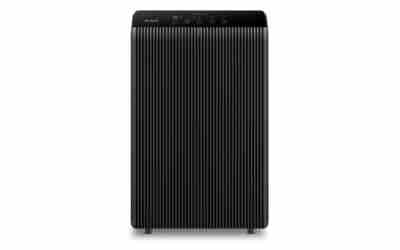
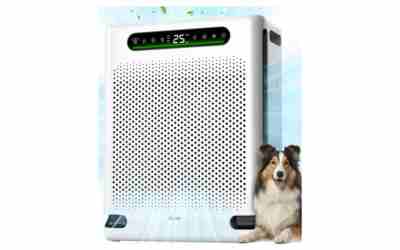
LEVOIT Vital 100S-P Air Purifier for Home, Pets, and Bedroom, Up to 1073 Sq Ft, HEPA Sleep Mode, Washable Pre-Filter, Smart Air Quality Monitor, White

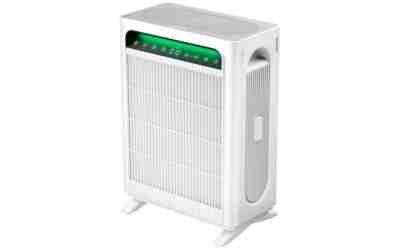
KNKA APH4000 Air Purifier for Home Bedroom, HEPA Sleep Mode Air Cleaner with Washable Pre-Filter, AHAM Verified, AQI Display, Pet Mode for Pet Dander, Dust & Pollen, Up to 1,695 Sq Ft, White

FreAire HAP605 Air Purifier for Large Rooms
As an Amazon Associate we earn from qualifying purchases. Product prices and availability are accurate as of the date/time indicated.
Frequently Asked Questions
Is it OK to leave an air purifier on 24/7?
Yes. Most purifiers are designed for continuous use, and low speed draws little power. Use the original cord, keep the vents clear and replace filters on schedule. Check your manual for manufacturer guidance, since runtime advice can vary by model.
How long does an air purifier take to clean a room?
At about 4 air changes per hour, expect roughly 1 to 2 hours on high to clear most particles after a dusty or smoky event. A unit too small for the room, or one on low speed, will take longer.
Do I need to keep windows closed while it runs?
Yes, in the room being cleaned. Open windows let in pollen, smoke and traffic particles faster than a portable unit can remove them. Brief ventilation is fine on clean-air days, but close up when outdoor AQI is above about 100.
Can I use a timer or smart plug to run it fewer hours?
You can, but many purifiers do not restart on their own after power is cut. Test yours first. If it works, schedule it for the hours you are home and asleep, and consider auto mode as a simpler way to save power.
{“@context”: “https://schema.org”, “@type”: “FAQPage”, “mainEntity”: [{“@type”: “Question”, “name”: “Is it OK to leave an air purifier on 24/7?”, “acceptedAnswer”: {“@type”: “Answer”, “text”: “Yes. Most purifiers are designed for continuous use, and low speed draws little power. Use the original cord, keep the vents clear and replace filters on schedule. Check your manual for manufacturer guidance, since runtime advice can vary by model.”}}, {“@type”: “Question”, “name”: “How long does an air purifier take to clean a room?”, “acceptedAnswer”: {“@type”: “Answer”, “text”: “At about 4 air changes per hour, expect roughly 1 to 2 hours on high to clear most particles after a dusty or smoky event. A unit too small for the room, or one on low speed, will take longer.”}}, {“@type”: “Question”, “name”: “Do I need to keep windows closed while it runs?”, “acceptedAnswer”: {“@type”: “Answer”, “text”: “Yes, in the room being cleaned. Open windows let in pollen, smoke and traffic particles faster than a portable unit can remove them. Brief ventilation is fine on clean-air days, but close up when outdoor AQI is above about 100.”}}, {“@type”: “Question”, “name”: “Can I use a timer or smart plug to run it fewer hours?”, “acceptedAnswer”: {“@type”: “Answer”, “text”: “You can, but many purifiers do not restart on their own after power is cut. Test yours first. If it works, schedule it for the hours you are home and asleep, and consider auto mode as a simpler way to save power.”}}]}