
Smart home gear has quietly gone from “nice to have” to something most new homeowners set up in their first month, mostly because it solves a problem that’s specific to just having moved: you don’t know your new house’s habits yet, and you probably don’t have a full set of physical keys made for everyone in the household. This guide covers what’s actually worth setting up early, and what can reasonably wait.
Start With the Entryway
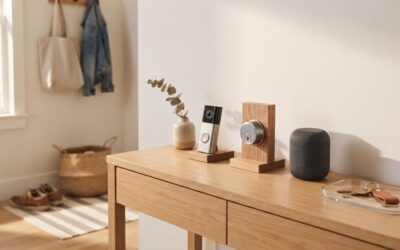
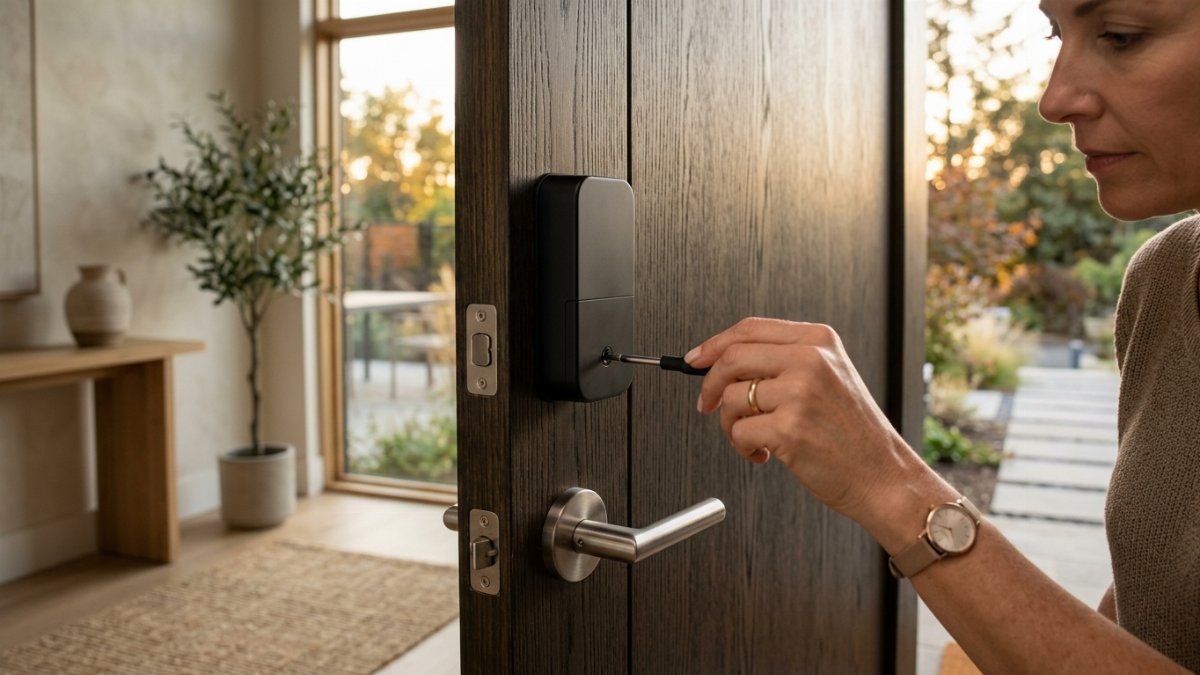
A video doorbell is the single highest-value smart home purchase for a new address, mainly because it’s the one device that’s useful on day one, before you’ve even finished unpacking – deliveries, contractors, and curious neighbors all show up before your boxes are gone. A smart lock is the natural second step, especially if you’re not fully sure how many copies of the old keys exist; rekeying a physical lock takes a locksmith, changing a smart lock’s code takes thirty seconds.
See our full Smart Home reviews for current picks on video doorbells and smart locks, including battery-only options for renters who can’t rewire anything.
Then Handle the Boring, High-Value Stuff
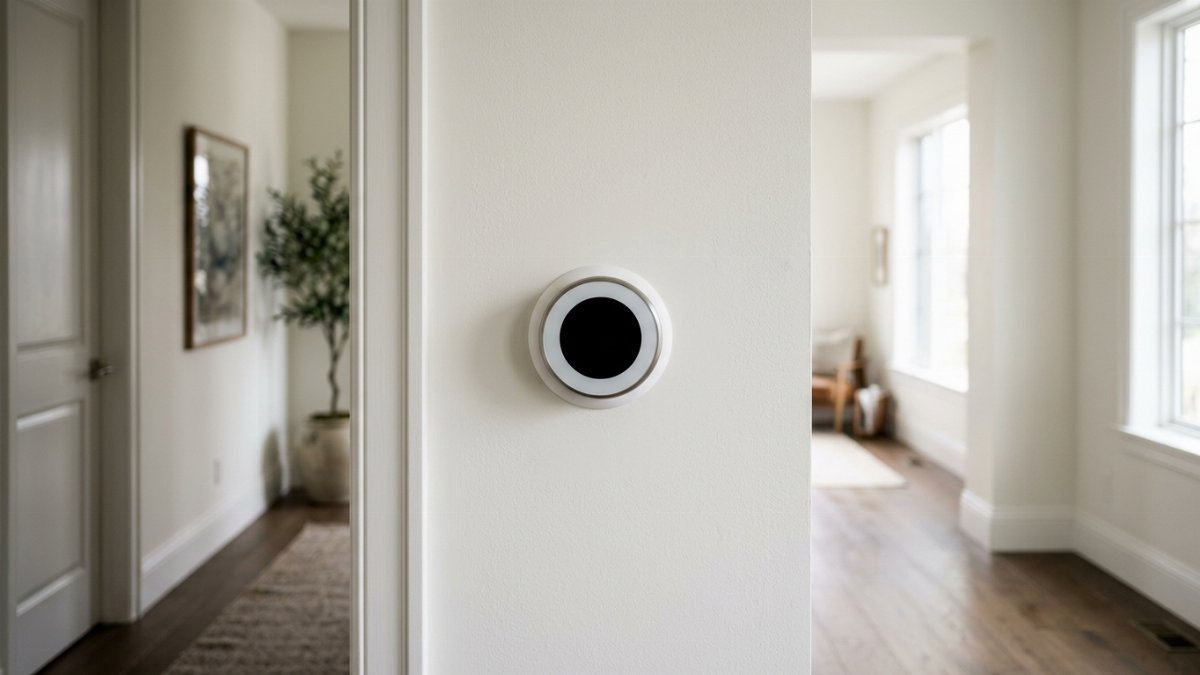
A smart thermostat isn’t exciting, but it’s one of the few smart home devices with a real payback period – most estimates put the energy savings at enough to cover the device cost within a year or two, and it’s especially worth prioritizing if you’ve moved into a house with an HVAC system you’ve never lived with before and don’t yet know its quirks. Smart plugs are the cheapest way to get partial “smart home” coverage across lamps, fans, and other devices that don’t have their own app.
What Can Wait
Full smart lighting systems, hub-based ecosystems, and whole-home audio are genuinely nice, but they’re also the easiest to get wrong when you’re rushing – the room layout of a new house changes what actually makes sense (a hallway sensor that makes sense in one floor plan is pointless in another). Give yourself a few weeks living in the space before committing to a bigger smart lighting or automation setup.
Frequently Asked Questions
Do I need a smart home hub to get started?
No. Most video doorbells, locks, and plugs work fine standalone through their own app. A hub becomes useful once you have several devices from different brands and want them to work together, which is usually a month-two problem, not a move-in-day one.
Can renters install smart home devices?
Battery-powered video doorbells and plug-in smart locks (or lock covers that go over the existing deadbolt) are designed specifically for renters – no wiring or drilling required, and most can be removed cleanly when you leave.
Is a smart thermostat worth it if I’m renting short-term?
It’s a harder case for a short lease, since you may not stick around long enough to recoup the cost, and not all landlords allow thermostat swaps. It’s a much easier “yes” for homeowners or long-term renters.
For the full new-home setup, see our complete New Homeowner Checklist.