
A vacuum whistling sound almost always means air is being forced through a small gap or past a blockage at high speed. The usual culprits are a full bin or bag, a clogged filter, a blocked hose, or a loose seal. You can find the cause in about 10 minutes with no tools.
Why does a vacuum whistle in the first place?
A vacuum moves a lot of air. When that air has to squeeze through a narrow opening, it speeds up and vibrates the edges of the opening, which makes a high-pitched tone. A kettle and a pinched balloon neck work the same way.
Two things create that narrow opening:
- A restriction: a clog or a packed filter leaves only a small path for air to get through.
- A leak: a crack, loose joint or unseated bin lets outside air get sucked in through a thin gap.
The motor often spins faster when airflow is restricted, which can raise the pitch and add heat. That is why a whistle is worth fixing instead of ignoring.
How can you tell a clog from a leak in 30 seconds?
Use this quick test before taking anything apart. Pay attention to how the pitch changes.
- Turn the vacuum on with the head lifted in the air. Listen.
- Set the nozzle on a hard floor or carpet. Does the whistle get louder, quieter or stop?
- Cover the end of the hose or nozzle with your palm for a second or two. Then release it.
If the whistle starts or gets louder when airflow is cut off, you likely have a restriction (clog, full bin, dirty filter). If the whistle is there with the nozzle open and the pitch changes when you press on a joint or the hose, you likely have a leak. Don’t keep the airway fully covered for more than a few seconds, since the motor can overheat.
Some vacuums have a bleed valve or suction-control slider that opens a small air gap on purpose. If the pitch changes when you slide it, that is normal for that model.
Symptom-to-cause cheat sheet
| What you notice | Most likely cause | First fix |
|---|---|---|
| Whistle plus weak suction | Full bin or bag, clogged filter or hose | Empty bin, check filters, test hose |
| Whistle only with one attachment | Blocked or narrow attachment, poor fit | Remove it and look through it; reseat it |
| Whistle only when the head is on carpet | Brush roll jammed, or too much seal on the floor | Cut away hair; adjust the height setting |
| Whistle gets worse when you bend the hose | Cracked hose or loose cuff | Inspect the hose for splits; reseat the ends |
| Whistle right after emptying the bin | Bin or filter not seated properly | Remove and reinstall the bin and filter |
| Whine or grinding, hot or burning smell | Failing motor bearing or belt | Stop using it; see the repair section below |
What to check, in order
Work through these steps and test the vacuum after each one. That way you know exactly what fixed it. Unplug the vacuum, or remove the battery on a cordless model, before you open anything.
- Empty the bin or replace the bag. A full bin or bag makes the motor work harder and cuts airflow. A bag that is the wrong type for your model can also restrict airflow, so check the manual for the bag style.
- Check and clean the filters. Most vacuums have a pre-motor filter, often foam or felt, and some also have a post-motor or HEPA filter. The filter just after the dirt container tends to clog worst. Tap out dust, rinse only if the manual says the filter is washable, and let it dry completely before reinstalling. Many makers say about 24 hours, but check yours.
- Test the hose for clogs. Detach the hose and look through it. For a flexible hose, a simple method is to drop a coin into one end. If it falls out the other end, the hose is clear. Push a broom handle gently through a stubborn clog. Never use metal tools near the motor.
- Check the wand and nozzle. Socks, paper, pet hair and small toys often lodge at the bend where the wand meets the head.
- Reattach parts one at a time. Connect the hose only, then add the wand, then the head, testing each time. When the whistle returns, the last part you added is the problem.
- Inspect seals and the bin seat. Look for debris on the rubber gasket, a cracked lid, or a bin that isn’t clicking fully into place. Wipe the seal and refit it.
- Clear the brush roll. Cut away wrapped hair and string with scissors. Spin the roll by hand. It should turn freely without grinding.
Fixes by vacuum type
Parts and seal locations differ a lot between designs, so your manual is the final word. These are the common trouble spots.
Upright vacuums
Check the hose where it connects to the base, the pivot point where the handle meets the head, and the belt cover. Uprights with a detachable hose have two seals to check: one at the base and one at the handle. If you are shopping for a replacement, our best vacuums roundup covers the main types.
Canister vacuums
The long hose and telescoping wand are the most common sources of clogs and leaks. Check the hose cuffs and the lid gasket on the canister. See our best canister vacuums if yours is past repair.
Stick and cordless vacuums
The dust cup needs to seal against the body. Debris on the rubber ring is a common cause of whistling, and so is a cup that is not fully latched. Clean the cyclone screen and the filter. If the battery is dying, the pitch may change or the motor may pulse. Compare options in our best cordless vacuums guide.
Robot vacuums
A whistle often comes from a full bin, a dirty filter, a tangled side brush or main roller, or a clogged intake path. Remove the bin, check the filter and clear the roller. Whether the intake path is user-accessible depends on the model. Our best robot vacuums list can help if you are replacing one.
Wet/dry shop vacs
Whistling often comes from a narrow hose or tool end. Lowering the motor speed on a variable-speed model, or switching to a wider nozzle, can help. Also check that the foam sleeve or cartridge filter is seated, and that the tank lid is latched.
When a whistle is dangerous, and when to replace the vacuum
A simple airflow whistle is usually not dangerous, but running with a blocked airway can overheat the motor. Stop using the vacuum if you notice any of the following:
- A burning smell or smoke
- A grinding, rattling or high-pitched whine that stays after you clean the filters and clear the hose
- Hot casing or a motor that cuts out
A steady airflow whistle that changes when you cover the nozzle is different from a bearing whine. A bearing whine usually rises and falls with motor speed and doesn’t change when you block or open the airway. That points to a worn bearing or failing motor.
Decision rule: if you have cleaned the bin, filters, hose and brush roll and the sound is still there, look up the cost of a replacement motor or service. Repair costs vary by brand and model. If the quote is close to half the price of a comparable new vacuum, replacing it usually makes more sense. If it is a stick or robot vacuum with a weak battery, a new battery may be cheaper than a new unit.
If you replace it, match the type to your floors and pets. Our guides to the best vacuum for pet hair and best vacuum for hardwood floors are good places to start.
Common mistakes that keep the whistle coming back
- Reinstalling a damp filter. It can restrict airflow and grow odors. Let it dry fully.
- Using the wrong bag. Generic bags that don’t fit can leak or restrict flow.
- Ignoring a small crack in the hose. Tape is a short-term patch at best. A replacement hose from the manufacturer is better.
- Vacuuming fine dust without a clean filter. Drywall dust, ash and flour clog filters fast. Use a vacuum rated for them.
- Running with the filter removed. This lets dust reach the motor and can shorten its life.
Set a routine: empty the bin when it is about two-thirds full, tap or rinse filters on the schedule in your manual, and cut hair off the brush roll as soon as you notice it.
Our Top Picks
Ready to shop? These are the top-rated options from our hands-on roundup, Best Cordless Vacuum For Pet Hair of 2026.

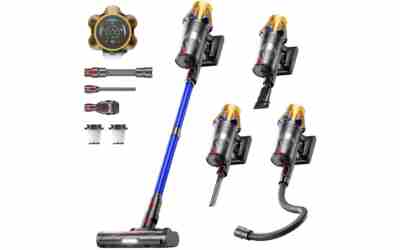
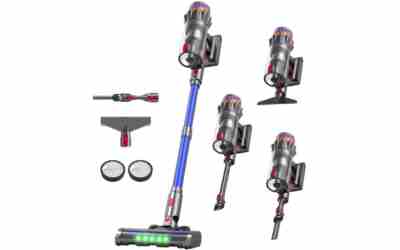
Bitybird Cordless Vacuum Cleaner 650W 60KPA 70Min Runtime with Anti-Tangle Brush and Flexible Hose

JELLYPIG Cordless Vacuum Cleaner 650W 55KPA 70Mins Self-Standing Touch Screen Anti-tangle for Home Pet Hair

Bissell PowerClean FurFinder Corded Stick Vacuum
As an Amazon Associate we earn from qualifying purchases. Product prices and availability are accurate as of the date/time indicated.
Frequently Asked Questions
Why does my vacuum whistle when I put it on the floor?
The nozzle may be sealing tightly against the floor and starving the airflow, or the brush roll area may be partly blocked. Raise the height setting, clear debris from the nozzle opening, and check that the brush roll spins freely.
Can a dirty filter make a vacuum whistle?
Yes. A packed filter restricts airflow, which can cause a strained whistle and weaker suction. Clean or replace it according to your manual, and let a washable filter dry completely before putting it back in.
Is a whistling vacuum about to break?
Not usually. Most whistles come from a clog or leak you can fix. But a burning smell, grinding or a whine that doesn’t change when you block the nozzle can mean motor or bearing trouble, so stop using it.
Why does my robot or cordless stick vacuum whistle?
Common causes are a full dust cup, a dirty filter, a tangled roller or side brush, or a dust cup that is not sealed. Empty it, clean the filter, clear the brush and reseat the cup.
{“@context”: “https://schema.org”, “@type”: “FAQPage”, “mainEntity”: [{“@type”: “Question”, “name”: “Why does my vacuum whistle when I put it on the floor?”, “acceptedAnswer”: {“@type”: “Answer”, “text”: “The nozzle may be sealing tightly against the floor and starving the airflow, or the brush roll area may be partly blocked. Raise the height setting, clear debris from the nozzle opening, and check that the brush roll spins freely.”}}, {“@type”: “Question”, “name”: “Can a dirty filter make a vacuum whistle?”, “acceptedAnswer”: {“@type”: “Answer”, “text”: “Yes. A packed filter restricts airflow, which can cause a strained whistle and weaker suction. Clean or replace it according to your manual, and let a washable filter dry completely before putting it back in.”}}, {“@type”: “Question”, “name”: “Is a whistling vacuum about to break?”, “acceptedAnswer”: {“@type”: “Answer”, “text”: “Not usually. Most whistles come from a clog or leak you can fix. But a burning smell, grinding or a whine that doesn’t change when you block the nozzle can mean motor or bearing trouble, so stop using it.”}}, {“@type”: “Question”, “name”: “Why does my robot or cordless stick vacuum whistle?”, “acceptedAnswer”: {“@type”: “Answer”, “text”: “Common causes are a full dust cup, a dirty filter, a tangled roller or side brush, or a dust cup that is not sealed. Empty it, clean the filter, clear the brush and reseat the cup.”}}]}