A vacuum cord gets hot when it is coiled, overloaded by a thin extension cord, strained by clogged airflow or damaged inside, and if you can’t comfortably hold the cord or plug for five seconds, you should unplug the vacuum and run the checks below.
Is a warm vacuum cord normal, or a fire risk?
Some warmth is normal. Current heats any cord a little, and a typical household vacuum draws roughly 8 to 12 amps; the label on your model gives the exact figure. A cord that feels slightly warm but comfortable to hold is usually fine.
Rule of thumb: if you can keep your hand on the cord or plug for five seconds, finish the job and then review the causes below. If you can’t, unplug it.
| What you notice | What it usually means | What to do |
|---|---|---|
| Slightly warm, comfortable to hold | Normal load | Keep vacuuming; make sure the cord is fully unwound |
| Too hot to hold for five seconds | Coiled cord, thin extension cord, restricted airflow or a poor connection | Unplug, let it cool, run the checks below |
| Burning smell, soft or melted plastic | Overheated insulation | Unplug; see the repair section |
| Sparks, crackling, flickering power or a tripped breaker | Damaged wiring or a faulty connection | Unplug; see the repair section |
| Cracked, frayed or exposed wire | Physical damage | See the repair section |
Safety: follow the manual or label for your vacuum’s cord and amp rating. If the cord smells of burning or shows melting, sparks or exposed wire, stop using it until it is repaired or replaced.
Why a vacuum cord gets hot: causes and quick tests
These are listed from most to least likely. Each has a fast test and a fix.
1. The cord is coiled or bunched
Many vacuum manuals tell owners to pull the cord out to the marked line or sticker before running, because wound-up cord traps heat. Test: feel the cord where it is looped or still on the hook. Fix: unwind it fully and keep it from piling up under the vacuum.
2. An undersized or long extension cord
A thin or very long cord adds resistance, and resistance turns into heat. Test: plug the vacuum straight into a wall outlet. If the heat disappears, the extension cord was the cause. Details are in the next section.
3. Clogged airflow straining the motor
A full bin, clogged filter, blocked hose or hair-wrapped brush roll can strain the motor and trigger the thermal cutoff that many vacuums have. Test: weak suction, hot exhaust air or a sudden shutoff. Fix: empty the bin, clean or replace the filter as your manual directs, and clear the hose and brush roll. After a shutoff, unplug the vacuum and let it cool; follow the manual, as many say about 30 minutes.
4. A damaged cord or worn plug
Yanking a cord from across the room can break the wires inside while the outer jacket looks fine. The damage often sits just behind the plug. Test: with the vacuum unplugged, look for cracks, kinks, discoloration, bent prongs or a loose-feeling plug. Fix: see the repair section.
5. A worn or loose outlet
If the plug is hot but the cord stays cool, or the outlet cover feels warm or looks scorched, the outlet contacts may be the problem. Test: try an outlet on a different circuit. Fix: if the outlet is discolored, loose or hot on its own, have a licensed electrician inspect it.
What extension cord gauge should I use with a vacuum?
Plug directly into the wall whenever you can. If you must use an extension cord, pick one that is grounded (3-prong), made for indoor use, and labeled for at least your vacuum’s amps. Find the amps on the vacuum’s rating label. If it lists only watts, divide by 120 volts.
A lower AWG number means a thicker wire. As an approximate rule of thumb for a vacuum drawing about 10 amps: 16 AWG for cords up to about 25 feet, 14 AWG up to about 50 feet, and 12 AWG for 100 feet. The rating printed on the cord always wins.
Worked example (estimate): a vacuum labeled 1,200 watts at 120 volts draws 1,200 ÷ 120 = 10 amps. Method: typical copper resistance of 4.0, 2.5 and 1.6 ohms per 1,000 feet for 16, 14 and 12 AWG, counting the round trip (twice the cord length). Voltage lost is amps × ohms, and heat is amps² × ohms.
| Extension cord | Voltage lost in cord | Heat in cord |
|---|---|---|
| 25 ft, 16 AWG | about 2 V | about 20 W |
| 100 ft, 16 AWG | about 8 V | about 80 W |
| 100 ft, 14 AWG | about 5 V | about 50 W |
| 100 ft, 12 AWG | about 3 V | about 32 W |
In plain terms, 100 feet of 16 AWG is the worst case in this table, wasting about 80 watts as heat. These figures are approximate and real cords vary. That heat is spread along the cord, but if the cord is bunched or coiled, it has nowhere to go. Avoid daisy-chaining extension cords or running a vacuum through a power strip, and unwind cord reels completely.
How to check and fix a hot vacuum cord
- Unplug the vacuum and let it cool.
- Inspect the whole cord and plug for cracks, melted or discolored spots, bent prongs or exposed wire. If you find any, skip to the repair section.
- Unwind the cord to the marked line, and take off any extension cord.
- Clear airflow: empty the bin or bag, clean or replace the filter per the manual, and check the hose and brush roll for clogs and tangled hair.
- Plug directly into a wall outlet, ideally one not shared with a space heater or other heavy appliance. Run the vacuum for a few minutes, then feel the plug and cord.
- If it still fails the five-second hold test, unplug it and try an outlet on a different circuit. If it is hot there too, the vacuum is at fault; if not, have the first outlet checked.
Common mistake: pulling the plug out by the cord. Grab the plug itself, since yanking the cord strains the wires inside and can create hidden damage that causes heat later.
Should I repair the cord, replace it, or buy a new vacuum?
- Heat went away after uncoiling, cleaning or removing the extension cord: keep using it, with the cord fully unwound.
- Any cut, crack, melted spot or exposed wire: the cord needs replacing.
- Plug is discolored, loose or smells burnt: the plug or cord needs replacing.
- Still hot with a clean filter, direct outlet and fully unwound cord: the motor or internal wiring may be at fault. Have it serviced or replace the vacuum.
- Repeated thermal shutoffs even after cleaning: same answer, as this points to a motor problem.
For a replacement cord, order the part made for your model from the manufacturer and have an authorized service center fit it. Many cords are sealed or wired inside the housing, so follow your manual. Don’t splice or rewire a vacuum cord yourself, and don’t tape over damage.
Rule of thumb: if a repair quote is more than about half the price of a comparable new vacuum, replace it. When you shop, check the amp rating and cord length on the label, and compare models in our best vacuums guide.
Our Top Picks
Ready to shop? These are the top-rated options from our hands-on roundup, Best Cordless Vacuum For Pet Hair of 2026.

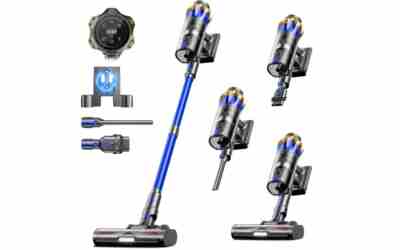
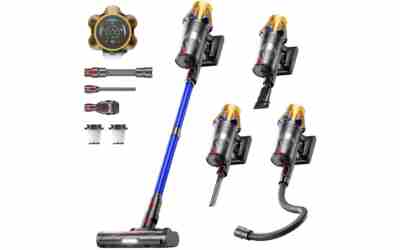
Bitybird Cordless Vacuum Cleaner 650W 60KPA 70Min Runtime with Anti-Tangle Brush and Flexible Hose

JELLYPIG Cordless Vacuum Cleaner 650W 55KPA 70Mins Self-Standing Touch Screen Anti-tangle for Home Pet Hair

Bissell PowerClean FurFinder Corded Stick Vacuum
As an Amazon Associate we earn from qualifying purchases. Product prices and availability are accurate as of the date/time indicated.
Related reading: The Best Chamber Vacuum Sealers of 2026 · Spacesaver Jumbo Vacuum Storage Bags Review 2026
Frequently Asked Questions
Can I use an extension cord with my vacuum?
Yes, if it is grounded, rated for indoor use and labeled for at least your vacuum’s amps. Keep it as short as possible, use a thicker gauge for longer runs, and never chain cords together. Plugging straight into the wall is best.
Why does my vacuum keep shutting off from overheating?
Most vacuums have a thermal protector that cuts power when the motor gets too hot, often from a clogged filter, full bin or blocked hose. Unplug it, clean those parts, and let it cool as your manual directs. If it keeps happening, the motor may need service.
The plug is hot but the cord is cool. What does that mean?
It points to a poor connection at the plug or outlet, such as loose contacts or worn outlet slots. Unplug it, try an outlet on another circuit, and inspect the prongs. If the outlet is also hot or scorched, call an electrician.
Can I replace a vacuum power cord myself?
Only if your manual says the cord is user-replaceable, and then only with the manufacturer’s part for your model. Otherwise use an authorized service center, and don’t open the housing to rewire it.
Is it okay to plug a vacuum into a power strip?
It is best avoided. A vacuum is a high-draw appliance, and a strip has its own rating that may be lower than the vacuum’s. If you must, check the strip’s label against your vacuum’s amps, or use a wall outlet instead.
Does a hotter cord mean my vacuum is more powerful?
No. Heat comes from the current the cord carries and how well it can shed that heat, not from suction strength. A coiled cord can run hot on any vacuum, so compare the amp rating on the label instead.
{“@context”: “https://schema.org”, “@type”: “FAQPage”, “mainEntity”: [{“@type”: “Question”, “name”: “Can I use an extension cord with my vacuum?”, “acceptedAnswer”: {“@type”: “Answer”, “text”: “Yes, if it is grounded, rated for indoor use and labeled for at least your vacuum’s amps. Keep it as short as possible, use a thicker gauge for longer runs, and never chain cords together. Plugging straight into the wall is best.”}}, {“@type”: “Question”, “name”: “Why does my vacuum keep shutting off from overheating?”, “acceptedAnswer”: {“@type”: “Answer”, “text”: “Most vacuums have a thermal protector that cuts power when the motor gets too hot, often from a clogged filter, full bin or blocked hose. Unplug it, clean those parts, and let it cool as your manual directs. If it keeps happening, the motor may need service.”}}, {“@type”: “Question”, “name”: “The plug is hot but the cord is cool. What does that mean?”, “acceptedAnswer”: {“@type”: “Answer”, “text”: “It points to a poor connection at the plug or outlet, such as loose contacts or worn outlet slots. Unplug it, try an outlet on another circuit, and inspect the prongs. If the outlet is also hot or scorched, call an electrician.”}}, {“@type”: “Question”, “name”: “Can I replace a vacuum power cord myself?”, “acceptedAnswer”: {“@type”: “Answer”, “text”: “Only if your manual says the cord is user-replaceable, and then only with the manufacturer’s part for your model. Otherwise use an authorized service center, and don’t open the housing to rewire it.”}}, {“@type”: “Question”, “name”: “Is it okay to plug a vacuum into a power strip?”, “acceptedAnswer”: {“@type”: “Answer”, “text”: “It is best avoided. A vacuum is a high-draw appliance, and a strip has its own rating that may be lower than the vacuum’s. If you must, check the strip’s label against your vacuum’s amps, or use a wall outlet instead.”}}, {“@type”: “Question”, “name”: “Does a hotter cord mean my vacuum is more powerful?”, “acceptedAnswer”: {“@type”: “Answer”, “text”: “No. Heat comes from the current the cord carries and how well it can shed that heat, not from suction strength. A coiled cord can run hot on any vacuum, so compare the amp rating on the label instead.”}}]}