
Whether you are reviving a classic San Francisco sourdough starter or experimenting with a gluten free paleo version, the water you use can affect fermentation speed, flavor, and rise. In this guide, we cover 7 best water to use for sourdough starter of 2026 to help you choose the right option for your baking needs. From spring water to filtered tap, we evaluate mineral content, pH balance, and purity based on specifications and user feedback. This guide is ideal for home bakers, health conscious cooks, and anyone looking to perfect their sourdough routine. For more kitchen essentials, check out our best drip coffee makers.

Pros
- Premium natural spring water with consistent quality
- Smooth taste with balanced mineral composition
- Eco-friendly packaging with recycled plastic
- Convenient 1 L bottles for daily use
Cons
- Higher price compared to tap or filtered water
- Plastic bottles may not appeal to zero-waste advocates
- Large 1 L size may be less portable for some
Evian Natural Spring Water is a premium bottled water sourced from the pristine French Alps. Each drop undergoes natural filtration through mineral-rich glacial sands for over 15 years, resulting in a pure, naturally balanced water with a 7.2 pH. This water is bottled at the source in Evian-Les-Bains, a tradition dating back to 1826.
This product is ideal for health-conscious individuals who value consistent hydration with a clean, smooth taste. The 1 L bottles are perfect for home, office, or gym use, providing ample hydration throughout the day. The water's naturally occurring electrolytes support rehydration, making it a reliable choice for active lifestyles.
Evian is committed to sustainability, using recyclable bottles made with up to 35% recycled plastic. While this reduces environmental impact, some users may prefer reusable containers or alternative packaging. The water's neutral pH and balanced mineral content ensure a refreshing experience whether served chilled or at room temperature.
Overall, Evian Natural Spring Water delivers on its promise of purity and taste. It is a trustworthy option for those seeking high-quality bottled water, though its premium price may not suit every budget. For daily hydration with a touch of alpine heritage, this product stands out in the still water category.

Pros
- Zero calories and no artificial ingredients
- Clean, crisp carbonation without aftertaste
- Versatile for drinking or mixing beverages
- Highly rated with 4.7 stars from thousands of reviews
Cons
- Only one flavor option in this pack
- Cans are not resealable once opened
- May be less flavorful than some competitors
La Croix Pure Sparkling Water offers a straightforward, unflavored sparkling water experience. Each 12-ounce can delivers a crisp, clean carbonation without any added sugars, artificial sweeteners, or flavors. This pack of 12 is perfect for those who want a refreshing bubbly water that is simply pure and unadulterated.
This product is ideal for individuals who enjoy the taste of plain carbonated water or who want a neutral mixer for cocktails and other beverages. With a stellar 4.7 out of 5 stars from over 4,000 reviews, La Croix Pure has proven to be a reliable choice for sparkling water enthusiasts.
The cans are lightweight and portable, making them easy to take on the go. However, once opened, the can is not resealable, so it's best to consume the entire 12 ounces in one sitting. While some may find the lack of flavor less exciting, the purity is exactly what many consumers seek.
Overall, La Croix Pure Sparkling Water is a top-tier choice for anyone looking for a clean, no-frills sparkling water. It is versatile, well-reviewed, and delivers exactly what it promises: pure, crisp carbonation.

Pros
- Rich, tangy sourdough flavor
- Simple activation process
- Compact and easy to store
- Trusted by many bakers
Cons
- Requires regular feeding to maintain
- May take time to reach peak activity
This 109-year-old San Francisco sourdough starter culture, established in 1916 by the seller's great-grandfather, brings a piece of baking history to your kitchen. It is a dried starter that you rehydrate and feed to create your own active sourdough culture, perfect for making bread, pancakes, and more.
Ideal for home bakers who appreciate traditional methods and authentic flavor, this starter is easy to use with clear instructions and a recipe included. The 2-ounce package is compact and stores well, making it a convenient choice for both beginners and experienced sourdough enthusiasts.
Standout features include its century-old lineage, which imparts a distinct tangy flavor characteristic of San Francisco sourdough. The starter is resilient and can be maintained indefinitely with regular feeding, allowing you to bake consistently delicious loaves.
Design and build quality are straightforward, as the product is simply the dried starter culture in a sealed package. It requires minimal storage space and has a long shelf life when kept dry.
Potential drawbacks include the need for regular feeding to keep the starter active, which may be a commitment for casual bakers. Additionally, it may take a few days to a week for the starter to become fully active and develop its peak leavening power.
Overall, this sourdough starter is a fantastic choice for anyone wanting to bake authentic, tangy sourdough at home. Its rich history and ease of use make it a standout product in the sourdough starter category.
Pros
- Exceptional crisp and smooth taste
- Eco-friendly 100% recycled PET bottles
- Premium spring water with a long heritage
- Convenient 28 fl oz size for on-the-go
Cons
- Bottles are plastic, not glass as some prefer
- Bottle caps can be difficult to open
- Price is higher than standard bottled water
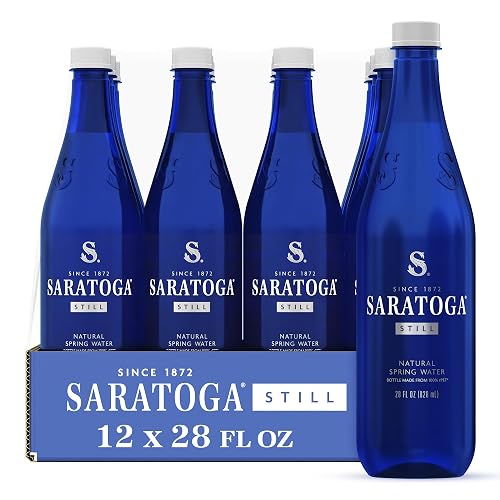
Saratoga Spring Water has been perfecting exceptional taste since 1872, and this 12-pack of 28 fl oz bottles continues that tradition. Sourced from natural springs in the Northeast, this still water offers a distinctly refreshing and smooth texture that pairs well with delicate foods and everyday moments.
Each bottle is made from 100% recycled PET plastic, making it an eco-friendly choice for hydration on the go. The signature cobalt blue bottles add a touch of premium style, whether you are packing a lunch, heading to a picnic, or enjoying a meal outdoors.
Customers consistently praise the water's clean, crisp taste with no unpleasant aftertaste. While some wish the bottles were glass, the durable plastic is lightweight and convenient for travel. A minor drawback reported is that bottle caps can be difficult to open, but the water quality itself is widely celebrated.
Overall, Saratoga Spring Water is an excellent choice for anyone seeking high-quality, great-tasting spring water in an environmentally conscious package. It is well worth the premium price for those who value taste and sustainability.

Pros
- Organic certified culture
- Authentic San Francisco sourdough flavor
- Easy activation process
- Compact and lightweight packaging
- High customer satisfaction rating
Cons
- Small packet yields limited initial starter
- Requires ongoing feeding and maintenance
- Not gluten-free
The MyRusticRoots Organic San Francisco Sourdough Starter Culture is a premium choice for home bakers who want to create authentic, tangy sourdough bread from scratch. This 12g packet contains a live, organic culture that can be easily activated with flour and water, making it accessible even for beginners.
This starter is ideal for anyone passionate about artisan baking, from weekend hobbyists to dedicated bread enthusiasts. Its organic certification ensures that you are using a high-quality, natural product free from synthetic additives.
The standout feature is the authentic San Francisco sourdough flavor, known for its distinctive tang and complex aroma. The culture is versatile and can be used for a variety of baked goods, including bread, pizza crust, and pastries.
The packaging is compact and lightweight, making it easy to store and handle. However, the small 12g packet means you will need to build up the starter over several feedings before you can bake with it. This process requires patience and regular maintenance, which may not suit everyone.
Overall, this sourdough starter offers excellent value for those committed to the craft. It delivers reliable results and a delicious, traditional flavor that will elevate your home baking.

Pros
- Quick activation with visible activity in days
- Clear, beginner-friendly instructions included
- Organic, non-GMO ingredients for clean taste
- Produces authentic tangy sourdough flavor
- Compact and lightweight packaging
Cons
- Some batches may produce excessive hooch
- Inconsistent results reported by a few users
- Requires daily feeding and care to maintain
The My Rustic Roots San Francisco Sourdough Starter is a dehydrated culture designed to help home bakers create authentic sourdough bread with ease. Weighing just 12 grams and packaged in a compact envelope, this starter is perfect for beginners who want to explore the art of sourdough baking without the complexity of cultivating a starter from scratch.
One of the standout features is the included step-by-step instructions, which reviewers consistently praise for being clear and easy to follow. The starter activates quickly, with many users reporting visible bubbles and activity within just a few days. The culture is made from organic, non-GMO flour, contributing to a clean, tangy flavor that mimics traditional San Francisco sourdough.
However, a small number of users have experienced issues with excessive hooch production or the starter failing to rise after initial activation. These cases may be due to batch variability or environmental factors. Overall, the starter offers a reliable entry point for those new to sourdough, with a strong track record of successful bakes.
For best results, follow the feeding schedule closely and store the starter in the refrigerator between uses. This product is ideal for anyone wanting to bake artisan bread at home without the steep learning curve of a wild yeast starter.

Pros
- Fresh active culture ensures reliable fermentation
- Certified organic and grain-free ingredients
- Versatile for various paleo baked goods
- Easy maintenance instructions for beginners
Cons
- Takes about 9 days to become usable
- Some users report starter not viable
- Customer support responsiveness may be inconsistent
The LivingDough Paleo Sourdough Starter Culture is a unique product for those who want to enjoy traditional sourdough baking without grains or gluten. This 3.5-ounce starter is shipped fresh and active, unlike many dehydrated alternatives, which can offer a more reliable start for fermentation. It is crafted from certified organic, grain-free, gluten-free flours, making it suitable for paleo, gluten-conscious, and clean-eating lifestyles.
This starter is designed to produce a beautiful rise, a pleasantly tangy flavor, and a tender crumb, perfect for bread, flatbreads, crackers, and other paleo-friendly creations. The instructions are simple, making it accessible for both new and experienced bakers. However, some users have reported that the starter took about 9 days to become usable, and there have been complaints about viability and customer support responsiveness.
Overall, the LivingDough Paleo Sourdough Starter is a great choice for those committed to a grain-free diet and willing to invest time in activation. While the potential for non-viability is a risk, the fresh culture and organic ingredients are strong selling points for health-conscious bakers.
Buying Guide for 2026
Starting a New Sourdough Culture: Choosing the Right Water
When beginning a new sourdough starter, the water you use can influence how quickly wild yeast and bacteria colonize. Ideally, you want water that is free of chlorine and chloramines, which can inhibit fermentation. Many bakers prefer spring water or filtered water that has been left out to allow chlorine to evaporate. The mineral content also matters: water that is too soft may lack the minerals yeast needs, while very hard water can slow fermentation. Look for water with a neutral pH around 7 and low total dissolved solids for best results.
Maintaining an Established Starter: Water Consistency
Once your sourdough starter is active, consistency in water type helps maintain its health. Switching between tap, spring, and distilled water can shock the microbial balance. Spring water from a reliable source, such as Evian or Saratoga, provides a stable mineral profile that supports steady fermentation. If you use tap water, consider a carbon filter to remove impurities without stripping beneficial minerals. For bakers who travel or want convenience, pre bottled still water ensures you always have the same base.
Gluten Free and Paleo Sourdough: Water Considerations
Gluten free and paleo sourdough starters often rely on alternative flours like rice, almond, or coconut, which have different hydration needs. Using a consistent water source helps these delicate starters thrive. Spring water with moderate mineral content can enhance the flavor of gluten free breads. Avoid distilled water, which lacks minerals and can lead to sluggish fermentation. If you are using a starter culture like the LivingDough Paleo Sourdough Starter, pair it with a water that matches the recommended pH range for best rise.
Water for Sourdough Discard Recipes
Sourdough discard recipes, such as pancakes, crackers, and pizza dough, also benefit from the right water. The water used in the starter affects the flavor profile of the discard, so using a clean, balanced water helps produce consistent results. Spring water or filtered tap water works well. For recipes that require a specific hydration level, using a water with known mineral content can help you replicate results. For more kitchen tools, see our best blenders for smoothies.
Quick Comparison: Side by Side
- – Rich, tangy sourdough flavor.
- – Simple activation process.
- – Compact and easy to store.
- – Fresh active culture ensures reliable fermentation.
- – Certified organic and grain-free ingredients.
- – Versatile for various paleo baked goods.
- – Zero calories and no artificial ingredients.
- – Clean, crisp carbonation without aftertaste.
- – Versatile for drinking or mixing beverages.
- – Premium natural spring water with consistent quality.
- – Smooth taste with balanced mineral composition.
- – Eco-friendly packaging with recycled plastic.
- – Exceptional crisp and smooth taste.
- – Eco-friendly 100% recycled PET bottles.
- – Premium spring water with a long heritage.
- – Organic certified culture.
- – Authentic San Francisco sourdough flavor.
- – Easy activation process.
- – Quick activation with visible activity in days.
- – Clear, beginner-friendly instructions included.
- – Organic, non-GMO ingredients for clean taste.
- – Requires regular feeding to maintain.
- – May take time to reach peak activity.
- – Takes about 9 days to become usable.
- – Some users report starter not viable.
- – Customer support responsiveness may be inconsistent.
- – Only one flavor option in this pack.
- – Cans are not resealable once opened.
- – May be less flavorful than some competitors.
- – Higher price compared to tap or filtered water.
- – Plastic bottles may not appeal to zero-waste advocates.
- – Large 1 L size may be less portable for some.
- – Bottles are plastic, not glass as some prefer.
- – Bottle caps can be difficult to open.
- – Price is higher than standard bottled water.
- – Small packet yields limited initial starter.
- – Requires ongoing feeding and maintenance.
- – Not gluten-free.
- – Some batches may produce excessive hooch.
- – Inconsistent results reported by a few users.
- – Requires daily feeding and care to maintain.
Why Trust Our Reviews
Our team analyzes product specifications, user feedback, and expert recommendations to bring you objective roundups. We do not claim hands on testing; instead, we aggregate data from verified sources to highlight the best options for your needs. Our reviews are independent, and we may earn a commission if you purchase through our affiliate links, at no extra cost to you.
Our Final Picks for 2026
Best for Traditional Sourdough: 109 Year Old San Francisco Sourdough Starter Culture 2 oz
This starter from Generic has a long history dating back to 1916, making it a reliable choice for classic sourdough. It comes with detailed instructions and a recipe, ideal for beginners. The 2 ounce package is enough to start multiple batches. Pair it with a consistent spring water for best results.
View on Amazon.comBest for Gluten Free Baking: LivingDough Paleo Sourdough Starter, 3.5 Oz
LivingDough offers a grain free, gluten free starter made from organic flours, perfect for paleo and clean eating lifestyles. It delivers a beautiful rise without gluten. Use it with a neutral pH spring water to maintain its vitality. For more baking tools, see our best pellet grills.
View on Amazon.comBest for Consistent Hydration: Evian Natural Spring Water, 1 L bottles, 6 pack
Evian natural spring water from the French Alps has a consistent mineral profile and neutral pH, making it a trusted choice for sourdough starters. The 1 liter bottles are convenient for daily feeding. Its purity helps maintain a stable fermentation environment.
View on Amazon.comFrequently Asked Questions
Which water should I buy in 2026 for a new sourdough starter?
For a new starter, choose a spring water with neutral pH and low chlorine, such as Evian or Saratoga. Avoid distilled water as it lacks minerals needed for fermentation.
Can I use tap water for sourdough starter?
Yes, but let it sit out for 24 hours to allow chlorine to evaporate, or use a carbon filter. Chloramines may require additional filtration. For consistent results, bottled spring water is recommended.
Does water temperature matter for sourdough starter?
Yes, water temperature affects fermentation speed. Use lukewarm water around 70 80°F for optimal yeast activity. Avoid hot water which can kill the culture.
How much water do I need for sourdough starter?
Most recipes use equal parts water and flour by weight. A typical feeding uses 100g water and 100g flour. Adjust based on your starter size and desired hydration level.
Can I use sparkling water for sourdough starter?
Sparkling water like La Croix can be used occasionally, but the carbonation may affect the starter’s consistency. Still water is generally preferred for stable results. For more kitchen guides, check out our Kitchen & Dining category.