Yes, you can use a blender as a juicer, but only if you strain it. A blender pulverizes everything, so on its own you get a smoothie. Blend the produce with a little water, then pour it through a nut milk bag or fine-mesh strainer to remove the pulp. Here are the steps, the best produce, and when a real juicer is worth buying.
Can you use a blender as a juicer?
Yes, with one extra step. A juicer separates juice from pulp as it works. A blender does not: its blades chop the whole fruit or vegetable into a thick puree. To turn that puree into juice, you strain the pulp out afterward.
The result is closer to juice than a smoothie, but it is not identical to juicer output. Expect a cloudier, slightly thicker drink with some fine sediment, and expect water in it, because most blenders need added liquid to run.
One fiber note: if you strain thoroughly, most of the fiber goes into the pulp you discard. If you strain loosely or skip it, you keep more fiber and end up with a smoothie. Neither is automatically better for you; it depends on what you want to drink.
How to make juice in a blender, step by step
You need a blender, a large bowl or pitcher, and a strainer. A nut milk bag is the least messy option. A fine-mesh strainer or cheesecloth also works.
- Wash the produce. Rinse under running water and scrub firm skins (cucumbers, apples, carrots) with a produce brush.
- Prep it. Remove pits, apple cores and seeds, stems, and thick rinds. Peel citrus, including the bitter white pith. Chop everything into pieces about 1 inch or smaller.
- Add liquid first. A workable starting point is 1/2 cup cold water per 4 cups of chopped produce. This is a starting ratio, not a tested yield; juicy produce needs less and dense produce needs more.
- Add the produce and blend. Blend until no chunks remain. If the blades spin without pulling the food down, stop, and add water 1/4 cup at a time.
- Set up the strainer. Hold a nut milk bag open over the bowl, or line a fine-mesh strainer with a double layer of cheesecloth.
- Pour and squeeze. Pour in the blended mix, then squeeze the bag or press the pulp with a spoon to get the liquid out.
- Taste and adjust. Add a little water if it is too thick or too strong, and serve over ice.
Safety: Do not overfill the jar past the max line, and never blend hot liquids in a sealed blender. Unplug the base before reaching near the blades.
Which fruits and vegetables work best in a blender?
Juicy, soft produce strains easily. Dense or fibrous produce needs more water, more blending power and more squeezing. How hard a vegetable is on your blender depends on the model, so check your manual for limits on hard ingredients.
| Produce | Difficulty | Tip |
|---|---|---|
| Watermelon, cucumber | Easy | Little or no added water needed; remove watermelon seeds if your blender leaves them in pieces. |
| Oranges, grapefruit (peeled) | Easy to medium | Remove peel, pith and seeds, or the juice turns bitter. |
| Pineapple, grapes | Easy | Cut pineapple core out if it is tough. |
| Spinach, kale, other greens | Medium | Blend with cucumber or apple and water; strain well, since the pulp is fibrous. |
| Celery | Medium | Cut small and blend longer; strings pass through weak strainers, so use a bag. |
| Apples, pears | Medium | Remove cores and seeds. Add lemon juice to slow browning. |
| Carrots, beets | Hard | Chop small, add extra water, and use a strong blender. Scrape and re-blend if it stalls. |
| Ginger | Hard | Use a small piece, sliced thin, as a flavor add-in rather than a base. |
A mix works well: pair a hard vegetable with something watery, like carrot with orange, so the blender has liquid to work with.
Blender juice vs juicer juice: what actually differs
The main differences are fiber, texture, yield and effort. We have not run side-by-side yield tests, so the table sticks to how the two methods work rather than specific percentages.
| Blender + strainer | Juicer | |
|---|---|---|
| Fiber | Depends on how well you strain; most pulp is removed if you squeeze it through a bag | Most fiber is separated out into the pulp bin |
| Texture | Cloudier, can be thicker, may be foamy or gritty | Usually thinner and smoother |
| Yield | Diluted by added water; some juice stays trapped in the pulp unless you squeeze hard | Machine presses or spins out juice; amount varies by model and produce |
| Effort | Chop, blend, then hand-squeeze | Feed produce, often with less chopping |
| Cleanup | Jar, lid, blade, bag, bowl | Several parts and a mesh screen, which can be slow to scrub |
| Extra cost | A strainer or nut milk bag, if you do not already own one | The cost of the appliance |
Choose the blender method if you juice occasionally, mostly use soft fruit or cucumber, and do not want another appliance taking up cabinet space.
Choose a juicer if you want juice often, especially from carrots, beets, celery or leafy greens, and you do not want to squeeze bags by hand.
Does blender power matter for juicing?
Yes, mainly for hard vegetables. A high-powered blender produces a smoother blend, which strains more easily and leaves less grit. A standard blender can handle soft fruit and cucumber, but may leave bits in carrots, kale or celery that you will need to strain twice. Motor power is only part of it: jar shape and blade design matter, so check what the manufacturer says about hard ingredients.
If you are shopping, our best blenders roundup covers general options. For a high-wattage example, see our nutribullet Pro+ Blender 1200W review.
Common mistakes
- Skipping the water, then forcing a stalled blender and straining its motor.
- Leaving in seeds, pits or peels, which add bitterness and a gritty texture.
- Overfilling the jar with dense chunks.
- Using a coarse strainer for fibrous greens and expecting smooth juice.
- Making a big batch you cannot drink fresh.
Cleanup, leftover pulp and how long the juice keeps
Rinse the jar and blade assembly right after pouring, before pulp dries on. Turn the nut milk bag inside out under running water, scrub it with a little dish soap, and let it air dry fully so it does not smell.
Do not toss the pulp if you do not have to. It can go into compost, soup stock, or baked goods like muffins and crackers. Avoid cooking with pulp from heavily bitter peels or pith.
Storage: Homemade juice is unpasteurized, so treat it like a perishable food. The FDA advises keeping refrigerated foods at 40°F or below. Drink the juice right away when you can. If you save some, pour it into a clean, sealed container filled close to the top to limit air contact, refrigerate it promptly, and plan to finish it within about a day. Exact safe times vary with the produce and your kitchen hygiene. Throw it out if it smells sour, fizzes or looks off.
Food safety: Wash produce thoroughly, since raw juice has no kill step for bacteria. The FDA warns that unpasteurized juice carries more risk for young children, older adults, pregnant women and people with weakened immune systems.
When to buy a juicer instead
Buy a juicer if you find yourself juicing weekly, if most of your recipes use carrots, beets, celery or greens, or if the hand-squeezing is why you stop. A dedicated machine also saves you from running dense vegetables through a blender motor that was not designed for them.
If celery juice is the draw, our best celery juicer guide compares machines built for fibrous stalks. If you would rather keep the blender and just want thick, drinkable blends without straining, our best blenders for smoothies list is the better path.
Quick decision rule: if you will make juice fewer than a couple of times a month, strain with the blender you own. If it is a regular habit, a juicer will likely save you time.
Our Top Picks
Ready to shop? These are the top-rated options from our hands-on roundup, Best Blender to Puree Food for Elderly of 2026.
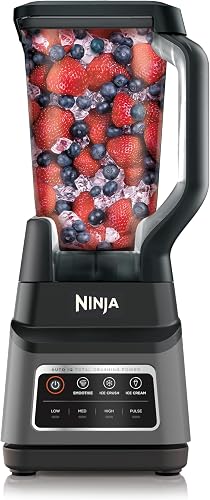
Ninja Professional Plus Blender BN701 1400W Auto-iQ 72oz Pitcher - Smoothies, Frozen Drinks, Ice Cream

Ninja Professional Blender BL610 1000W 72oz Pitcher Total Crushing Technology

Ninja Fit QB3001SS Personal Blender, 700W, 16oz Cups
As an Amazon Associate we earn from qualifying purchases. Product prices and availability are accurate as of the date/time indicated.
Frequently Asked Questions
Is blended and strained juice as healthy as juicer juice?
There is no strong evidence that one is clearly healthier. The main difference is fiber: how much stays depends on how thoroughly you strain. Both are raw, unpasteurized juices, so wash produce well and treat the juice as perishable.
What can I use to strain juice if I don’t have a nut milk bag?
A fine-mesh strainer works, ideally lined with cheesecloth or a clean, thin cotton kitchen towel. A paper coffee filter also works but is very slow. Press the pulp with a spoon to get out more liquid.
Can you juice carrots, beets or apples in a regular blender?
Often yes, but carrots and beets are the hardest. Chop them small, add extra water, and do not force a stalled motor. Apples are easier once cored and seeded. Check your blender’s manual for limits on hard ingredients.
Can an immersion blender make juice?
It can for soft produce like melon or cucumber in a tall container, then you strain the result. Hand blenders are less effective on dense vegetables, and results depend on the model. A standard jar blender handles the job better.
{“@context”: “https://schema.org”, “@type”: “FAQPage”, “mainEntity”: [{“@type”: “Question”, “name”: “Is blended and strained juice as healthy as juicer juice?”, “acceptedAnswer”: {“@type”: “Answer”, “text”: “There is no strong evidence that one is clearly healthier. The main difference is fiber: how much stays depends on how thoroughly you strain. Both are raw, unpasteurized juices, so wash produce well and treat the juice as perishable.”}}, {“@type”: “Question”, “name”: “What can I use to strain juice if I don’t have a nut milk bag?”, “acceptedAnswer”: {“@type”: “Answer”, “text”: “A fine-mesh strainer works, ideally lined with cheesecloth or a clean, thin cotton kitchen towel. A paper coffee filter also works but is very slow. Press the pulp with a spoon to get out more liquid.”}}, {“@type”: “Question”, “name”: “Can you juice carrots, beets or apples in a regular blender?”, “acceptedAnswer”: {“@type”: “Answer”, “text”: “Often yes, but carrots and beets are the hardest. Chop them small, add extra water, and do not force a stalled motor. Apples are easier once cored and seeded. Check your blender’s manual for limits on hard ingredients.”}}, {“@type”: “Question”, “name”: “Can an immersion blender make juice?”, “acceptedAnswer”: {“@type”: “Answer”, “text”: “It can for soft produce like melon or cucumber in a tall container, then you strain the result. Hand blenders are less effective on dense vegetables, and results depend on the model. A standard jar blender handles the job better.”}}]}