
Knowing how to properly use a blender comes down to a few rules: add liquid first, soft items next and hard or frozen items last, fill only to the max line, lock the lid, and start on low before ramping up. Blend in bursts of under 1 minute unless your manual allows longer.
What order do you put ingredients in a blender?
Load from lightest to heaviest, with liquid on the bottom. Liquid gets pulled toward the blades first and keeps everything above it moving. Heavy frozen items on top push the softer food down into the blades.
| Layer | What goes in | Why |
|---|---|---|
| 1 (bottom) | Liquid: milk, water, juice, yogurt | Covers the blades and starts the vortex |
| 2 | Leafy greens, powders, soft fruit | Greens blend best close to the liquid |
| 3 | Nuts, seeds, hard produce, nut butter | Needs weight above and liquid below |
| 4 (top) | Frozen fruit and ice | Weight pushes everything down |
Prep before you load
- Cut firm food (apples, carrots, cooked sweet potato) into pieces about 1 inch across so the motor is not overloaded.
- Use about 1 cup of liquid, or enough to cover the blades, for a typical smoothie.
- Let frozen fruit sit for a minute or two if it is a solid block.
- Check that the gasket and blade assembly are seated before you add anything.
Fill level: stay below the max line on the jar. Contents rise and slosh as they blend, and an overfilled jar leaks around the lid.
What speed should you use, and how long should you blend?
Start on the lowest setting for a few seconds, then step up to medium or high. Starting low pulls ingredients down to the blades and prevents the air pocket that makes the motor spin with nothing to cut. Use the pulse button for chopping and for crushing ice.
Times below are rule-of-thumb starting points for a standard countertop blender. Motor power, jar shape and the amount you load change them, so follow your manual for run-time limits.
| Task | Speed | Typical time |
|---|---|---|
| Soft fruit and liquid | Low, then high | 15 to 30 seconds |
| Leafy greens and liquid first | Low, then high | 30 to 45 seconds |
| Smoothie with frozen fruit | Low, then high | 30 to 50 seconds |
| Chopping or crushing ice | Pulse | 5 to 10 one-second pulses |
| Cooled soup | Low, then medium | 30 to 45 seconds |
Do not run the motor longer than 1 minute at a time. Stop, let it rest, and check the texture. Over-blending warms the contents and can overheat the motor.
Worked example: a basic smoothie
- Pour in 1 cup of milk or water.
- Add 2 big handfuls of spinach and 1 banana.
- Add 1 cup of frozen strawberries and a handful of ice on top.
- Lock the lid and start on low for about 10 seconds.
- Move to high for 30 seconds, for roughly 40 seconds total.
- Stop and check. If chunks remain, blend another 10 seconds.
How to properly use a blender with hot liquids
Cool hot food first. Never blend boiling liquid. Steam expands fast in a closed jar, builds pressure and can push the lid off, spraying scalding liquid. Boiling-hot contents can also crack some jars.
- Let soup or sauce cool for several minutes off the heat.
- Fill the jar only about half full. A jar with a 48-ounce max line would hold about 3 cups of hot liquid. Your manual may set a different limit, so follow it.
- Seat the lid firmly, then remove the small center cap or vent if your model has one.
- Rest a folded towel over the lid and hold it down with a hand clear of the opening.
- Start on the lowest speed, then increase gradually.
- Blend the rest in batches.
Some blenders are not rated for hot contents at all, especially sealed personal cups. If the manual does not mention hot liquids, assume the answer is no and cool the food completely.
Why is my blender not blending or leaving food stuck?
The usual culprits are listed here from most to least likely.
- Air pocket around the blades. The motor whirs but nothing moves. Stop the blender, unplug it, and add a splash of liquid or stir the contents with a spatula. Then restart on low.
- Too little liquid. Thick mixtures such as hummus or frozen desserts stick to the walls. Add liquid a few tablespoons at a time.
- Overfilled or poorly layered jar. Pour some out, then reload with liquid on the bottom and frozen items on top.
- Oversized chunks. Frozen blocks and large pieces ride on top of the blades. Cut smaller and use the pulse button. For more on frozen contents, see whether a blender can crush ice.
- Dull blades or a worn gasket. Blades that no longer cut cleanly, or a jar that leaks at the base, need replacement parts. Contact the maker for your model.
Using the tamper
If your blender came with a tamper, use it only while the lid is on and through the lid opening, as the manual describes. Stop the motor before using a spatula or anything else. Keep hands and utensils out of the jar while it runs.
Does the type of blender change how you use it?
Yes. The loading order stays the same, but capacity, power and ice handling differ.
| Type | Best for | Technique notes |
|---|---|---|
| Standard countertop jar | Smoothies, soups, sauces, batters | Handles larger batches. Work in batches if the jar is more than two-thirds full. |
| High-speed blender | Nut butter, hot soup (if rated), fibrous greens | Often includes a tamper. Starts powerfully, so begin on low. |
| Personal single-serve cup | One smoothie or shake | Small capacity. Fill below the max line and screw the blade base on tightly. |
Ice crushing, hot-food use and run time vary by model, so check the manual before pushing a small or older blender. If you are unsure which category fits your habits, read blenders vs smoothie makers to see how batch size changes the choice.
How do you clean a blender safely?
Clean it right after use, before smoothie residue dries on the jar. The quick method takes about a minute.
- Rinse out the leftovers.
- Fill the jar about halfway with warm water and add a drop of dish soap.
- Lock the lid and run the blender for 20 to 30 seconds.
- Pour out, rinse with clean water, and let it air dry upside down.
Unplug the blender before taking it apart. Handle the blade assembly by the base, not the edges, and wash it with a brush instead of your fingers. Never submerge the motor base in water. Wipe it with a damp cloth. Whether the jar, lid and blade assembly can go in the dishwasher depends on the model, so check the manual.
Common blender mistakes to avoid
- Starting on high speed with a full jar of frozen food.
- Putting ice or frozen fruit in first, then adding liquid on top.
- Filling past the max line.
- Running the motor for several minutes without a break.
- Blending hot liquid in a sealed lid or personal cup.
- Running without the lid locked in place.
- Forcing thick mixtures with no added liquid.
Quick rule: if the motor sounds strained, smells hot, or the jar stays empty around the blades, stop, unplug, and fix the loading before trying again. If you hit that limit with ordinary smoothies, the motor may be too small for what you make, so see how to choose a blender by what you blend.
Our Top Picks
Ready to shop? These are the top-rated options from our hands-on roundup, Best Blender to Puree Food for Elderly of 2026.
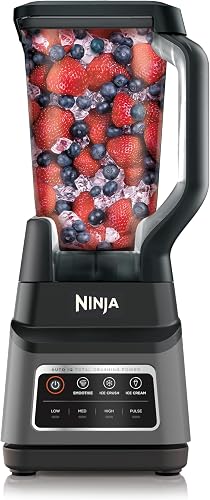
Ninja Professional Plus Blender BN701 1400W Auto-iQ 72oz Pitcher - Smoothies, Frozen Drinks, Ice Cream

Ninja Professional Blender BL610 1000W 72oz Pitcher Total Crushing Technology

Ninja Fit QB3001SS Personal Blender, 700W, 16oz Cups
As an Amazon Associate we earn from qualifying purchases. Product prices and availability are accurate as of the date/time indicated.
Frequently Asked Questions
Can you blend without any liquid?
Usually not well. Without liquid, ingredients stick to the walls and the blades spin in an air pocket. A few soft items like ripe fruit may work with a tamper, but most blenders need at least enough liquid to cover the blades. Check your manual.
Is it normal for a blender to smell like burning?
A faint smell on first use can come from the motor settling in on some models. A strong or lasting burning smell means the motor is overheating. Stop, unplug it, let it cool, reduce the load, and check the manual before using it again.
Can I blend hot soup in a personal blender cup?
Generally no. Sealed single-serve cups trap steam, and pressure can force the cup off or spray hot liquid. Many makers prohibit hot contents in them. Cool the soup completely, or use a jar blender whose manual allows hot food.
Can the blender jar go in the dishwasher?
It depends on the model. Many jars and lids are labeled top-rack safe, but some blade assemblies and plastic parts are not. Check your manual for each part. The motor base never goes in the dishwasher or in water.
{“@context”: “https://schema.org”, “@type”: “FAQPage”, “mainEntity”: [{“@type”: “Question”, “name”: “Can you blend without any liquid?”, “acceptedAnswer”: {“@type”: “Answer”, “text”: “Usually not well. Without liquid, ingredients stick to the walls and the blades spin in an air pocket. A few soft items like ripe fruit may work with a tamper, but most blenders need at least enough liquid to cover the blades. Check your manual.”}}, {“@type”: “Question”, “name”: “Is it normal for a blender to smell like burning?”, “acceptedAnswer”: {“@type”: “Answer”, “text”: “A faint smell on first use can come from the motor settling in on some models. A strong or lasting burning smell means the motor is overheating. Stop, unplug it, let it cool, reduce the load, and check the manual before using it again.”}}, {“@type”: “Question”, “name”: “Can I blend hot soup in a personal blender cup?”, “acceptedAnswer”: {“@type”: “Answer”, “text”: “Generally no. Sealed single-serve cups trap steam, and pressure can force the cup off or spray hot liquid. Many makers prohibit hot contents in them. Cool the soup completely, or use a jar blender whose manual allows hot food.”}}, {“@type”: “Question”, “name”: “Can the blender jar go in the dishwasher?”, “acceptedAnswer”: {“@type”: “Answer”, “text”: “It depends on the model. Many jars and lids are labeled top-rack safe, but some blade assemblies and plastic parts are not. Check your manual for each part. The motor base never goes in the dishwasher or in water.”}}]}