Rarely will a blender catch fire from water, and only when liquid reaches the motor base, cord or plug instead of staying in the jar.
Can a blender catch fire from water? What the real risk is
Water in the jar is normal use. The jar, lid and blades are built to hold liquid, so blending water, juice or milk does not create a fire risk by itself.
The hazard is liquid getting past the jar and into the motor base, or onto the cord and plug. Water conducts electricity, so liquid on live parts can cause a short circuit. A short can lead to sparks, smoke, a tripped breaker and a shock risk. Many manuals say never to immerse the motor base, cord or plug in water or any other liquid.
How serious a spill is depends on the model. Bases differ in how well they are sealed, and some have thermal protection that shuts the motor off when it overheats. That protection does not make a wet base safe. Your manual is the final word on what your blender tolerates.
| Situation | Risk level | What to do |
|---|---|---|
| Water or liquid inside the jar with the lid on | Normal use | Nothing. This is what the blender is for. |
| A few drops on the outside of the base | Low, if wiped up while unplugged | Unplug, wipe with a dry cloth, check that nothing ran into the seams. |
| Liquid pooled at the jar-to-base joint or under the jar | Real | Unplug and follow the steps below before using it again. |
| Base, cord or plug dunked, soaked or run under the tap | High | Do not use it until the maker or a qualified repair person clears it. |
Hand blenders are different
An immersion blender is designed to put its blending shaft into liquid. The motor housing above the shaft is not. For a model such as the KitchenAid KHBV53, your manual shows the maximum depth and which parts detach and are safe to wash. The housing should only be wiped.
How water gets into the blender base
Most leaks into the base are slow and unnoticed. These are the usual entry points.
- A worn or cracked cup gasket. A damaged gasket can let liquid run down toward the motor housing.
- A failed seal under the blades. A melted or broken seal lets water through during use or cleaning.
- The jar-to-base joint. This area collects liquid and grime, so it is a common place for liquid to creep in.
- A cracked jar or overfilling. Liquid that escapes the jar runs down toward the base.
- Soaking or rinsing the base. Putting it in the sink, under the tap or in the dishwasher pushes water into vents and seams.
- A damaged cord or plug. A frayed cord or a plug that got wet is its own shock and short risk, even if the base stayed dry.
A quick leak check for the jar
- Unplug the blender and take the jar off the base.
- Fill the jar with room-temperature water to the max line, with the blade assembly and gasket installed as the manual shows.
- Set it on a dry paper towel on the counter, away from the base and cord.
- Check the towel after a few minutes. Any drip from the blade assembly means the gasket or seal has failed, so replace the part or the jar before the next use.
What to do after liquid gets into the blender base
Move quickly, but do not rush into running it to see if it still works.
- Unplug it. Use dry hands and stand on a dry floor. If the outlet or counter near it is wet, switch off the circuit breaker instead of reaching in.
- Do not press any buttons. Powering a wet base is how a short happens.
- Take off the jar and drain the base. Tip the base so liquid runs out the way it came in. Wipe the outside and the jar seat with a dry cloth.
- Dry it in open air. Leave the base on its side or tilted, in a dry, ventilated spot, with the cord uncoiled. Skip ovens, hair dryers and other heat, which can warp parts and seals.
- Inspect it. Look at the cord, the plug prongs, the gasket and the seat for cracks, residue, rust or a musty or sweet smell.
- Check the manual or call the manufacturer. Dry time varies by model, so use the manual’s guidance. If it gives none, ask the maker before plugging in.
Signs the blender should be retired
Water damage is hard to judge from the outside, because corrosion can build up inside after the base looks dry. Retire the blender if any of these apply:
- Liquid got into the base and the manual or manufacturer does not clear it for use.
- You saw sparks, popping, smoke or a persistent burning smell.
- The cord or plug is frayed, cracked, discolored or hot.
- It trips a breaker or GFCI outlet more than once.
- The jar keeps leaking at the blade assembly after you replace the gasket.
- It has been recalled. Search your model number at CPSC.gov.
Repair is rarely worth it for a water-damaged motor, but the manufacturer can tell you whether a service option or warranty applies. Do not open the base while it is plugged in.
Decision rule: if liquid reached the inside of the base, do not run it until the manufacturer says it is safe.
If smoke turns into flames, unplug it only if that is safe to do. Never pour water on it. Use a Class C or ABC extinguisher, or leave and call 911.
Why a blender smokes or smells like burning without a spill
Overheating is a separate hazard from water. A motor that is overworked gets hot and can smell or smoke without any liquid in the base. Keeping the two apart tells you what to do next.
| Cause | What you notice | What to do |
|---|---|---|
| Overload from frozen food, nuts or thick nut butters | Hot motor, burning smell, motor slows or stops | Unplug and let it cool. Use smaller batches and add liquid. |
| Too little liquid | Burning smell, ingredients stuck to the walls | Add liquid as the recipe or manual suggests. |
| Jar not seated or latched | Burning smell, grinding or odd noise | Unplug and reseat the jar until it locks. |
| Running past the maximum run time or blocked vents | Hot base, thermal cutoff trips | Follow the run time in your manual, keep vents clear and let it rest. |
A faint hot-motor smell during a heavy load is common. A strong burning smell, visible smoke or sparks is not, and sparks with an empty jar point to an internal fault or water damage. If the thermal cutoff trips repeatedly on ordinary loads, the motor or its wiring may be failing.
How to keep water out of the blender base
Most spill damage is avoidable with a few habits.
- Unplug before cleaning. It removes the shock risk while your hands are wet.
- Wash the jar, not the base. Clean the jar, lid and blade parts, and check each label for dishwasher or hand-wash instructions.
- Wipe the base with a damp, well-wrung cloth. Dry it afterward, and do not spray cleaner into vents or seams.
- Dry the cord and plug. Make sure the plug is fully dry before it goes back in the outlet.
- Keep the cord away from the sink. Dripping water and a cord on the edge of the counter are a bad mix.
- Do not overfill. Stay under the max line so liquid does not climb out around the lid.
Our Top Picks
Ready to shop? These are the top-rated options from our hands-on roundup, Best Blender to Puree Food for Elderly of 2026.
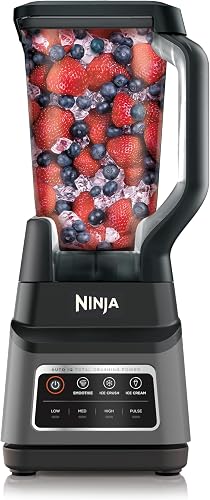
Ninja Professional Plus Blender BN701 1400W Auto-iQ 72oz Pitcher - Smoothies, Frozen Drinks, Ice Cream

Ninja Professional Blender BL610 1000W 72oz Pitcher Total Crushing Technology

Ninja Fit QB3001SS Personal Blender, 700W, 16oz Cups
As an Amazon Associate we earn from qualifying purchases. Product prices and availability are accurate as of the date/time indicated.
Related reading: Ninja Professional Blender BL610 Review 2026 · nutribullet Pro+ Blender 1200W Review 2026
Frequently Asked Questions
Can I put a blender base in the dishwasher?
No. The base holds the motor and wiring, and manuals generally say it must stay out of water. Only the jar, lid and blade parts your label marks as dishwasher safe go in, and some of those are top rack only. Rule: wash what touches food, wipe what plugs in.
How long should a blender base dry after a spill?
A common rule of thumb is at least 24 hours in open air, with the base tilted and the cord uncoiled. Your manual or the manufacturer overrides that, and a base that was soaked may need an inspection instead of more drying time.
Can I still use my blender if a spill only hit the counter and the jar?
Yes, if no liquid reached the base, cord or plug. Wipe the counter and the outside of the base dry, then check the jar seat for pooled liquid before you plug it in. If any liquid is under the jar, treat it as a base spill.
Will a GFCI outlet make a wet blender safe?
No. A GFCI outlet can cut power fast when current leaks to ground, which helps with shock, but it does not dry the base or fix corroded parts. Treat it as a backstop, and still dry and clear the blender first.
Is a blender that got wet but still runs safe to use?
Not necessarily. A base can run while moisture sits near the wiring, and corrosion shows up later. Rule: if liquid got inside, wait for the manufacturer’s go-ahead; if it only touched the jar, you are fine.
{“@context”: “https://schema.org”, “@type”: “FAQPage”, “mainEntity”: [{“@type”: “Question”, “name”: “Can I put a blender base in the dishwasher?”, “acceptedAnswer”: {“@type”: “Answer”, “text”: “No. The base holds the motor and wiring, and manuals generally say it must stay out of water. Only the jar, lid and blade parts your label marks as dishwasher safe go in, and some of those are top rack only. Rule: wash what touches food, wipe what plugs in.”}}, {“@type”: “Question”, “name”: “How long should a blender base dry after a spill?”, “acceptedAnswer”: {“@type”: “Answer”, “text”: “A common rule of thumb is at least 24 hours in open air, with the base tilted and the cord uncoiled. Your manual or the manufacturer overrides that, and a base that was soaked may need an inspection instead of more drying time.”}}, {“@type”: “Question”, “name”: “Can I still use my blender if a spill only hit the counter and the jar?”, “acceptedAnswer”: {“@type”: “Answer”, “text”: “Yes, if no liquid reached the base, cord or plug. Wipe the counter and the outside of the base dry, then check the jar seat for pooled liquid before you plug it in. If any liquid is under the jar, treat it as a base spill.”}}, {“@type”: “Question”, “name”: “Will a GFCI outlet make a wet blender safe?”, “acceptedAnswer”: {“@type”: “Answer”, “text”: “No. A GFCI outlet can cut power fast when current leaks to ground, which helps with shock, but it does not dry the base or fix corroded parts. Treat it as a backstop, and still dry and clear the blender first.”}}, {“@type”: “Question”, “name”: “Is a blender that got wet but still runs safe to use?”, “acceptedAnswer”: {“@type”: “Answer”, “text”: “Not necessarily. A base can run while moisture sits near the wiring, and corrosion shows up later. Rule: if liquid got inside, wait for the manufacturer’s go-ahead; if it only touched the jar, you are fine.”}}]}