Yes, you can overcook a roast in a crock pot. Beef usually has a cook window of 8 to 10 hours on low or 4 to 6 hours on high, and it starts drying out once it runs past the end of that window. Exact limits vary by cooker. For example, a 3 to 4 pound chuck roast started on low at 8 a.m. should be checked around 4 p.m. and is usually done by about 6 p.m., so the margin is hours, not days.
How Long Before You Overcook a Roast in a Crock Pot
A slow cooker is far more forgiving than an oven, but the margin is not unlimited. Typical cook windows for a beef roast are:
- Low: 8 to 10 hours
- High: 4 to 6 hours
Past roughly 10 hours on low or 6 hours on high, the meat is at real risk of drying out. These thresholds are loose. Roast size, cut and the individual cooker all shift them.
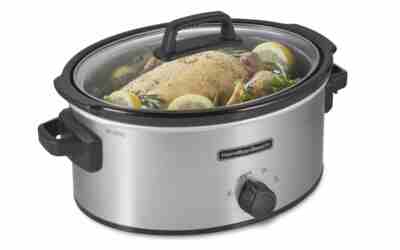
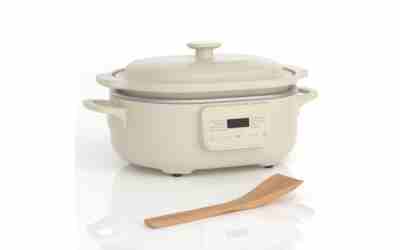
Cookers also differ in how hot they run. Older and some budget units run hotter than newer ones, so a roast can pass done well before the stated time. On a manual model with no timer, such as the Crock-Pot SCV800-R manual slow cooker, the heat simply stays on until you turn it off. The first time you use a cooker, check the roast at the early end of the window rather than the late end.
What an Overcooked Roast Looks Like
Overcooked pot roast does not burn. It fails in texture. Look for:
- Dry, stringy fibers that pull apart into threads with no juiciness
- A grey, dull color through the center
- A mushy or crumbling surface that falls apart when you lift it
- Plenty of liquid in the pot but dry meat on the plate
Once muscle fibers have shrunk, toughened and squeezed out their moisture, that cannot be reversed. You can only disguise it, which is covered below.
Tough does not always mean overcooked
A roast can also be tough because it is undercooked. The connective tissue has not yet melted into gelatin, so the meat resists the fork. Dry and stringy points to overcooking. Firm and rubbery that will not shred points to needing more time.
Use a Probe and Fork Test to Tell Which You Have
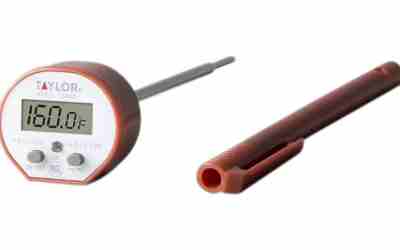
Time is a guess. Internal temperature and the fork test are not.
| Stage | What you will see | What it means |
|---|---|---|
| 145°F | Firm, springy | USDA safe minimum for whole beef cuts with a 3-minute rest, but not a pot-roast stage; the meat is still tough |
| 195 to 205°F | Probe slides in with little resistance; fork twists easily | Collagen has turned to gelatin, so the roast is tender |
| Above about 205°F | Dry threads, crumbling edges | Overcooked; moisture is gone |
Some recipe sites call a lower temperature tender enough, but 195 to 205°F is the commonly cited target for a pot roast you can shred. If the probe meets resistance at the thickest part, give it another 30 to 60 minutes and test again.
Cut, Liquid and Lid: What Makes a Roast Easier to Overcook
Cut: Chuck roast is the most recommended choice. Its marbling and connective tissue turn to gelatin over a long cook, which keeps the meat moist even if it runs a little long. Lean cuts such as top round have little of either, so they dry out sooner and need closer watching.
Liquid: Lean cuts need at least 1 cup of broth or other liquid. Fattier cuts release more of their own juices, but the roast should still sit partly in liquid rather than perch dry above it.
Lid: Keep it closed. Every peek lets heat escape and stretches the cook time, which makes timing even less predictable.
Setting: High is fine when you are short on time. Low gives connective tissue more time to break down and builds more flavor, so choose low when you can.
How to Rescue an Overcooked Roast
You cannot make the meat tender again, but you can make it enjoyable.
- Remove the roast and shred it with two forks, discarding any hard, dry edges.
- Return the shreds to the pot with warm beef broth or gravy and let them soak for 15 to 20 minutes.
- Stir in a spoonful of the cooking liquid at a time until the meat looks glossy rather than dry.
- Serve it in a form that supplies moisture: sandwiches with au jus, tacos, beef stew, pasta sauce or a baked potato topped with gravy.
Slicing a dry roast makes it worse. Shredding and saucing hides the dryness far better.
Using the Warm Setting and Handling Leftovers
If the roast finishes before you are ready to eat, switch to warm instead of leaving it on low. Warm holds food at about 140°F or above, which stays out of the bacteria danger zone of 40 to 140°F. A programmable slow cooker that shifts to warm automatically after the timer ends is the practical fix for long workdays. Look for a timer and an auto-warm mode.
Do not let the cooked roast sit in a switched-off cooker as it cools. Refrigerate leftovers within 2 hours, and reheat them to 165°F on the stove or in the oven, not in the slow cooker.
Starting from frozen is another timing trap, since the meat can linger too long in the danger zone. See whether you can put a frozen roast in a crock pot for safer options.
Our Top Picks
Ready to shop? These are the top-rated options from our related roundup, Best Crock Pot Cookbook of 2026.

Bettye Northrup Complete Crock Pot Cookbook for Beginners

Evelyn A. Bomar Crock Pot Cookbook for Beginners

Fix-It and Forget-It Revised and Updated Cookbook by Phyllis Good
As an Amazon Associate we earn from qualifying purchases. Product prices and availability are accurate as of the date/time indicated.
Frequently Asked Questions
Can I switch from high to low partway through cooking a roast?
Yes. Cooking on high for the first hour or two and then switching to low works fine. Just count the total time and check the roast with a probe near the end, since the time spent on high shortens the finish.
Can I cut a roast into chunks to cook it faster?
Yes, but smaller pieces finish sooner and overcook sooner too. Chunks of chuck are usually tender well before a whole roast, so start probing early and shorten the cook accordingly.
Does a pork roast overcook the same way as beef?
Yes. Pork shoulder has plenty of collagen like chuck and handles long cooking well, but leaner pork loin dries out quickly. Pull pork shoulder when it shreds easily and pork loin much sooner.
Can I use an overcooked roast the next day?
Yes. Refrigerate it within 2 hours, then shred it and reheat it with broth or gravy to 165°F on the stove. It works better in sandwiches, tacos or stew than sliced on its own.
{“@context”: “https://schema.org”, “@type”: “FAQPage”, “mainEntity”: [{“@type”: “Question”, “name”: “Can I switch from high to low partway through cooking a roast?”, “acceptedAnswer”: {“@type”: “Answer”, “text”: “Yes. Cooking on high for the first hour or two and then switching to low works fine. Just count the total time and check the roast with a probe near the end, since the time spent on high shortens the finish.”}}, {“@type”: “Question”, “name”: “Can I cut a roast into chunks to cook it faster?”, “acceptedAnswer”: {“@type”: “Answer”, “text”: “Yes, but smaller pieces finish sooner and overcook sooner too. Chunks of chuck are usually tender well before a whole roast, so start probing early and shorten the cook accordingly.”}}, {“@type”: “Question”, “name”: “Does a pork roast overcook the same way as beef?”, “acceptedAnswer”: {“@type”: “Answer”, “text”: “Yes. Pork shoulder has plenty of collagen like chuck and handles long cooking well, but leaner pork loin dries out quickly. Pull pork shoulder when it shreds easily and pork loin much sooner.”}}, {“@type”: “Question”, “name”: “Can I use an overcooked roast the next day?”, “acceptedAnswer”: {“@type”: “Answer”, “text”: “Yes. Refrigerate it within 2 hours, then shred it and reheat it with broth or gravy to 165°F on the stove. It works better in sandwiches, tacos or stew than sliced on its own.”}}]}