In the rice cooker vs pressure cooker decision, buy a rice cooker if rice is your main goal and you want hands-off, consistent results, and buy a pressure cooker if you also want beans, meat and stews from the same pot. A pressure cooker can make good rice, but a rice cooker makes it more forgivingly.
How a rice cooker and a pressure cooker cook differently
A rice cooker is a heating element, a thermostat and an inner pot. It boils the water at normal air pressure, so the pot never gets much hotter than boiling water (about 212°F at sea level). When the water is absorbed, the pot temperature climbs, the thermostat trips, and the cooker switches to keep-warm.
A pressure cooker seals the lid and traps steam. Trapped steam raises the boiling point, so food cooks at roughly 240-250°F at the 10-15 psi range USDA/FSIS describes for typical US cookers. Actual pressure varies by model, and many electric units run at the lower end.
What that means for you: the pressure cooker is faster for tough foods like dried beans and chuck roast. For rice, which cooks quickly anyway, the higher temperature saves little time and gives you less room for error.
Multi-cookers such as the Instant Pot are electric pressure cookers with a rice setting. That setting usually controls a timed pressure cycle, not the temperature-sensing shutoff of a dedicated rice cooker.
Rice cooker vs pressure cooker side by side
| Feature | Rice cooker | Pressure cooker |
|---|---|---|
| Top cooking temperature | About 212°F (boiling water, sea level) | About 240-250°F at 10-15 psi; varies by model |
| Shutoff | Automatic when water is absorbed, then keep-warm | Timer-based; you pick the time and release method |
| Rice texture | Consistent, separate grains | Good when tuned; can turn sticky or mushy |
| Other foods | Steaming, porridge, some soups | Beans, tough meat, stews, stock, many more |
| Learning curve | Low: rinse, add water, press start | Moderate: ratios, sealing, release methods |
| Upkeep | Wash the inner pot and lid | Also clean the sealing ring and vent; replace worn rings |
| Counter space | Small for 3-6 cups | Larger; a 6-quart electric unit is bulky |
Where each loses: the rice cooker is a one-trick appliance, and the pressure cooker needs more attention and a bit more skill to get rice right.
Which makes better rice, a rice cooker or a pressure cooker?
A rice cooker makes better rice for most people because it adjusts to the amount of water and stops at the right moment. Pressure cooker rice depends on your ratio, your time and your release method, and a small miss shows up as a gummy bottom.
Use these starting points for an electric pressure cooker, and let your manual override them. They are rules of thumb, not lab results.
| Rice | Rinse? | Rice : water | High pressure | Release |
|---|---|---|---|---|
| White long-grain / jasmine | Yes | 1 : 1 | 4-6 min | 10 min natural |
| Basmati | Yes, soak 15-20 min if you like | 1 : 1 | 4-6 min | 10 min natural |
| Sushi / short-grain | Yes | 1 : 1 | 5-6 min | 10 min natural |
| Brown | Rinse | 1 : 1.25 | 15-22 min | 10 min natural |
A rice cooker uses the water lines marked inside the pot. For brown rice, a dedicated mode or a cooker built for it helps; see our guide to the best brown rice cookers.
How to avoid mushy pressure cooker rice
- Rinse until the water runs mostly clear to remove surface starch.
- Measure water exactly. Extra water is the most common cause of mush.
- Use natural release for about 10 minutes, then vent the rest. A fast release can make rice spit and foam.
- For perfect separate grains, try pot-in-pot: rice and water in a small bowl set on a trivet over water in the main pot.
Which should you buy? A simple decision rule
Choose a rice cooker if you eat rice three or more times a week, cook for one to four people, or want to start it and walk away. The keep-warm mode holds rice for hours, which helps on busy evenings.
Choose a pressure cooker if rice is only one of several things you cook. If you want beans from dry in under an hour, tender braised meat on a weeknight, or fast stock, the pressure cooker earns its space. Our breakdown on whether a pressure cooker is worth it walks through that test.
Already own an Instant Pot? A rice cooker is optional. Buy one only if you make rice often and find the pressure cooker version inconsistent, or you want the counter space back for the multi-cooker.
Short on space? A small stovetop pressure cooker or a 3-cup rice cooker takes less room than a 6-quart multi-cooker.
Cooking for a family? Size matters more than type. Rice cooker capacity is measured in uncooked rice cups, so check our guide to what size rice cooker fits four people before you buy.
Cost, size and storage
Prices vary by brand and sale, so compare current listings rather than trusting a range here. In general, basic rice cookers cost less than electric pressure cookers, and high-end micom rice cookers can cost more than a basic multi-cooker.
- Basic rice cooker: one on/off switch, small footprint, easy to store in a cabinet.
- Micom (fuzzy-logic) rice cooker: adds sensors, white/brown/sushi settings and better texture control. It’s the choice for picky rice eaters.
- Electric pressure cooker: typically 3, 6 or 8 quarts. It replaces a slow cooker and some stovetop pots, so it can save space overall if it replaces other items.
- Stovetop pressure cooker: no electronics, fast heat-up, but you must watch the stove and regulate the heat.
If you want a decent rice cooker on a budget, start with our roundup of the best rice cookers under $100.
Buying both is reasonable if you cook rice daily and also braise or cook beans. They do different jobs well.
Safety and upkeep for both appliances
Modern pressure cookers have multiple safeguards, but they still hold hot steam under pressure. Never force the lid open. Wait until the pressure indicator drops and the lid unlocks. Keep your hands and face away from the steam vent during quick release.
Fill limits matter with rice because it foams and can block the vent. Many manuals say to fill no more than half full for rice, beans and other foamy foods; follow your manual’s max-fill line.
- Clean the vent, valve and sealing ring after each use.
- Replace a stretched, cracked or smelly ring with the maker’s part.
- Some hissing and spitting from the valve is normal as it releases excess pressure. Steady, heavy leakage from the lid edge is not; stop and check the ring.
- Look for UL or ETL certification on any electric cooker.
Rice cookers are lower risk, but the lid steam and hot inner pot can still burn you. Open the lid away from your face and never run one without the inner pot in place.
Our Top Picks
Ready to shop? These are the top-rated options from our hands-on roundup, Best Combination Slow Cooker Pressure Cooker of 2026.
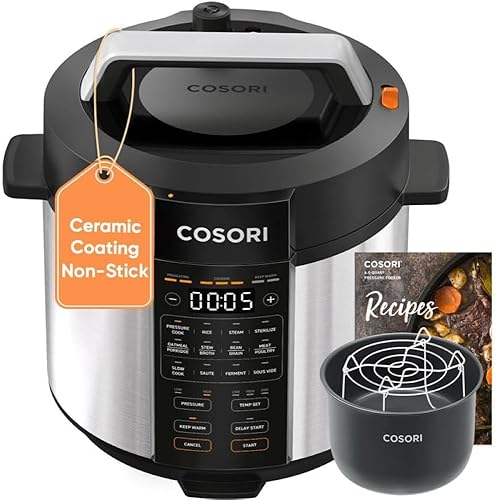
Cosori 6QT 9-in-1 Pressure Cooker, Ceramic Pot

Instant Pot Duo 6 Qt 7-in-1

Instant Pot Duo Plus 6 Qt 9-in-1 Electric Pressure Cooker
As an Amazon Associate we earn from qualifying purchases. Product prices and availability are accurate as of the date/time indicated.
Frequently Asked Questions
Can I cook rice in a pressure cooker or Instant Pot?
Yes. Rinse the rice, use about a 1:1 rice-to-water ratio for white rice, cook 4-6 minutes at high pressure, then let it release naturally for about 10 minutes. Check your manual, since ratios and times vary by model and rice type.
Can a rice cooker be used as a pressure cooker?
No. A standard rice cooker does not seal or build pressure, so it can’t replace a pressure cooker for beans or tough meat. It can steam vegetables, cook oatmeal and make some soups, depending on the model.
Is a rice cooker worth it if I already have an Instant Pot?
Only if you cook rice often and want more consistent texture, hands-off cooking and freed-up multi-cooker time. If you eat rice occasionally and are happy with Instant Pot results, you don’t need one.
Why is my pressure cooker rice mushy or sticky?
Usually too much water, no rinse, or a fast release. Measure exactly, rinse until the water is mostly clear, and use about 10 minutes of natural release. Try pot-in-pot if the bottom keeps sticking.
{“@context”: “https://schema.org”, “@type”: “FAQPage”, “mainEntity”: [{“@type”: “Question”, “name”: “Can I cook rice in a pressure cooker or Instant Pot?”, “acceptedAnswer”: {“@type”: “Answer”, “text”: “Yes. Rinse the rice, use about a 1:1 rice-to-water ratio for white rice, cook 4-6 minutes at high pressure, then let it release naturally for about 10 minutes. Check your manual, since ratios and times vary by model and rice type.”}}, {“@type”: “Question”, “name”: “Can a rice cooker be used as a pressure cooker?”, “acceptedAnswer”: {“@type”: “Answer”, “text”: “No. A standard rice cooker does not seal or build pressure, so it can’t replace a pressure cooker for beans or tough meat. It can steam vegetables, cook oatmeal and make some soups, depending on the model.”}}, {“@type”: “Question”, “name”: “Is a rice cooker worth it if I already have an Instant Pot?”, “acceptedAnswer”: {“@type”: “Answer”, “text”: “Only if you cook rice often and want more consistent texture, hands-off cooking and freed-up multi-cooker time. If you eat rice occasionally and are happy with Instant Pot results, you don’t need one.”}}, {“@type”: “Question”, “name”: “Why is my pressure cooker rice mushy or sticky?”, “acceptedAnswer”: {“@type”: “Answer”, “text”: “Usually too much water, no rinse, or a fast release. Measure exactly, rinse until the water is mostly clear, and use about 10 minutes of natural release. Try pot-in-pot if the bottom keeps sticking.”}}]}