
Yes, a vacuum buzzing when wet usually means water reached the motor, switch or bearings, so unplug it or pull the battery and, if the motor got wet, let it dry 24 to 48 hours before you test it.
What to do right away when a vacuum gets wet
Stop the vacuum, then cut power before you touch anything else. Running a wet vacuum risks electric shock, a short circuit and more motor damage.
- Unplug it or remove the battery. Unplug with dry hands, standing on a dry surface.
- Turn it off and move it away from standing water.
- Empty any liquid from the dustbin or tank over a sink or drain.
- Don’t shake it or tip it around. Water can run into the motor housing and switch.
- Don’t charge it. On cordless and robot models, keep it off the charging stand until it is fully dry.
Stop using it and get service if you smell burning, see sparks or a breaker trips. Those point to a short, not a simple blockage.
Why a vacuum buzzing when wet happens
A standard household vacuum is built to move air, not liquid. When water gets past the filters, it can reach the motor and the parts around it. Here are the usual water-related causes, from most to least likely:
- Wet or corroded bearings. Moisture can wash out lubricant and cause rust. The result is a grinding, whining or rough buzzing sound as the motor spins.
- A seizing motor. If the rotor is stuck or stiff, the motor hums and draws power without turning. This is the sound to take most seriously, because a motor that can’t turn can overheat.
- A wet switch or circuit board. Moisture can cause a weak connection, so the vacuum buzzes, stutters or cuts out. Some models also show a moisture or error indicator. Your manual lists what the codes mean.
- A soaked filter. A wet filter clogs, restricts airflow and strains the motor, which raises the pitch.
Water damage may not show up on the first run. Rust can build over days, so a vacuum that sounds fine right after drying can start to grind later.
Buzz from water or something else? A symptom checklist
Not every buzz means water damage. A clogged hose or a full tank can make the same sound, so check these with the vacuum unplugged or the battery removed, starting with the cheapest fix.
| Symptom | Likely cause | Quick test | Fix |
|---|---|---|---|
| Hum or buzz, but the motor and brush roll don’t spin | Seized motor, or a jammed brush roll or belt | Turn the brush roll by hand. Then try spinning the fan through the intake with a pencil. | Clear the jam. If the fan is stiff, the motor needs service. |
| Higher whine and weak suction | Clogged filter or hose | Remove the filter. Look through the hose toward a light. | Clear the blockage. Clean the filter only if the manual says it is washable, or replace it. |
| Pitch jumps and suction stops on a wet/dry vac | Tank full, float shut-off closed | Look inside the tank. | Empty the tank. |
| Grinding or rattling while spinning | Wet or corroded bearings, or debris in the fan | Turn the fan by hand and feel for roughness. | Dry fully and remove debris. If it still grinds, the motor needs replacing. |
| Burning smell, sparks or tripped breaker | Short circuit | No test needed. Stop using it. | Professional service or replacement. |
| Won’t start, or shows a wet or error light | Moisture in the switch, sensor or board | Check the manual for the error code. | Dry 24 to 48 hours, then retest. |
Decision rule: if it buzzes and nothing spins, suspect the motor or a jam. If it spins and sounds high-pitched, suspect airflow. If it spins and grinds, suspect bearings.
How to dry and test a wet vacuum
Many manuals advise air drying at room temperature for at least 24 hours, so follow yours first. As a rule of thumb, allow 24 to 48 hours when water reached the motor or body. That range is for motor-wet cases. If only the dustbin or a filter got wet, a filter that is fully dry to the touch is usually enough. Skip the hair dryer and heat gun, because high heat can warp plastic and damage wiring and the battery.
- Unplug it or remove the battery.
- Take out the dustbin and filters. Follow the manual for which parts come off.
- Replace paper or HEPA-style filters that got soaked. Check the manual or filter label to see whether a filter is washable. If it is, air dry it for a full 24 hours.
- Wipe water from the hose, brush head and outside of the motor housing with a dry towel.
- Stand the parts in a dry room with some airflow for 24 to 48 hours. Go with 48 hours if water got into the body.
- Before powering on, spin the brush roll and the fan by hand. They should turn freely and quietly.
- Reassemble, plug into an outlet away from standing water and run it for a few seconds in an open area.
If it still buzzes, grinds or smells hot, turn it off and unplug it. A second failed test points to internal damage, and more run time can make it worse.
Cordless, robot and wet/dry vacuums behave differently
Cordless vacuums add a battery risk. A wet lithium-ion battery or board can short, overheat or, in rare cases, catch fire, so keep the pack out and don’t put the vacuum back on its charger until it is fully dry. If the battery is swollen, hot or smells odd, stop using it and contact the maker.
Robot vacuums can pull water into the fan and burn it out, and a wet dock or contacts can short. Never let one run over a puddle or a pet accident that is still wet. If yours has failed beyond repair, our robot vacuum roundup compares models by feature.
Wet/dry vacuums are built for liquid, so a wet tank is normal. A higher pitch and lost suction usually mean the tank is full and the float has closed. Empty it, and the sound should return to normal. Use a GFCI-protected outlet when working in damp areas, and follow the manual for filter use. Many wet/dry models need the paper filter removed for liquid pickup.
Standard uprights and canisters have no float or liquid protection. Water that gets past the filter goes straight toward the motor.
Repair or replace a water-damaged vacuum
Dry the vacuum first, because many “water” problems are only a wet filter or a clog. If it still buzzes or grinds after 48 hours of drying, the motor is the likely culprit.
- Warranty: Many warranties exclude liquid damage, so read your terms or ask the maker before paying for repairs.
- Motor replacement: Motor and labor costs vary widely by brand and model. Get a written quote before you approve any work.
- Rule of thumb: if the repair quote is more than about half the price of a comparable new vacuum, replace it. This is a guideline, not a manufacturer figure.
- Worth fixing: filters, belts, brush rolls, hoses and removable batteries are cheap to swap. Motors and sealed boards are not.
- Not worth fixing: burned or swollen batteries, corroded boards and budget stick vacuums with a seized motor.
If you decide to replace it, our best vacuums guide compares upright, stick, canister and robot options. If liquid spills are a regular problem, consider a wet/dry model instead.
How to keep a vacuum from getting wet again
- Only vacuum liquid with a vacuum rated for wet pickup. Check the manual or label.
- Blot spills with a towel first, then vacuum the damp residue only if the manual allows it.
- Empty the tank or dustbin after every wet job, and let the filter dry before storing.
- Don’t run a robot vacuum on a damp floor, or after pet accidents and mopping.
- Store cordless units and chargers away from sinks, laundry areas and damp garages.
- Use a GFCI outlet when working in a bathroom, basement or garage.
Our Top Picks
Ready to shop? These are the top-rated options from our hands-on roundup, Best Cordless Vacuums of 2026.

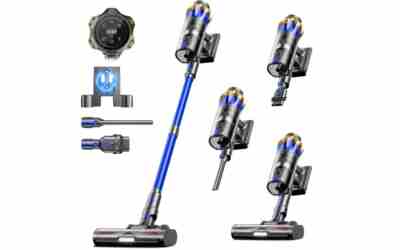
JELLYPIG Cordless Vacuum Cleaner 650W 55KPA 70Mins Self-Standing Touch Screen Anti-tangle for Home Pet Hair

MOHOMO Nova V5 Cordless Vacuum Cleaner, 650W/55KPa Suction, 70 Min Runtime, Self-Standing Stick Vacuum with Anti-Tangle Brush and OLED Touch Screen for Hardwood Floors, Carpet, Pet Hair, Car

Levoit LVAC-200 Cordless Vacuum Cleaner: Anti-Tangle for Pet Hair, 50 Min Runtime, Lightweight Stick Vac for Carpets & Hard Floors
As an Amazon Associate we earn from qualifying purchases. Product prices and availability are accurate as of the date/time indicated.
Frequently Asked Questions
Can I use a vacuum after it sucked up a little water?
Only after checking where the water went. If it stayed in the dustbin and a filter, empty the bin, dry the filter fully and test. If water reached the motor housing, hose base or switch, treat it as motor-wet and dry it 24 to 48 hours first. Any buzzing or grinding on the test run means stop and unplug.
Is a humming vacuum that won’t spin dangerous to leave plugged in?
It can be. A motor that hums but can’t turn draws power and can overheat, which risks damage and, in worse cases, a fire. Unplug it as soon as you notice the hum, then check for a jam before trying again.
Can rice or silica gel dry a vacuum?
They are not a reliable fix. They only absorb moisture from the air near them, not from inside a motor or bearings, and loose grains can end up in the housing. Air drying with parts opened up is the safer method.
Can I dry a washable filter in the dryer?
No. Tumbling and heat can warp the filter frame and break down the foam or pleats. Rinse it only if the manual says it is washable, shake out the water and air dry it for at least 24 hours.
Why does my cordless vacuum buzz but not run after it got damp?
The battery contacts, switch or board may be wet, so power reaches the motor unevenly. Remove the battery, let the vacuum and pack dry fully, and check the contacts for corrosion. If it still buzzes with a dry battery in place, the motor or board likely needs service.
How can I tell a wet-motor buzz from a clog buzz?
A clog usually gives a higher whine with weak suction, and the sound eases once the blockage is cleared. A wet motor tends to hum, grind or rattle, and the fan feels stiff or rough when turned by hand.
{“@context”: “https://schema.org”, “@type”: “FAQPage”, “mainEntity”: [{“@type”: “Question”, “name”: “Can I use a vacuum after it sucked up a little water?”, “acceptedAnswer”: {“@type”: “Answer”, “text”: “Only after checking where the water went. If it stayed in the dustbin and a filter, empty the bin, dry the filter fully and test. If water reached the motor housing, hose base or switch, treat it as motor-wet and dry it 24 to 48 hours first. Any buzzing or grinding on the test run means stop and unplug.”}}, {“@type”: “Question”, “name”: “Is a humming vacuum that won’t spin dangerous to leave plugged in?”, “acceptedAnswer”: {“@type”: “Answer”, “text”: “It can be. A motor that hums but can’t turn draws power and can overheat, which risks damage and, in worse cases, a fire. Unplug it as soon as you notice the hum, then check for a jam before trying again.”}}, {“@type”: “Question”, “name”: “Can rice or silica gel dry a vacuum?”, “acceptedAnswer”: {“@type”: “Answer”, “text”: “They are not a reliable fix. They only absorb moisture from the air near them, not from inside a motor or bearings, and loose grains can end up in the housing. Air drying with parts opened up is the safer method.”}}, {“@type”: “Question”, “name”: “Can I dry a washable filter in the dryer?”, “acceptedAnswer”: {“@type”: “Answer”, “text”: “No. Tumbling and heat can warp the filter frame and break down the foam or pleats. Rinse it only if the manual says it is washable, shake out the water and air dry it for at least 24 hours.”}}, {“@type”: “Question”, “name”: “Why does my cordless vacuum buzz but not run after it got damp?”, “acceptedAnswer”: {“@type”: “Answer”, “text”: “The battery contacts, switch or board may be wet, so power reaches the motor unevenly. Remove the battery, let the vacuum and pack dry fully, and check the contacts for corrosion. If it still buzzes with a dry battery in place, the motor or board likely needs service.”}}, {“@type”: “Question”, “name”: “How can I tell a wet-motor buzz from a clog buzz?”, “acceptedAnswer”: {“@type”: “Answer”, “text”: “A clog usually gives a higher whine with weak suction, and the sound eases once the blockage is cleared. A wet motor tends to hum, grind or rattle, and the fan feels stiff or rough when turned by hand.”}}]}