
Pick a magnetic rowing machine if you want quiet, a lower price and easier storage. Pick a water rower if you want a smoother, more on-the-water stroke and resistance that scales with your effort. In the water vs magnetic rowing machine choice, noise, space and upkeep usually matter more than workout quality.
How do water and magnetic rowers work and feel?
A water rower has paddles spinning inside a water-filled tank. The harder and faster you pull, the more the water pushes back, so resistance is effectively unlimited and you set it with your effort. Some models let you change the water volume to alter the feel, but that varies by manufacturer.
A magnetic rower uses a magnet or eddy-current brake on a flywheel. You choose a resistance level with a dial, lever or motor. Budget models typically offer about 5 to 8 levels, and pricier ones about 15 to 20 (ranges from review-site spec roundups, not our testing).
How the stroke feels:
- Water: a surge at the drive, a soft fade on the recovery, and the sound and sensation of moving water. Many rowers say this is closest to a boat.
- Magnetic: an even, uniform pull the whole way through. It is predictable, which many beginners find easier to learn on.
Turning level numbers into real effort
Level numbers are not standardized. Level 6 on one magnetic rower can feel nothing like level 6 on another. Use the monitor’s watts or split time instead. Row 5 minutes at a steady pace on each level and write down the average watts. That gives you your own scale, and you can see whether the top level is hard enough for you before the return window closes.
Which is quieter for an apartment or shared walls?
Magnetic rowers are generally the quieter choice. Most of their sound is the seat rolling on the rail and a light hum from the flywheel and belt or chain. Water rowers add a whoosh and sloshing that gets louder as you pull harder. Most makers do not publish decibel readings, so treat this as a general pattern, not a measured number, and read owner reviews that mention apartments.
Noise also travels as vibration through the floor. On either type:
- Put the rower on a dense rubber mat, not directly on a hard floor above a neighbor.
- Place it on an exterior wall or over a carpeted room if you can.
- Check that the seat rollers and rail are clean, since grit makes a rolling rattle.
Rule: if someone sleeps below you or beside a shared wall during your workout hours, buy magnetic. If you row in a garage or basement, noise should not decide it.
Water vs magnetic rowing machine: side-by-side comparison
The ranges below come from retailer and review-site listings, such as Garage Gym Reviews, and not from our own testing. Individual models can fall outside them, so check the manufacturer’s spec sheet.
| Feature | Water rower | Magnetic rower |
|---|---|---|
| Resistance | Set by how hard you pull; effectively unlimited | Preset levels, often 5 to 8 (budget) or 15 to 20 (higher-end) |
| Feel | Dynamic, with a surge and fade | Smooth and consistent |
| Noise | Whoosh and sloshing, louder with effort | Typically quieter |
| Listed price range | About $500 to $2,199 | About $220 to $2,499 |
| Weight | About 92 to 117 lbs with water | About 50 to 145 lbs |
| Length x width | About 80 to 86 in x 22 to 24 in | About 77 to 98 in x 21 to 23 in |
| Max user weight | About 300 to 700 lbs | About 250 to 500 lbs |
| Storage | Usually does not fold; some can stand on end | Many fold or store upright |
| Upkeep | Water treatment, cleaning, mold prevention | Wipe-downs and bolt checks |
Both types are seated and low impact, so pick by the rows that affect your home: noise, floor space and weight limit.
How do maintenance, water treatment and storage compare?
Water rowers need a little routine care. Manufacturers typically call for a chlorine-type treatment tablet roughly every 6 months to 2 years, and a drain and refill if the water turns cloudy or discolored. Use only the treatment your manual specifies. An untreated tank can grow algae or mold, and mixing chemicals is a bad idea.
Magnetic rowers have no tank. Wipe the rail, seat and handle after use, and check bolts and the strap, chain or belt now and then. Wear parts vary by model, so look at the warranty terms for frame, parts and monitor.
Storage and moving
- A filled water rower can weigh around 117 lbs (the WaterRower is listed at that weight). Get help moving it, or drain it first if the manual says to.
- Check your manual before storing a water rower in an unheated garage. Freezing temperatures can damage a tank.
- Folding or upright storage on many magnetic models saves floor space. Confirm the folded dimensions, not just the in-use length.
What does each type really cost, and do the monitors track accurately?
Listed prices overlap heavily: about $220 to $2,499 for magnetic and about $500 to $2,199 for water. Prices change often, so compare at the same warranty and build quality instead of sticker price. Include the small recurring cost of water treatment for a water rower. If you are weighing a rower against other equipment, our guide to the best gym machine can help you compare.
Monitors estimate your numbers from flywheel or paddle speed. Split time, stroke rate and watts are useful for tracking your own progress. Calories are an estimate that differs by brand, so do not compare them between machines or treat them as exact.
A bigger screen is a convenience, not a guarantee of accuracy. The Hydrow Origin, for example, is listed with a 22-inch HD touchscreen and a 375 lb user limit, but connected rowers may require a paid membership for full features. Check what works without a subscription before you buy.
Which type should you buy? A decision rule by priority
- Quiet or shared walls: magnetic.
- Small space or apartment: a folding or upright-storing magnetic rower.
- Lowest budget: magnetic. Budget water rowers exist, but the cheapest listings are magnetic.
- Most natural rowing feel: water.
- Heavy or very strong users: compare rated user weight. Water models list about 300 to 700 lbs, magnetic about 250 to 500 lbs. Test that the top magnetic level is hard enough.
- Serious training: water for effort-matched resistance, or a high-level magnetic model with 15 to 20 settings.
By user type
- Beginner: choose by noise, space and budget. Either type works for learning technique, and the steady pull of magnetic is easy to start on.
- Rehab or low impact: both are seated. Ask your doctor or physical therapist before starting, and do not buy based on injury-prevention claims.
- Tall users: look at rail length (about 77 to 98 in for magnetic, 80 to 86 in for water) and seat travel in the spec sheet.
Worked space example
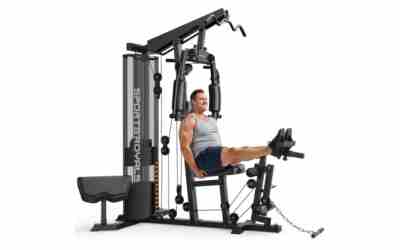
An 86-inch water rower is about 7.2 ft long and 2 ft wide, roughly 14 square feet. Add a few feet behind it for the end of the stroke and room to step off. If that does not fit, a magnetic rower that folds to a small footprint is the safer pick. If you also want strength work, an all-in-one home gym machine covers what a rower does not.
What mistakes and safety checks matter before you buy?
- Skipping the weight rating. Rated capacity ranges from about 250 to 700 lbs by model. Stay well under the stated limit.
- Judging by level count alone. Ten levels on a weak brake can feel easier than five on a strong one.
- Forgetting the move. Measure doorways and stairs, and plan for the weight of a filled tank.
- Ignoring the floor. Use a level surface and a mat so the rower does not rock or slide.
- Loose straps and dirty rails. Keep foot straps snug, the rail clear, and bolts tight on both types.
If you have a heart condition, back problems or are pregnant, talk to your doctor before starting rowing. Final check before you order: confirm the return policy, the noise reviews from apartment owners, and the folded or stored dimensions.
Our Top Picks
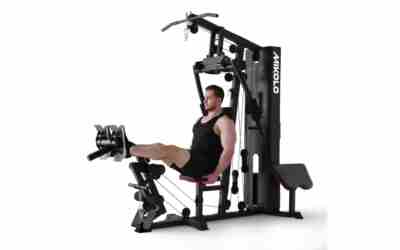
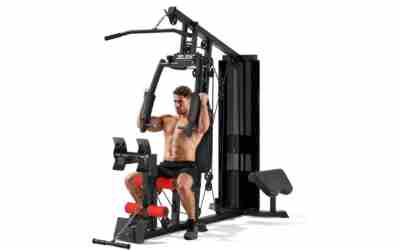
Ready to shop? These are the top-rated options from our hands-on roundup, Best All In One Gym Machine For Home of 2026.

WFLGFT P436 Home Gym 148 LB Weight Stack

Gymusclo All-in-One Smith Machine with 150lb Weight Stack

Marcy MWM-989 150lb Weight Stack Home Gym
As an Amazon Associate we earn from qualifying purchases. Product prices and availability are accurate as of the date/time indicated.
Frequently Asked Questions
Can a magnetic rower be hard enough for advanced athletes?
Often yes, if it has a high top setting. Higher-end magnetic models list 15 to 20 levels. Level numbers are not standardized, so check the watts you can hold at the top level during the return window.
How often does a water rower need new water or treatment?
Manufacturers typically call for a treatment tablet roughly every 6 months to 2 years. Drain and refill if the water turns cloudy or discolored. Use only the treatment named in your manual, since the schedule varies by model.
Can I keep a water rower in a garage?
Often, but check your manual first. Freezing temperatures can damage a tank, and an untreated tank can grow algae or mold. If your garage gets cold, drain it as directed or choose a magnetic rower with no tank.
Are rower calorie counts accurate?
Treat them as rough estimates. Monitors calculate calories from flywheel or paddle speed, and formulas differ by brand. Use watts, split time and stroke rate to track your own progress on the same machine.
{“@context”: “https://schema.org”, “@type”: “FAQPage”, “mainEntity”: [{“@type”: “Question”, “name”: “Can a magnetic rower be hard enough for advanced athletes?”, “acceptedAnswer”: {“@type”: “Answer”, “text”: “Often yes, if it has a high top setting. Higher-end magnetic models list 15 to 20 levels. Level numbers are not standardized, so check the watts you can hold at the top level during the return window.”}}, {“@type”: “Question”, “name”: “How often does a water rower need new water or treatment?”, “acceptedAnswer”: {“@type”: “Answer”, “text”: “Manufacturers typically call for a treatment tablet roughly every 6 months to 2 years. Drain and refill if the water turns cloudy or discolored. Use only the treatment named in your manual, since the schedule varies by model.”}}, {“@type”: “Question”, “name”: “Can I keep a water rower in a garage?”, “acceptedAnswer”: {“@type”: “Answer”, “text”: “Often, but check your manual first. Freezing temperatures can damage a tank, and an untreated tank can grow algae or mold. If your garage gets cold, drain it as directed or choose a magnetic rower with no tank.”}}, {“@type”: “Question”, “name”: “Are rower calorie counts accurate?”, “acceptedAnswer”: {“@type”: “Answer”, “text”: “Treat them as rough estimates. Monitors calculate calories from flywheel or paddle speed, and formulas differ by brand. Use watts, split time and stroke rate to track your own progress on the same machine.”}}]}