Put the meat thermometer in turkey at the innermost part of the thigh, away from bone; it’s safe at 165°F, and you should also check the breast and wing.
The three spots to check on a whole turkey
One reading is not enough. A turkey cooks unevenly, so USDA advises checking three places every time:
- Innermost part of the thigh. This is usually the slowest-cooking area and your main spot. Aim for the meat between the thigh and the body, without touching the thighbone.
- Thickest part of the breast. Breast meat dries out fast, so you want to know when it reaches 165°F and not much beyond.
- Innermost part of the wing. Check this last. The wing is thin, so it is easy to push through to the other side or hit bone.
If you only have time for one check before pulling the bird, make it the thigh, but the safe call is all three. If any spot reads under 165°F, keep roasting and recheck in 10 to 15 minutes. That recheck window is a rule of thumb, so shorten it if the reading is close.
How to insert the meat thermometer in a turkey, step by step
Depth and angle matter more than most people think. Most thermometers read at the tip or within the last inch or so of the probe, though this depends on the model, so follow your thermometer’s instructions for minimum insertion depth.
- Check your thermometer first. Test it in a glass of ice water. It should read about 32°F, give or take a degree or two. If it is off, adjust it if the model allows, or note the difference.
- Thigh: Slide the probe into the innermost part of the thigh, angled parallel to the thighbone, until the tip is near the center of the meat and not touching bone.
- Breast: Insert from the neck end or the side, angled toward the center of the thickest part, away from the rib cage. Do not go straight down from the top, where the tip can end up near the bone.
- Wing: Insert into the innermost, meatiest part near where the wing meets the body, aimed along the length of the wing. Avoid the joint itself, since the tip can hit bone there. If the wing is too thin for a steady reading, try a slightly different spot and read again.
- Wait for the number to settle. Instant-read models usually take a few seconds. Hold still until the display stops climbing.
- Pull back slightly if the reading looks high. A probe resting against bone can read falsely high. Back it out a half inch and read again.
Also keep the tip out of fat pockets and away from the roasting pan. Both can throw off the reading.
Use oven mitts and keep your face back when you open the oven. Steam and hot pan juices can cause burns.
What temperature is a turkey safe at?
USDA sets the safe minimum internal temperature for turkey at 165°F. That applies to the breast, thigh and wing. Some cooks take the thigh higher for more tender dark meat, but that is a texture preference, not a safety requirement.
| Spot | Safe minimum | Note |
|---|---|---|
| Innermost thigh | 165°F | Many cooks go to 170–175°F for softer dark meat, a preference |
| Thickest breast | 165°F | Higher temperatures dry it out |
| Innermost wing | 165°F | Thin, so check last |
| Center of stuffing | 165°F | Only if the bird is stuffed |
Do not go by pop-up timers or juice color alone. Juices can run clear before the bird is safe, and meat can stay pink at a safe temperature.
Undercooked poultry can carry Salmonella and Campylobacter. When in doubt, keep roasting.
Leave-in probe or instant-read thermometer for turkey?
Either type works for placement, and the thigh, breast and wing spots stay the same.
- Instant-read: Best for the final checks in all three spots. Do not leave a standard instant-read in the oven unless the manufacturer says it is oven-safe.
- Leave-in probe: Goes in the thigh before roasting so you can watch the temperature climb without opening the oven door. Follow the manual for how far to insert it and how to route the cable or place the transmitter.
Decision rule: Put a leave-in probe in the thigh to track progress, then confirm the breast and wing with an instant-read near the end; a dual-probe model like the one in our TempPro TempSync dual-probe review can watch two spots at once.
Wash the probe with hot, soapy water after it touches raw poultry, and before you use it on another dish.
Stuffed, spatchcocked, smoked: where the thermometer goes
The three-spot rule stays the same, with a few changes.
- Stuffed turkey: Check the thigh, breast and wing, then push the thermometer into the center of the stuffing, which must also reach 165°F. If the stuffing lags, the turkey may be overcooked by the time it gets there, which is one reason many cooks bake stuffing in a separate dish.
- Spatchcocked turkey: The bird is flat, so it usually cooks faster and more evenly. Check the thickest part of the breast from the side and the innermost part of the thigh, and start checking earlier than you would for a whole bird.
- Smoked turkey: Same spots, but the smoker’s lower heat means a longer cook, so a leave-in probe helps. See our best wireless thermometer for smoker picks for models built for long cooks.
- Deep-fried turkey: Do not put a standard thermometer in hot oil. Follow your fryer’s manual, lift the bird out safely, then check the thigh, breast and wing as usual.
- Frozen-then-cooked turkey: USDA says a turkey cooked from frozen takes about 50 percent longer. Check for 165°F in all three spots, because the thick thigh area can lag behind the breast.
What if the breast is done but the thigh is not?
This is a common turkey problem. The breast is lean and cooks quickly, while the thigh takes longer. Try these fixes:
- Shield the breast. Tent it loosely with foil while the thigh catches up.
- Recheck, don’t guess. If a reading looks too low or too high, move the probe to a new spot and read again. A reading that jumps around usually means the tip is near bone, fat or the pan.
- Check your pan setup. A pan that is too deep can shield the thighs from heat. Our roasting pan size chart by turkey weight shows what fits.
- Carve in stages. If the breast has reached 165°F and the thigh is still short, you can carve off the breast and return the legs to the oven.
Never serve any part that has not reached 165°F. If one piece is short, put it back in until it gets there.
Resting the turkey and what carryover does
Many recipes suggest resting the turkey about 20 to 30 minutes before carving, which helps the juices settle. Treat that as a rule of thumb and follow your recipe. Tent it loosely with foil to keep it warm.
Carryover cooking means the internal temperature can keep rising a few degrees after the turkey leaves the oven. The amount varies with bird size and oven heat.
Carryover is not a reason to pull the bird early. Following USDA’s three-spot guidance, the thigh, breast and wing should each read at least 165°F before the turkey comes out of the oven. If you like the thigh at 175°F, that is a preference you reach by cooking a bit longer.
Do not leave the cooked turkey at room temperature for more than two hours. Refrigerate leftovers within two hours, per USDA guidance.
Our Top Picks
Ready to shop? These are the top-rated options from our hands-on roundup, Best Turkey Thermometers of 2026.

Alpha Grillers Instant Read Meat Thermometer Digital

TempPro TempSwift TP19H 1-Sec Instant Read Thermometer

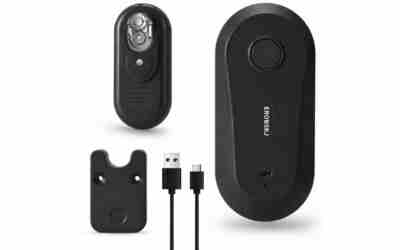
GLOGLOW 20Pcs Turkey Timer, Poultry Temperature Indicator
As an Amazon Associate we earn from qualifying purchases. Product prices and availability are accurate as of the date/time indicated.
Frequently Asked Questions
Should the thermometer touch the bone in a turkey?
No. Bone heats faster than meat, so a probe touching it can read falsely high. Keep the tip in the center of the meat. If a reading looks too high, back the probe out slightly and recheck.
Can I leave a meat thermometer in the turkey while it roasts?
Only if it is designed for it. Leave-in probes with a heat-safe cable or wireless design are made for the oven. A standard instant-read thermometer is not, and the plastic and electronics can be damaged by oven heat.
Is 165°F enough for turkey thighs, or do they need more?
165°F is the USDA safe minimum for all turkey meat, including thighs. Many cooks take thighs to 170–175°F because dark meat has more connective tissue and turns more tender, but that is a preference.
Why does my thermometer give different readings in different spots?
Turkeys cook unevenly, and the tip may be near bone, fat or the pan. Move the probe to a fresh spot and read again. Treat the lowest reliable reading as the real one and keep cooking until every spot reaches 165°F.
Do I need to check a turkey breast roast differently?
Yes, because there is no thigh or wing to check. Insert the thermometer into the thickest part of the roast, aimed at the center and away from any bone, and cook until it reads 165°F, the USDA minimum for turkey. If the roast is rolled or tied, check a second spot to be sure.
Can I check the temperature through the stuffing cavity opening?
Not as a substitute for the three spots. A probe pushed in through the cavity opening may read the stuffing or touch bone rather than the thigh meat. Check the thigh, breast and wing from the outside, then check the center of the stuffing separately if the bird is stuffed.
{“@context”: “https://schema.org”, “@type”: “FAQPage”, “mainEntity”: [{“@type”: “Question”, “name”: “Should the thermometer touch the bone in a turkey?”, “acceptedAnswer”: {“@type”: “Answer”, “text”: “No. Bone heats faster than meat, so a probe touching it can read falsely high. Keep the tip in the center of the meat. If a reading looks too high, back the probe out slightly and recheck.”}}, {“@type”: “Question”, “name”: “Can I leave a meat thermometer in the turkey while it roasts?”, “acceptedAnswer”: {“@type”: “Answer”, “text”: “Only if it is designed for it. Leave-in probes with a heat-safe cable or wireless design are made for the oven. A standard instant-read thermometer is not, and the plastic and electronics can be damaged by oven heat.”}}, {“@type”: “Question”, “name”: “Is 165°F enough for turkey thighs, or do they need more?”, “acceptedAnswer”: {“@type”: “Answer”, “text”: “165°F is the USDA safe minimum for all turkey meat, including thighs. Many cooks take thighs to 170–175°F because dark meat has more connective tissue and turns more tender, but that is a preference.”}}, {“@type”: “Question”, “name”: “Why does my thermometer give different readings in different spots?”, “acceptedAnswer”: {“@type”: “Answer”, “text”: “Turkeys cook unevenly, and the tip may be near bone, fat or the pan. Move the probe to a fresh spot and read again. Treat the lowest reliable reading as the real one and keep cooking until every spot reaches 165°F.”}}, {“@type”: “Question”, “name”: “Do I need to check a turkey breast roast differently?”, “acceptedAnswer”: {“@type”: “Answer”, “text”: “Yes, because there is no thigh or wing to check. Insert the thermometer into the thickest part of the roast, aimed at the center and away from any bone, and cook until it reads 165°F, the USDA minimum for turkey. If the roast is rolled or tied, check a second spot to be sure.”}}, {“@type”: “Question”, “name”: “Can I check the temperature through the stuffing cavity opening?”, “acceptedAnswer”: {“@type”: “Answer”, “text”: “Not as a substitute for the three spots. A probe pushed in through the cavity opening may read the stuffing or touch bone rather than the thigh meat. Check the thigh, breast and wing from the outside, then check the center of the stuffing separately if the bird is stuffed.”}}]}