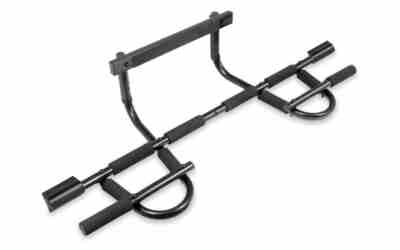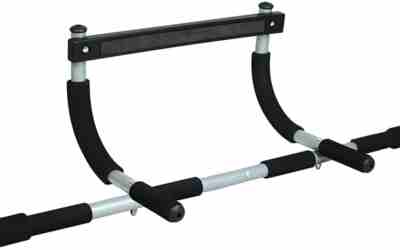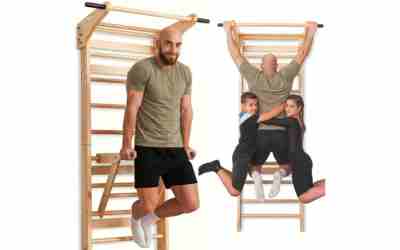

Not everyone can do a pull-up, and not everyone has room for a bar in the first place. The good news is that a pull-up is really just an outcome of back, bicep, and grip strength, all of which can be trained without ever hanging from anything. Here are the best no-equipment alternatives that build the same muscles a pull-up trains.
Inverted Rows Using a Table or Low Bar
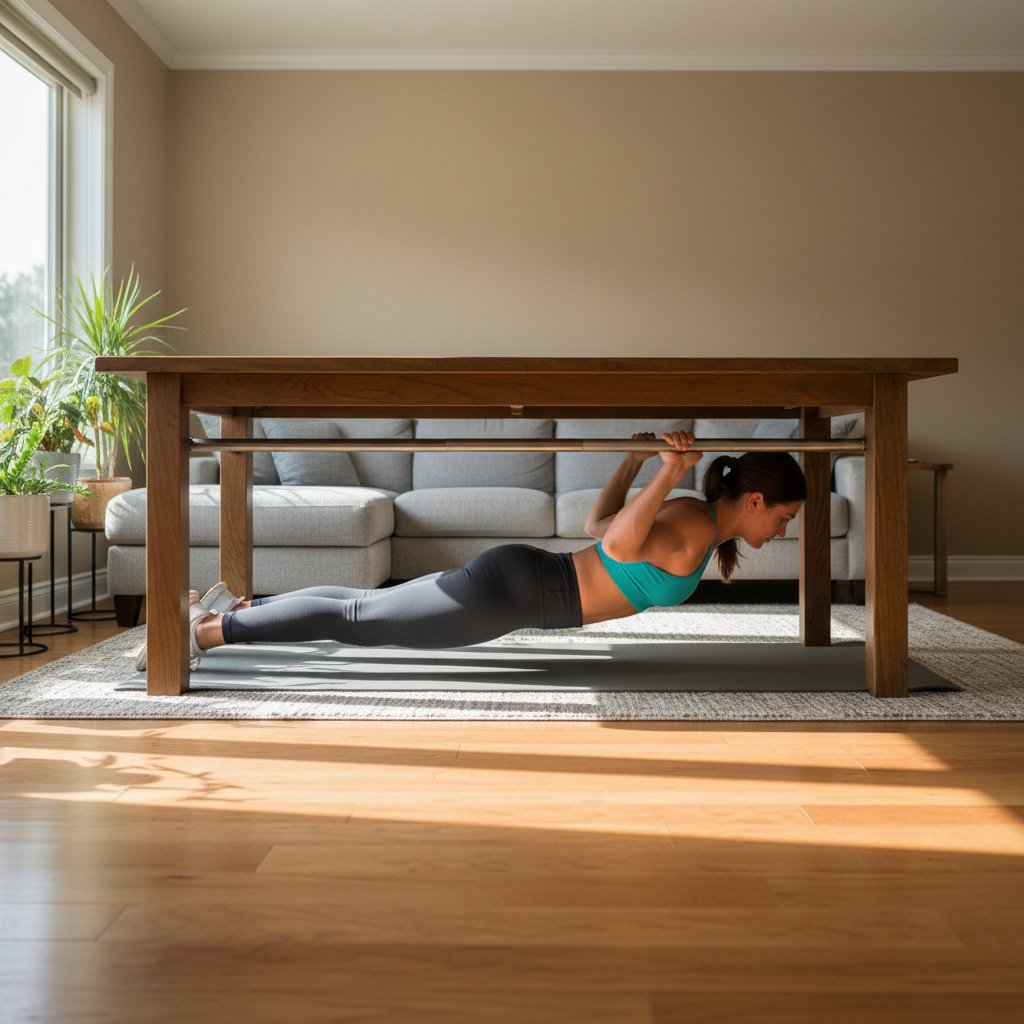
Lying under a sturdy table or low bar and pulling your chest up toward it is one of the closest bodyweight substitutes for a pull-up, since it trains the same back and bicep muscles through a similar pulling motion, just at an angle where your own bodyweight is easier to manage. Adjust the difficulty by changing your foot position: feet on the ground is easier, feet elevated on a chair is harder.
Towel Pulls Against a Door Frame
Loop a sturdy towel over the top of a solid door and pull yourself up against the resistance while bracing your feet against the door frame near the bottom. This builds real isometric pulling strength in the same muscle groups, though it should be treated as a strength-building exercise, not a substitute for actual bar work long term.
Superman Holds and Reverse Snow Angels
Lying face down and lifting your arms, chest, and legs off the floor, then sweeping your arms out to the sides and back, targets the same upper and lower back muscles that stabilize a pull-up. These are lower-intensity but genuinely useful for building the back endurance that supports pulling movements later.
Resistance Band Rows and Pull-Aparts
If you own even a single cheap resistance band, looping it around a doorknob or sturdy furniture leg and doing rows or straight-arm pull-aparts trains the same pulling pattern with adjustable, controllable resistance, which makes it easier to build volume than most other no-equipment options.
Frequently Asked Questions
Can I build real pull-up strength with zero equipment?
Yes, to a meaningful degree. Inverted rows and towel pulls both train the actual pulling pattern, not just supporting muscles, so consistent practice with these will translate reasonably well once you do have access to a bar.
How long before these alternatives help me do an actual pull-up?
It varies a lot by starting strength level, but most people who train these consistently two to three times a week see a noticeable difference within four to six weeks. Consistency matters more here than intensity.
Are these alternatives safe to do on a hollow door?
No. Towel pulls and any door-based pulling exercise should only be done on a solid-core door, never a hollow interior door, since a hollow door can crack or fail under sustained pulling load.
Should I still eventually get a pull-up bar?
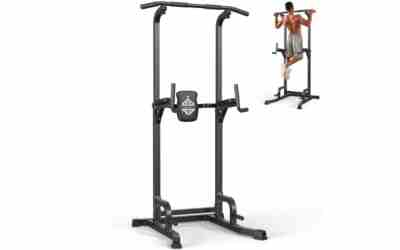
If space allows, yes. These alternatives build real strength, but nothing fully replicates the specific grip, shoulder, and full-hang mechanics of an actual pull-up bar once you are ready to progress to it.