
Yes, it is generally safe to drink tap water from a US public water system that meets EPA standards.
Is it safe to drink tap water from a public system?
Most US homes get water from a public system that must meet EPA standards under the Safe Drinking Water Act. EPA regulates more than 90 contaminants, and the CDC counts the US supply among the safest in the world.
Your glass can still differ from the utility’s report for three reasons:
- Your plumbing. Lead from old service lines, solder or fixtures gets in after the water leaves the treatment plant.
- Your source. EPA does not regulate private wells, so the owner is responsible for testing.
- Events. Main breaks, floods and treatment failures can trigger a boil-water advisory.
One-line rule: if you are on a public system, have no lead pipes or fixtures and no active advisory, the tap is a reasonable default. If any of those is a maybe, run the four checks below.
How to check if your tap water is safe: 4 steps
- Read your Consumer Confidence Report (CCR). Utilities must deliver it to customers by July 1 each year. Search your utility’s name plus “consumer confidence report” or look for it with your water bill. It lists what was detected, at what level, and any violations. EPA’s Safe Drinking Water Information System data and its ECHO lookup tool show a public system’s violation history. The EWG tap water database is a useful second look, but its health guidelines are stricter than legal limits, so a flagged contaminant may still be legal.
- Check your home for lead. Ask your utility whether your service line is lead; utilities must keep an inventory. Homes built before 1986 may also have lead solder or fixtures. Where the pipe enters near the meter, scratch it lightly with a key. Shiny, soft silver metal that a magnet does not grab may be lead, so call the utility to confirm.
- Test if you use a well or your CCR flags a concern. Use a state-certified lab; your state health department or county extension office can name one. CDC and EPA guidance is for well owners to test at least once a year, and again after flooding or a change in taste, smell or color.
- Know the warning signs. Cloudy, discolored or foul-smelling water, a sudden taste change, or a notice from the utility are all reasons to call the utility before drinking. A chlorine smell usually comes from disinfection, not contamination. Lead, PFAS, nitrates and arsenic have no taste or smell, so clear water proves nothing.
What can be wrong with tap water?
These are the problems that come up most, with the source of each:
- Lead: from pipes, solder and fixtures. EPA says no level is risk-free. The long-standing action level is 15 ppb, and the 2024 Lead and Copper Rule Improvements lower it to 10 ppb.
- PFAS: industrial "forever chemicals" from sources such as firefighting foam. EPA’s 2024 rule set limits of 4 parts per trillion for PFOA and PFOS, and its health goal is zero.
- Nitrates: mostly farm runoff, and mainly a private well concern.
- Arsenic: occurs naturally in groundwater in some regions.
- Disinfection byproducts: form when chlorine reacts with organic matter. They are regulated and listed in your CCR.
- Bacteria and parasites: usually tied to main breaks, flooding, treatment failures or untreated wells.
Your CCR covers the regulated items on this list for public systems. A private well has no such report, which is why the testing step above matters most there.
Is it safe to drink tap water in a home with lead pipes?
Not without precautions. A passing utility report covers water at the plant and in the mains, not the pipes inside your home, and children and pregnant women are the most vulnerable to lead.
- Drink and cook with cold water only. Hot water can pull more lead from plumbing, including water for formula.
- Flush after the water sits. After several hours unused, run the cold tap until it turns noticeably colder before drinking.
- Test at your tap. Use a state-certified lab, and ask your utility whether it offers testing.
- Filter with a certified product. Choose one certified to NSF/ANSI 53 for lead and replace cartridges on the label’s schedule.
Replacing a lead service line is the permanent fix. Ask your utility about replacement programs and whether the line is the utility’s or yours.
What to do during a boil-water advisory
An advisory means germs may be in the water. Follow your utility’s notice first, since details can differ by event.
- Bring water to a rolling boil and keep it there for 1 minute. Above about 6,500 feet, boil for 3 minutes.
- Let it cool covered, then store it in clean, covered containers.
- Use boiled or bottled water for drinking, brushing teeth, ice, washing produce, baby formula and pet water.
- Throw out ice made before or during the advisory.
- After the all-clear, flush taps and appliances the way your utility instructs.
Boiling handles germs only. It does not remove chemicals, so it is the wrong tool for the contaminants in the previous sections.
Which water filter fits your tap water?
Filter certifications apply to specific contaminants, not to the filter as a whole. Check the performance data sheet for the exact claim, and match it to what your CCR or lab test found.
| Concern | Certification to look for | Notes |
|---|---|---|
| Lead | NSF/ANSI 53 | Pitcher, faucet-mount, under-sink and fridge filters can all carry it |
| PFOA and PFOS | NSF/ANSI 53 or 58 with a PFOA/PFOS claim | Older labels may cite protocol P473; reverse osmosis falls under 58 |
| Chlorine taste and odor | NSF/ANSI 42 | Improves taste only |
| Cryptosporidium and Giardia cysts | NSF/ANSI 53 with a cyst claim | Read the data sheet for the cyst line |
| Nitrate and arsenic | NSF/ANSI 58 (reverse osmosis), or 53 where the label lists arsenic | Mostly a well-water issue |
| Bacteria and viruses | Purifier certified for microbiological reduction | A standard filter does not carry this claim |
Decision rule: buy for the contaminant on your report, not for the brand. If you want every tap treated, our whole-house water filter guide covers that option, but confirm what any whole-house system is certified to reduce.
Who is it safe to drink tap water for, and who should be careful?
Healthy adults on a compliant public system can drink from the tap. A few groups need extra steps:
- Infants: formula is mostly water, so use cold water and follow the lead steps above. Well water with high nitrates is dangerous for babies under 6 months, so test a well before using it for formula.
- Pregnant people: in an older home, ask your doctor about lead testing and use a lead-certified filter.
- Immunocompromised people: parasites such as Cryptosporidium pose a greater risk. Ask your doctor whether to boil water or use a cyst-certified filter, and follow every advisory strictly.
- Private well households: no agency tests your water for you, so the annual test in step 3 is your baseline.
Our Top Picks
Ready to shop? These are the top-rated options from our hands-on roundup, Best Whole House Water Filter of 2026.

PUREPLUS 5 Micron 10x4.5 Whole House Water Filter 2-Pack

Membrane Solutions 5 Micron 10x2.5 String Wound Sediment Filter 6-Pack
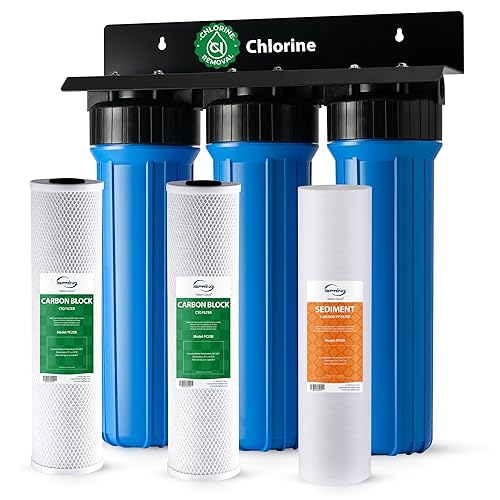
iSpring WGB32B 3-Stage Whole House Water Filter System
As an Amazon Associate we earn from qualifying purchases. Product prices and availability are accurate as of the date/time indicated.
Related reading: Pressure Cooker vs Pressure Canner: Which Is Safe to Can? · The Best Water for Sourdough of 2026
Frequently Asked Questions
Is bottled water safer than tap water?
Not automatically. FDA standards for bottled water are based on EPA’s tap limits, and some bottled water is treated tap water. For most households, a certified filter on a compliant tap costs less. Keep bottled water on hand for advisories.
Does boiling remove lead, nitrates or PFAS?
No. Boiling kills germs but does not remove chemicals, and as water evaporates the concentration of lead, nitrates or PFAS can rise slightly. Use a filter or treatment certified for that specific contaminant instead.
Is cloudy tap water safe to drink?
Milky water that clears from the bottom up within a minute or two is usually trapped air and harmless. Water that stays cloudy, looks brown or carries particles can signal sediment or a main problem, so call your utility first.
Can I trust a free home water test from a filter company?
Treat it as a sales demo, not a lab result. These kits typically measure hardness or chlorine and do not reliably detect lead, PFAS or bacteria. Use a state-certified lab and compare the results with your utility’s report.
Can I drink from a garden hose?
Only if the hose is labeled safe for drinking water. Standard garden hoses are not made for it, and water sitting in the hose can taste bad and pick up unwanted materials.
{“@context”: “https://schema.org”, “@type”: “FAQPage”, “mainEntity”: [{“@type”: “Question”, “name”: “Is bottled water safer than tap water?”, “acceptedAnswer”: {“@type”: “Answer”, “text”: “Not automatically. FDA standards for bottled water are based on EPA’s tap limits, and some bottled water is treated tap water. For most households, a certified filter on a compliant tap costs less. Keep bottled water on hand for advisories.”}}, {“@type”: “Question”, “name”: “Does boiling remove lead, nitrates or PFAS?”, “acceptedAnswer”: {“@type”: “Answer”, “text”: “No. Boiling kills germs but does not remove chemicals, and as water evaporates the concentration of lead, nitrates or PFAS can rise slightly. Use a filter or treatment certified for that specific contaminant instead.”}}, {“@type”: “Question”, “name”: “Is cloudy tap water safe to drink?”, “acceptedAnswer”: {“@type”: “Answer”, “text”: “Milky water that clears from the bottom up within a minute or two is usually trapped air and harmless. Water that stays cloudy, looks brown or carries particles can signal sediment or a main problem, so call your utility first.”}}, {“@type”: “Question”, “name”: “Can I trust a free home water test from a filter company?”, “acceptedAnswer”: {“@type”: “Answer”, “text”: “Treat it as a sales demo, not a lab result. These kits typically measure hardness or chlorine and do not reliably detect lead, PFAS or bacteria. Use a state-certified lab and compare the results with your utility’s report.”}}, {“@type”: “Question”, “name”: “Can I drink from a garden hose?”, “acceptedAnswer”: {“@type”: “Answer”, “text”: “Only if the hose is labeled safe for drinking water. Standard garden hoses are not made for it, and water sitting in the hose can taste bad and pick up unwanted materials.”}}]}