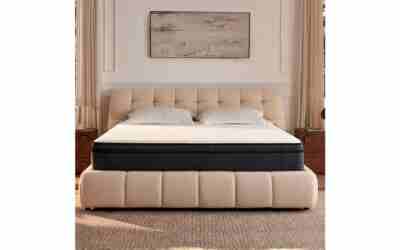
Mattresses turn yellow mainly because sweat and body oils soak through bedding, with spills, moisture and foam aging adding to it, and yellowing alone is usually cosmetic.
What Causes a Mattress to Turn Yellow
Most yellowing comes from one of five sources. Work out which one you have before you clean, because the fix differs.
Sweat and body oils
This is the most common cause. Sweat, skin oils and dead skin pass through thin sheets and build up in the top comfort layer. The stain usually appears as a broad, uneven yellow zone where your torso and hips rest.
Spills and bodily fluids
Urine, vomit, blood, drinks and sick-day accidents leave defined patches. Urine in particular tends to leave a sharp-edged yellow mark and a lingering smell.
Moisture and humidity
A damp room, a mattress on a solid platform with no airflow, or liquid that never fully dried can leave yellow-brown patches. Trapped moisture is also what lets mold start.
Aging of the foam itself
Polyurethane foam can slowly turn yellow through oxidation, a chemical reaction with air, and light speeds it up. This is a color change in the material, not dirt, so it can appear even on a mattress that has never been stained.
Sunlight
Ultraviolet light from a window can discolor exposed foam and fabric. It is rarely the main cause on a bed that stays covered.
Cosmetic Yellowing or a Real Problem? A Quick Diagnostic
Match what you see and smell to the table to decide whether you need to act.
| What you see or smell | Likely cause | What to do |
|---|---|---|
| Even, faint yellow on foam, no smell, no dampness | Foam oxidation | Cosmetic. Cover it with a protector if it bothers you. |
| Broad yellow zone where you sleep, slightly oily look | Sweat and body oils | Spot clean, then protect. |
| Sharp-edged patch, sour or ammonia smell | Urine or other fluid | Clean promptly with a cleaner made for that fluid. |
| Yellow-brown patch that feels cool or damp | Trapped moisture | Dry fully and find the moisture source. |
| Musty smell, black, green or white fuzzy spots | Mold or mildew | Treat as a health issue (see next section). |
Foam type matters too. Natural latex tends to darken toward amber or brown with age rather than turning bright yellow, and the exact look varies by model. If you are curious how different foam constructions age, see our memory foam mattress roundup for how they are built.
Is a Yellow Mattress Safe to Sleep On?
Yellowing by itself is not a health hazard. Oxidized foam and dried sweat stains are mostly an appearance issue, although old sweat and skin residue can feed dust mites and odor.
The answer changes when you find any of these:
- A musty or sour smell that returns after cleaning
- Black, green or fuzzy spots on the fabric, or on the underside of the mattress
- Damp patches that do not dry within a day or so with airflow
These point to mold, which can aggravate allergies and asthma. Surface mold on the cover may be treatable, but if it has reached the foam or springs, stop sleeping on the mattress. Mold inside a mattress is hard to remove reliably, so replacement is the safer choice, particularly for anyone with respiratory problems.
How to Clean Yellow Stains Out of a Mattress
Foam absorbs liquid like a sponge and dries slowly, so the goal is to use as little liquid as possible. Test any product on a hidden spot first, and check the care tag or manufacturer instructions, since some brands prohibit certain cleaners.
- Strip and wash the bedding following each item’s care label.
- Vacuum the surface with an upholstery attachment to lift dust and loose debris.
- Blot, don’t rub. Dampen a clean white cloth with a small amount of mild dish soap in cool water and dab the stain from the outside edge toward the center.
- Use an enzyme cleaner for urine or other bodily fluids. Follow the product label for contact time, since enzymes break down the source of the odor.
- Rinse by blotting with a cloth dampened with plain water. Do not pour or spray heavily.
- Dry completely. Press with dry towels, then let it air in a ventilated room, using a fan, before remaking the bed. Never cover a damp mattress.
Safety: Never mix bleach with ammonia or vinegar, since the combination can release toxic gases. Avoid bleach on mattresses generally, as it can weaken fabric and does not reach the stain inside. Keep the room ventilated while you work.
Cleaning will not reverse foam oxidation, because that discoloration is in the material itself.
How to Keep a Mattress From Turning Yellow Again
Prevention is mostly about keeping sweat, oils and liquid away from the mattress itself.
- Use a waterproof, breathable protector. It is the main barrier against sweat and spills. Look for a fabric that blocks liquid but still lets air move, so heat and moisture do not build up. Wash it according to its care label.
- Wash sheets regularly. Weekly is a common recommendation, using the hottest setting the care label allows.
- Air the mattress. Strip the bed and let it breathe for a while when you change the sheets, away from direct sunlight.
- Give it airflow underneath. Use a slatted or ventilated base rather than a closed surface, and keep humid rooms ventilated or dehumidified.
- Block UV. Keep the bed out of strong window light, or use curtains.
- Clean spills at once. Fresh liquid is far easier to remove than set stains.
Pillows and mattress pads yellow for the same reason, since they sit closest to sweat and skin oils. Using pillow protectors and washing pads on schedule slows it.
Warranty and When to Replace a Yellowed Mattress
Many manufacturers treat stains as a reason to refuse a warranty claim, even when the stain is not related to the defect. Read your warranty terms and note whether a protector was required.
If you may need to make a claim, photograph the mattress and any stains before cleaning, keep your receipt, and avoid products the warranty prohibits. Some warranties require a clean, stain-free mattress for inspection, so check before you act.
Replace the mattress when yellowing comes with mold, persistent odor, sagging, or pain and poor sleep, not for color alone. A mattress that is only discolored but still supportive can stay in use. To judge whether age is the real issue, see how long mattresses last by type.
Our Top Picks
Ready to shop? These are the top-rated options from our related roundup, Best Mattress In A Box of 2026.

Rresta CL14CYB Firm Queen Mattress 14 Inch Hybrid

BedStory 14 Inch Medium Firm Queen Hybrid Mattress

Grbsy 14 Inch Queen Hybrid Mattress with 7-Zone Support
As an Amazon Associate we earn from qualifying purchases. Product prices and availability are accurate as of the date/time indicated.
Frequently Asked Questions
Can I use baking soda or hydrogen peroxide on a yellow mattress?
Baking soda is safe to sprinkle on a dry surface, leave for several hours and vacuum up, and it helps with odor and moisture. Hydrogen peroxide can bleach fabric, so test a hidden spot first and never soak the foam.
Should I put a yellow mattress in the sun to bleach it?
No. Direct sunlight can speed up foam discoloration and fade the cover. Air the mattress indoors near an open window or fan instead, out of direct sun.
Why did the stain come back after I cleaned it?
Moisture left in the padding wicks back up to the surface as it dries, bringing the stain with it. Dry the mattress thoroughly with a fan, and if the stain returns with a musty smell, check for mold.
Does a yellow pillow mean my mattress is also affected?
Not necessarily. Pillows take the most direct contact with head sweat and oils, so they yellow first. Check the mattress surface separately and use a pillow protector going forward.
{“@context”: “https://schema.org”, “@type”: “FAQPage”, “mainEntity”: [{“@type”: “Question”, “name”: “Can I use baking soda or hydrogen peroxide on a yellow mattress?”, “acceptedAnswer”: {“@type”: “Answer”, “text”: “Baking soda is safe to sprinkle on a dry surface, leave for several hours and vacuum up, and it helps with odor and moisture. Hydrogen peroxide can bleach fabric, so test a hidden spot first and never soak the foam.”}}, {“@type”: “Question”, “name”: “Should I put a yellow mattress in the sun to bleach it?”, “acceptedAnswer”: {“@type”: “Answer”, “text”: “No. Direct sunlight can speed up foam discoloration and fade the cover. Air the mattress indoors near an open window or fan instead, out of direct sun.”}}, {“@type”: “Question”, “name”: “Why did the stain come back after I cleaned it?”, “acceptedAnswer”: {“@type”: “Answer”, “text”: “Moisture left in the padding wicks back up to the surface as it dries, bringing the stain with it. Dry the mattress thoroughly with a fan, and if the stain returns with a musty smell, check for mold.”}}, {“@type”: “Question”, “name”: “Does a yellow pillow mean my mattress is also affected?”, “acceptedAnswer”: {“@type”: “Answer”, “text”: “Not necessarily. Pillows take the most direct contact with head sweat and oils, so they yellow first. Check the mattress surface separately and use a pillow protector going forward.”}}]}