
Is a food processor worth it? Yes, if you shred, slice, or make dough or nut butter at least once a week. No, if most of your cooking is searing, simmering, and reheating. Below you’ll find a task-based test, a size guide by household, and the real costs in cleanup, counter space, and blade safety.
Is a food processor worth it? Use this 3-tier test
Count how many times a week you do a prep job that takes 10 minutes or more by hand. Examples: shredding a block of cheese, slicing several cups of vegetables, making pie or pizza dough, or turning nuts, chickpeas, or herbs into a paste. This is our rule of thumb, not a tested standard.
- 2 or more such jobs a week: buy a 9-14 cup processor. It will earn its counter space.
- About 1 job a week: a 3-cup mini chopper or a mid-size model is enough.
- Less than 1 job every two weeks: skip it. A box grater, a sharp knife, and a stick blender cover most of the same work.
Then check the cost per use. Take a hypothetical $100 machine used twice a week for 3 years: that is about 312 uses, or roughly 32 cents each. Used twice a month, the same machine costs about $1.39 per use. Plug in the real price of the model you’re considering.
One more filter: if the hand job takes under about 5 minutes, washing the parts cancels the time you save. That is one reviewer’s rule of thumb, but it matches how most kitchens work. Grating one carrot by hand is faster than washing a bowl, lid, and disc.
Which jobs does a food processor do better than a knife or blender?
A food processor wins on volume, uniformity, and thick or dry mixtures. A blender wins on liquids and smooth textures. A knife wins on small, one-off jobs.
| Task | Knife or grater | Blender | Food processor |
|---|---|---|---|
| Shred 1 lb block cheese | Slow, sore knuckles | Poor | Best |
| Slice 3+ cups cucumbers or potatoes | Slow, uneven | Not suited | Best |
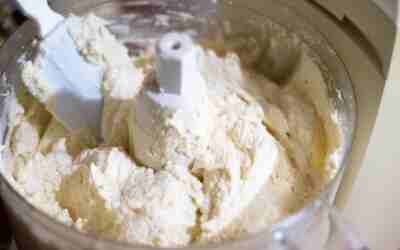
| Pie crust, biscuit dough | Pastry cutter works | Not suited | Best |
| Pesto, chimichurri | Chunky, slow | Needs extra oil, can turn pasty | Best |
| Hummus | Not practical | Works with extra liquid | Best for thick texture |
| Nut butter | Not practical | Only some high-power models | Works, takes several minutes |
| Hot soup, smoothies, shakes | Not applicable | Best | Poor |
| Mince one onion | Best | Poor | Overkill |
Shredding your own cheese is a common reason people buy one. Pre-shredded bags often contain anti-caking agents, so check the label.
Nut butter and dough depend on the model. Many manuals cap the flour amount for dough and warn about running time on thick mixtures, so check yours.
Who should skip a food processor?
Skip it if any of these describe you:
- You cook mostly one-pan meals, reheat, or order in.
- Your prep is mainly one onion, a few cloves of garlic, or a handful of herbs. A knife is faster.
- You mainly want protein shakes and smoothies. A blender is the right tool, because a processor can’t make a smooth, pourable shake.
- Your cabinets are full and you’d have to store it on a high shelf. Heavy gear you dread lifting stays unused.
Cheaper tools cover many tasks. A box grater handles cheese and a few carrots. A mandoline slices well but is sharp, so use the hand guard. A stick blender handles soups and some sauces right in the pot. A mini chopper handles onions, garlic, and herbs, and our KitchenAid food chopper review shows what a small one does. If your blending is for purees, see our guide to the best blender for pureeing food.
What size food processor do you need for 1-2, 3-4, or more people?
Match the bowl to the batch you cook most often, not to the biggest recipe you might make once a year.
| Household | Bowl size | Choose this if |
|---|---|---|
| 1-2 people | 3-cup mini, or about 7 cups | You chop, mince, and make small batches of dips or pesto |
| 3-4 people | 9-11 cups | You shred, slice, and make dough a few times a week |
| 5+ people or batch cooking | 14 cups | You make coleslaw for a crowd, big dough batches, or meal prep |
Stated capacity usually refers to dry food. Liquid capacity is lower, so check the manual’s max liquid line.
Examples to compare: the Cuisinart Mini-Prep Plus 3-cup for small jobs, the Ninja Professional Plus BN601 9-cup or Hamilton Beach 10-cup for mid-size, and the Cuisinart DFP-14BCNY 14-cup for large batches.
If you’re unsure, go one size up from your smallest need. A big bowl handles small jobs fine, but a small bowl can’t handle big ones.
What does a food processor cost you in cleanup, space, and safety?
Expect a motor base plus about five or six loose pieces: bowl, lid, pusher, blade, and one or two discs. Many parts are labeled top-rack dishwasher safe, but that varies by model and material, so check the manual. Hand-wash the blade and discs to protect the edges and your fingers.
Rinse fast: rinse the bowl and blade right after use, before cheese, dough, or nut butter dries on. Then wash or load the dishwasher once.
Storage is the other cost. The base takes counter space about the size of a large toaster oven or more, and the discs need a case or a spot inside the bowl. If it lives in a cabinet and you hate lifting it out, you’ll use it less.
Safety rules:
- Blades and slicing discs are very sharp. Hold them by the hub, never the edge.
- Unplug the machine before cleaning or changing parts.
- Never put hands or utensils in the bowl while it runs. Use the pusher.
- Don’t process boiling liquids. Steam pressure can cause leaks or burns. Let hot food cool, or work in small batches per the maker’s guidance.
- Stay under the max fill line and follow the maker’s run-time limits to avoid overheating the motor.
What should you look for in motor power and bowl features?
Watts matter, but they aren’t the whole story. Roundups list the Cuisinart 14-cup at about 720 W, the 11-cup at about 625 W, and the Cuisinart Mini-Prep Plus at about 250 W. These sources disagree on some details, so confirm on the maker’s site. More power helps with dough, hard cheese, and nut butter. Blade design and bowl shape also affect results.
- Pulse control: lets you chop without turning onions into mush.
- Wide feed tube: fewer cuts before slicing potatoes or tomatoes.
- Metal slicing and shredding discs: look for these on the model you’re considering. Disc sets vary a lot.
- Locking lid and bowl: the motor should not start unless both are locked.
- Dishwasher-safe parts and warranty: terms vary. Roundups disagree on the Cuisinart 14-cup warranty, so check the maker’s page.
Independent testers such as CNN Underscored and America’s Test Kitchen have both named a Cuisinart 14-cup their top pick, with the 11-cup Pro Custom as Best Buy at ATK. One reviewer estimates a cheaper model gives roughly 80% of a premium model’s benefit. That is an opinion, not a measurement, but it supports buying the mid-priced option unless you cook in large batches. If plastic contact with food worries you, see our guide to the best non-toxic food processor.
Quick checklist before you buy
- List the three prep jobs you dread most. If at least two are shredding, slicing, dough, or pastes, a processor fits.
- Estimate how many times a month you’d do them. Under four, a grater and stick blender are the better value.
- Pick the bowl size from the table above, and measure the cabinet or counter spot first.
- Confirm locking lid, pulse button, and which discs come in the box.
- Decide where you’ll wash it. If there is no dishwasher room, you’ll hand-wash six pieces.
Making baby food? A dedicated tool like the NutriBullet baby food-making system may suit you better than a full processor.
Our Top Picks
Ready to shop? These are the top-rated options from our hands-on roundup, Best Non Toxic Food Processor of 2026.

Ninja Mega Kitchen System BL770, 1500W Blender and Food Processor with 72-Oz Pitcher, 8-Cup Bowl, and 2 Nutri Ninja Cups

Ninja Professional Plus Food Processor BN601 9-Cup

Cuisinart DFP-14BCNY 14-Cup Food Processor
As an Amazon Associate we earn from qualifying purchases. Product prices and availability are accurate as of the date/time indicated.
Frequently Asked Questions
Can you put hot food in a food processor?
Let food cool first, and never process boiling liquids. Steam pressure can force liquid out of the lid and cause burns. If the maker’s manual allows warm food, work in small batches below the max liquid line.
Is a food processor better than a stick blender?
For shredding, slicing, and dough, yes. For soup, sauces, and smoothies made in the pot or a cup, a stick blender is simpler to clean and store. Choose by the jobs you do most often.
Can a food processor replace a stand mixer?
Only partly. Many processors handle pie crust, pizza dough, and biscuits in small batches. Heavy bread dough, whipped cream, and long kneading are better suited to a stand mixer. Check your manual for dough limits.
Do food processors make good nut butter?
Yes, in many models. Peanuts or roasted nuts usually take several minutes with pauses, and the motor may get warm. Some manuals limit run time on thick mixtures, so follow yours.
{“@context”: “https://schema.org”, “@type”: “FAQPage”, “mainEntity”: [{“@type”: “Question”, “name”: “Can you put hot food in a food processor?”, “acceptedAnswer”: {“@type”: “Answer”, “text”: “Let food cool first, and never process boiling liquids. Steam pressure can force liquid out of the lid and cause burns. If the maker’s manual allows warm food, work in small batches below the max liquid line.”}}, {“@type”: “Question”, “name”: “Is a food processor better than a stick blender?”, “acceptedAnswer”: {“@type”: “Answer”, “text”: “For shredding, slicing, and dough, yes. For soup, sauces, and smoothies made in the pot or a cup, a stick blender is simpler to clean and store. Choose by the jobs you do most often.”}}, {“@type”: “Question”, “name”: “Can a food processor replace a stand mixer?”, “acceptedAnswer”: {“@type”: “Answer”, “text”: “Only partly. Many processors handle pie crust, pizza dough, and biscuits in small batches. Heavy bread dough, whipped cream, and long kneading are better suited to a stand mixer. Check your manual for dough limits.”}}, {“@type”: “Question”, “name”: “Do food processors make good nut butter?”, “acceptedAnswer”: {“@type”: “Answer”, “text”: “Yes, in many models. Peanuts or roasted nuts usually take several minutes with pauses, and the motor may get warm. Some manuals limit run time on thick mixtures, so follow yours.”}}]}