
The right food processor size for most households is 9 to 11 cups. Choose 3 to 5 cups for one or two people who mostly chop, 7 cups if those one or two people also shred and slice, and 12 to 16 cups for five or more people or weekly batch cooking. Motor power and the usable fill line matter as much as the cup number.
Which food processor size fits your household?
Match the bowl to how many people you cook for and the jobs you do most. When two sizes fit, go larger only if you have the cabinet space and you make dough at least once a month or batch cook weekly.
| Household and habits | Bowl size | Why |
|---|---|---|
| 1-2 people; chopping onions, herbs, nuts, small sauces | 3-5 cups (chopper) | Small loads chop evenly in a small bowl |
| 1-2 people; chopping plus regular shredding and slicing | 7 cups | Adds a feed tube and discs without the bulk of a full-size unit |
| 3-4 people; weeknight cooking, slaw, shredded cheese, hummus | 9-11 cups | A family-size batch fits in one or two loads |
| 5+ people, or weekly batch cooking | 12-16 cups | Fewer batches and more room for large loads |
Tiebreaker inside the 9-11 range: pick 9 cups if storage is tight and you make dough less than once a month. Pick 11 cups if you make dough once a month or more.
Brands label sizes differently, so compare the cup numbers rather than the words small, medium or large.
What each size band can and can’t do
- Mini chopper (3-5 cups): good for mincing garlic, herbs and nuts, and for small sauces and dips. Many choppers lack a feed tube, so they often can’t shred or slice. They struggle with anything bigger than a few handfuls.
- Compact (7 cups): adds a feed tube and discs for light shredding and slicing. It suits one or two people, but dough and large batches push its limits.
- Mid-size (9-11 cups): the best fit for most homes. It covers slaw, shredded cheese, hummus, pie crust and a single loaf of dough. For a model in this class, see our Ninja Professional Plus BN601 9-cup review.
- Large (12-16 cups): built for batch cooking, large dough and big vegetable loads. The tradeoffs are size and storage, and small amounts can spread thin across a wide blade and chop unevenly.
A 14-cup unit isn’t too big for home use if you cook in bulk. It is more than most daily cooking needs.
Why the cup rating overstates what you can process
The cup number is the total bowl volume, not the amount you can safely process. Liquids and dough have lower limits. Liquid and flour limits vary by model; check the label or manual for your max liquid line and max flour weight.
Worked example (illustrative numbers): your manual lists a maximum of 360 g of flour for dough. A recipe calls for 500 g of flour. Divide 500 by 360 and you get about 1.39, so the recipe will not fit in one load. Split it into two batches of 250 g each, which is under the 360 g limit. If you make recipes like this often, compare flour limits before you compare cups.
- Liquids: the max liquid line is often well below the top of the bowl. Soups and purées must stay under it, or they can leak out around the lid or the center stem.
- Hot food: check your manual’s guidance on hot liquids, and let food cool slightly before processing. Hot liquid can spray or push past the seal.
- Dough: stay at or under the manual’s flour limit. Overloading dense dough can strain or overheat the motor.
- Dry chopping: fill to the max line in the manual, and work in batches rather than packing the bowl.
How many watts does a food processor need?
Wattage matters as much as bowl size for dense jobs. As a rule of thumb, look for about 700 watts or more if you knead dough once a month or more, grind hard cheese or process large batches. Smaller motors are fine for chopping, slicing and light shredding.
Check which number the maker lists. Some brands advertise peak watts, which is a brief maximum. Running watts, the power the motor sustains, are lower. Wattage is only a rough guide because motor design and blade shape also affect performance.
A well-built 9-cup model can handle dense food better than a weaker 14-cup unit. If dough is a main use, compare the manual’s flour limit before you compare cups. For a large-bowl example to compare against, see our Cuisinart DFP-14BCNY 14-cup review.
Check counter space, feed tube and attachments
Run through this checklist before buying:
- Height: measure from the counter to the underside of your upper cabinets. Use the spec sheet’s height with the pusher in place.
- Storage: if it won’t live on the counter, make sure the base and bowl fit in a cabinet you can reach without lifting over your head. Full-size bases are heavy.
- Feed tube: a wide tube takes whole potatoes, tomatoes and onion halves with less pre-cutting.
- Discs and blades: confirm the box includes a slicing disc, a shredding disc and a dough blade if you want them. Some models sell them separately.
- Nested bowls: some models include a smaller bowl that fits inside the main one, so one machine can handle small and large jobs.
Safety: unplug the machine before you handle or clean blades and discs, which are very sharp. Always use the food pusher, never your fingers, in the feed tube. Keep the motor base out of water and wipe it with a damp cloth, since it holds the electrical parts.
Should you buy a chopper, a mid-size processor, or both?
One mid-size 9-11 cup processor covers most kitchens. Add a 3-5 cup chopper only if you often mince a small amount, such as one clove of garlic or a handful of herbs. A big bowl handles those poorly, and a small bowl is faster to wash. Our Cuisinart Mini-Prep Plus 3-cup review covers a model in that class.
- Choose a chopper alone if you cook for one or two and never shred or slice.
- Choose a 7-cup if you cook for one or two and also shred and slice.
- Choose a mid-size alone if you cook for three or four and want one machine. Take 11 cups if you make dough once a month or more.
- Choose a large unit if you cook for five or more or batch cook weekly. Pair it with a chopper if small jobs annoy you.
If you mostly make smoothies and soups, you might not need either. Our guide on whether a blender can replace a food processor explains where a blender falls short.
Common mistakes:
- Buying by cup count without checking the dough and liquid limits.
- Buying a 14-cup unit for occasional mincing.
- Ignoring cabinet height and weight.
- Assuming the box includes every disc you want.
Our Top Picks
Ready to shop? These are the top-rated options from our hands-on roundup, Hamilton Beach 70730 10-Cup Food Processor Review 2026.
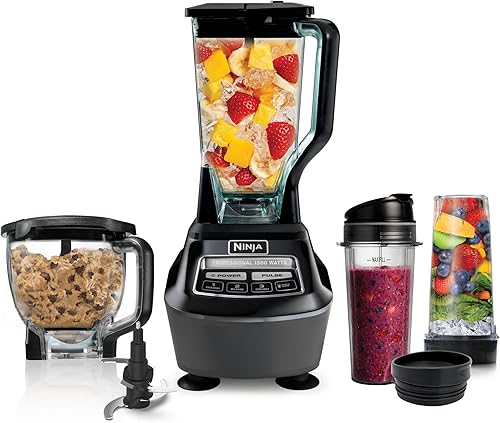
Ninja Mega Kitchen System BL770, 1500W Blender and Food Processor with 72-Oz Pitcher, 8-Cup Bowl, and 2 Nutri Ninja Cups

Cuisinart DFP-14BCNY 14-Cup Food Processor

Hamilton Beach 70730 10-Cup Food Processor
As an Amazon Associate we earn from qualifying purchases. Product prices and availability are accurate as of the date/time indicated.
Related reading: Can a Blender Replace a Food Processor? What It Can't Do · Can a Food Processor Grind Coffee Beans? How to Do It
Frequently Asked Questions
Does a bigger bowl chop small amounts worse?
Often, yes. A small amount spreads across a wide bowl and the blade can miss some of it, so pieces come out uneven. Pulse in short bursts and scrape the sides, or use a nested small bowl or a separate chopper for those jobs.
Can I wash the bowl in a dishwasher?
Some bowls and lids are dishwasher-safe and others are not, so check the manual for your model. Wash blades and discs carefully by hand with the handle or hub, since the edges are very sharp.
Is a nested mini bowl as good as a separate chopper?
It covers small jobs like garlic and herbs without a second appliance, but its capacity and blade design vary by model. A separate chopper is simpler if you mince small amounts every day.
Can I use a 7-cup processor for a recipe written for a bigger one?
Yes, if you split it into batches. Compare each batch to your manual’s liquid line and flour weight limit, not to the cup number. If you do this regularly, move up to 9 or 11 cups.
{“@context”: “https://schema.org”, “@type”: “FAQPage”, “mainEntity”: [{“@type”: “Question”, “name”: “Does a bigger bowl chop small amounts worse?”, “acceptedAnswer”: {“@type”: “Answer”, “text”: “Often, yes. A small amount spreads across a wide bowl and the blade can miss some of it, so pieces come out uneven. Pulse in short bursts and scrape the sides, or use a nested small bowl or a separate chopper for those jobs.”}}, {“@type”: “Question”, “name”: “Can I wash the bowl in a dishwasher?”, “acceptedAnswer”: {“@type”: “Answer”, “text”: “Some bowls and lids are dishwasher-safe and others are not, so check the manual for your model. Wash blades and discs carefully by hand with the handle or hub, since the edges are very sharp.”}}, {“@type”: “Question”, “name”: “Is a nested mini bowl as good as a separate chopper?”, “acceptedAnswer”: {“@type”: “Answer”, “text”: “It covers small jobs like garlic and herbs without a second appliance, but its capacity and blade design vary by model. A separate chopper is simpler if you mince small amounts every day.”}}, {“@type”: “Question”, “name”: “Can I use a 7-cup processor for a recipe written for a bigger one?”, “acceptedAnswer”: {“@type”: “Answer”, “text”: “Yes, if you split it into batches. Compare each batch to your manual’s liquid line and flour weight limit, not to the cup number. If you do this regularly, move up to 9 or 11 cups.”}}]}