
You usually don’t need to buy a box spring with a new mattress, because most foam and hybrid models need a solid or closely slatted base instead.
Do you need to buy a box spring with a new mattress?
Usually not. Foam, memory foam and most hybrid mattresses are designed for a firm, flat surface, and a flexible box spring can let them sag. The main exception is the innerspring mattress, the type most often paired with a box spring, and many of those can sit on a solid platform too.
A box spring is a fabric-covered wood frame with springs or a rigid grid inside. It raises the bed, absorbs some shock and keeps the mattress off the floor. A platform bed or a closely slatted frame does the same jobs.
Requirements depend on the brand and model, and the warranty has the final word. Some warranties name the exact base types they accept, and others only describe a firm, flat, well-supported surface. If you are still choosing a mattress, start with our guide on which mattress to buy.
One-line rule: pick the mattress first, read its foundation requirements, then keep or buy a base that meets them.
Which mattress types need a solid base and which can use a box spring?
Match the mattress construction to the base it was built for.
| Mattress type | Best base | Traditional box spring? |
|---|---|---|
| Memory foam or all-foam | Solid platform, closely spaced slats or a rigid foundation | Usually not advised; flexible springs let the foam sag into the gaps |
| Hybrid (coils plus foam) | Same as foam; many brands also accept a rigid foundation | Read the warranty; a flexible top is the usual problem |
| Latex | Solid platform or closely spaced slats | Read the warranty; latex is heavy, so a weak base shows quickly |
| Innerspring | Box spring, rigid foundation, platform or slats | Yes, the classic pairing, and optional when the warranty allows a platform |
Box spring vs. foundation
A traditional box spring has springs that flex under weight. A foundation has a rigid wood or metal top with no give. Many products sold as box springs today are really foundations, so read the product description. When a warranty asks for a solid or rigid base, a foundation is usually what it means.
What slat spacing and warranty rules keep your coverage valid?
Warranty terms are where the wrong base costs money. A base that does not meet the written requirements can lead to a denied claim, and terms differ by brand, so read yours rather than relying on a general rule.
- Slat spacing: foam and hybrid brands set a maximum gap between slats. Use the number in your warranty.
- Center support: queen and larger beds often need a center rail with a leg that reaches the floor.
- Rigid vs. flexible: some warranties require a solid or rigid surface and exclude flexible box springs under foam.
- Sag limit: sagging is typically covered only past a stated depth, so measure a dip before filing a claim.
- Weight rating: frames and adjustable bases list a maximum load. Follow the manual or label, and add the mattress weight to the weight of everyone who sleeps on it.
Save the warranty page and take a photo of your base when the mattress arrives. If a claim comes up, you can show the base met the written requirements.
When is an old box spring a bad idea?
Skip the old box spring in any of these cases:
- Sagging or dips: press along the edges and center. Uneven or soft spots will not support a new mattress.
- Damage: cracked wood, bent or poking springs, loose fabric hiding a broken frame, or new creaking.
- Age: a box spring past about 10 years may have lost support. Treat that as a rule of thumb, not a deadline.
- Foam or hybrid on a flexible top: the flex can cause uneven wear and may conflict with warranty terms.
- Wrong size: a box spring even slightly smaller than the mattress leaves the edges unsupported.
A sound box spring under an innerspring mattress is fine to keep if the warranty lists it. Under foam or hybrid, a rigid base is the safer match.
What are the alternatives to a box spring, and how do they compare?
Compare the same size across brands before buying, and confirm each option against your mattress warranty.
| Option | Height effect | Choose it if / where it loses |
|---|---|---|
| Platform bed or closely slatted frame | The frame is the base; nothing added | You are replacing the frame too. Loses if slat gaps exceed the warranty limit or a large bed lacks center support. |
| Bunkie board | Typically about 2 inches | Your slats are too wide or you want a low bed. Loses if you want extra height. |
| Foundation | Low-profile and standard heights, like box springs | The warranty asks for a rigid foundation. Loses to a platform bed if you also need a new frame. |
| Box spring (low-profile or standard) | Typically about 4-5 inches low-profile, 7-9 inches standard | You have an innerspring on a frame built for it. Loses under foam and on tall frames. |
| Adjustable base | Adds the base’s own thickness | You want head and foot lift. Loses on cost and mattress compatibility. |
Adjustable bases have a catch: the mattress has to bend with the base. See whether any mattress works with an adjustable base before pairing them.
How much does your bed base change the bed height?
Height is the main reason people swap a box spring for something thinner. Assume a 12-inch mattress on a frame whose support ledge sits 7 inches off the floor.
- With a 9-inch standard box spring, the sleeping surface is 7 + 9 + 12 = 28 inches high.
- With a 5-inch low-profile box spring, it is 7 + 5 + 12 = 24 inches.
- With a 2-inch bunkie board, it is 7 + 2 + 12 = 21 inches.
Swapping the base is the easiest way to lower a bed that feels too tall. Plug in your own frame height, base height and mattress thickness to see where your bed lands.
How to check your current bed base in 5 minutes
- Find the new mattress’s warranty or foundation section and note the slat gap, center support and flexible-base rules.
- Lift the old mattress with a second person and identify the base: hollow-center frame, slats, solid platform, box spring or adjustable base.
- On slatted frames, measure the gap between slats with a tape measure and compare it with the warranty number. Slats within the limit with center support mean you can keep the frame and skip the box spring. Wider gaps call for a bunkie board or a compliant platform base, if the warranty permits.
- On queen and larger beds, confirm there is a center rail with a leg that reaches the floor.
- On a hollow frame with an open center, add a foundation or platform support, since the mattress cannot rest on rails alone.
- On a box spring, press the edges and center, listen for creaks, and look under the dust cover for broken wood or bent springs. Keep it only if it passes and suits your mattress type.
Our Top Picks
Ready to shop? These are the top-rated options from our hands-on roundup, Best Mattress For Side Sleepers of 2026.

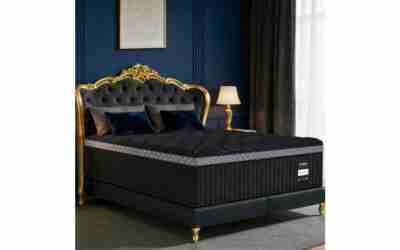
Sweetnight CoolNest 14 Inch King Size Cooling Memory Foam Mattress | Medium Feel, CertiPUR-US Certified, Pressure Relief

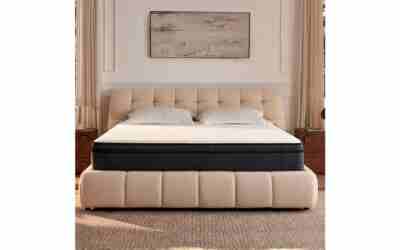
Sweetnight CoolNest Hybrid Queen Mattress 14 Inch

UniPon 14 Inch Queen Hybrid Mattress
As an Amazon Associate we earn from qualifying purchases. Product prices and availability are accurate as of the date/time indicated.
Frequently Asked Questions
Can I use a box spring on a platform bed?
Usually you don’t need to. A platform bed is built to hold the mattress directly, and adding a box spring raises the bed and adds flex. Check the frame and mattress instructions first. Decision rule: if the platform already meets the warranty, skip the box spring.
Do I need a box spring for a king?
Size does not create the requirement; the mattress type does. A king foam or hybrid needs the same rigid, well-supported base as smaller sizes, with center support. A king innerspring can use a box spring if the warranty lists one. Decision rule: match the base to the mattress, then confirm the center support.
Is a split box spring okay for a queen or king?
Yes, if the warranty accepts a split foundation. Two halves are easier to carry up stairs. Make sure both halves are the same height and sit snug together so the mattress does not dip along the center seam.
Does a mattress in a box need a different base than a store mattress?
No. Base requirements follow the mattress construction, not how it shipped. A foam or hybrid mattress delivered in a box needs the same solid or closely slatted support, so read that specific model’s warranty.
Can I put a bunkie board on top of a box spring?
It adds height without adding the rigid surface a foam mattress needs, because the flexible springs are still underneath. Use the bunkie board alone on the frame instead. Decision rule: one rigid layer under the mattress, not a stack.
{“@context”: “https://schema.org”, “@type”: “FAQPage”, “mainEntity”: [{“@type”: “Question”, “name”: “Can I use a box spring on a platform bed?”, “acceptedAnswer”: {“@type”: “Answer”, “text”: “Usually you don’t need to. A platform bed is built to hold the mattress directly, and adding a box spring raises the bed and adds flex. Check the frame and mattress instructions first. Decision rule: if the platform already meets the warranty, skip the box spring.”}}, {“@type”: “Question”, “name”: “Do I need a box spring for a king?”, “acceptedAnswer”: {“@type”: “Answer”, “text”: “Size does not create the requirement; the mattress type does. A king foam or hybrid needs the same rigid, well-supported base as smaller sizes, with center support. A king innerspring can use a box spring if the warranty lists one. Decision rule: match the base to the mattress, then confirm the center support.”}}, {“@type”: “Question”, “name”: “Is a split box spring okay for a queen or king?”, “acceptedAnswer”: {“@type”: “Answer”, “text”: “Yes, if the warranty accepts a split foundation. Two halves are easier to carry up stairs. Make sure both halves are the same height and sit snug together so the mattress does not dip along the center seam.”}}, {“@type”: “Question”, “name”: “Does a mattress in a box need a different base than a store mattress?”, “acceptedAnswer”: {“@type”: “Answer”, “text”: “No. Base requirements follow the mattress construction, not how it shipped. A foam or hybrid mattress delivered in a box needs the same solid or closely slatted support, so read that specific model’s warranty.”}}, {“@type”: “Question”, “name”: “Can I put a bunkie board on top of a box spring?”, “acceptedAnswer”: {“@type”: “Answer”, “text”: “It adds height without adding the rigid surface a foam mattress needs, because the flexible springs are still underneath. Use the bunkie board alone on the frame instead. Decision rule: one rigid layer under the mattress, not a stack.”}}]}