Mattresses are so expensive because materials, bulky shipping, retail overhead, marketing and warranties all stack onto one price. Some of those costs buy durability and some buy only a brand name. Dividing the price by the nights you will use the bed shows which is which.
Seven costs sit inside the sticker price
No independent source publishes a percentage split of materials, labor, marketing and retail margin, and brands’ own figures are self-reported. Treat any claim of an exact markup percentage as unverified.
What is well documented is the list of cost categories:
- Materials: foam, latex, steel coils, fabric and fire barrier.
- Factory labor and equipment: more layers and more components mean more assembly steps.
- Freight: a mattress is large and light for its volume, so it is costly to move.
- Retail overhead: showroom space, staff and sales commissions.
- Marketing: advertising and brand building, paid for by every buyer.
- Warranty and trial costs: defect claims and returns are budgeted into the price.
- Compliance: testing and labeling required for sale in the US.
The next sections cover what you can verify about each one.
How materials and layers raise or lower the price
Construction is the part of the price you can actually inspect, because it is on the spec sheet.
- Simple builds cost less. Budget mattresses are usually one- or two-layer designs, often around 6 to 10 inches tall.
- Foam density matters. Higher-density memory foam lasts longer than lower-density foam, which is why it costs more. Ask for density in pounds per cubic foot; a seller who will not disclose it is hiding the main durability spec.
- Latex costs more to make. Natural latex is a natural material that is complex to process, so it usually costs more than polyurethane foam. Blended or synthetic latex sits lower. See our latex mattress guide for how the types differ.
- Coils vary in labor. Basic connected-coil innersprings are the cheapest core. Individually wrapped (pocketed) coils take more labor to build.
- Hybrids stack costs. A hybrid combines a coil core with foam or latex comfort layers, so you pay for both systems plus the assembly.
More layers do not guarantee a better bed. A thick mattress with low-density foam can wear out faster than a thinner one with dense foam.
Retail markup, marketing and shipping: what is documented
Retail overhead is real. Showrooms carry rent, staff and commissions that online-only brands avoid, and direct-to-consumer sellers say that is why their in-store counterparts cost more. That is a seller’s claim, not an audited figure, and online brands pay for it elsewhere.
Marketing is built in. Brands that advertise heavily recover that spending through the price of each bed. You are paying for the name when two mattresses have the same disclosed materials and one costs far more.
Shipping is a genuine cost. Mattresses are bulky, which makes freight expensive. Compressing and rolling a bed into a box shrinks the shipping volume, but it does not remove the cost of delivery or of handling returns.
Anecdotal: viral claims that beds are marked up by some round-number multiple of the factory cost. No primary source supports a single industry-wide figure, so do not use one to judge a deal.
Tariffs and supply-chain costs on imported components can also move prices. How much depends on the model and where it is made.
Warranties, trials and certifications add cost too
A free sleep trial means the seller budgets for returns and spreads that cost across all buyers. A long warranty is also priced in, though it is worth less than it sounds. Warranties cover defects, not comfort, and they typically define a defect as a sag deeper than a stated number of inches. That threshold varies by maker, so read it before you buy.
Certifications also have a price. CertiPUR-US, OEKO-TEX and GREENGUARD labels show that foam or finished products met specific content or emissions tests, and the testing is paid for by the manufacturer.
Trap to avoid: every mattress sold in the US must meet the federal open-flame standard, 16 CFR 1633. Be wary of very cheap unbranded imports with no compliance label. Savings are not worth a bed with no verifiable safety paperwork.
Cost per night: the fair way to judge the price
The formula is price ÷ (years of use × 365) = cost per night. The prices and lifespans below are example figures chosen for the arithmetic, not market averages. For real lifespan ranges by type, see how long mattresses last.
| Example bed | Price | Years of use | Nights | Cost per night |
|---|---|---|---|---|
| Budget | $600 | 4 | 4 × 365 = 1,460 | $600 ÷ 1,460 = $0.41 |
| Mid-range | $1,200 | 8 | 8 × 365 = 2,920 | $1,200 ÷ 2,920 = $0.41 |
| Premium | $2,000 | 12 | 12 × 365 = 4,380 | $2,000 ÷ 4,380 = $0.46 |
Decision rule: a bed that costs twice as much only breaks even if it lasts twice as long. The $1,200 bed ties the $600 bed because it doubles the years. The $2,000 bed costs more per night even at 12 years.
The math fails if the bed does not suit you. A cheap bed you sleep badly on still costs you. If two people share it, divide the nightly figure by two.
How to pay less without sleeping worse
- Time your purchase. Mattress discounts are common around major holiday weekends such as Presidents Day, Memorial Day, Labor Day and Black Friday. Discounts depend on the retailer.
- Test the “sale.” A permanent markdown from an inflated list price is not a deal. The FTC’s pricing guides say a former price used for comparison should be a genuine price the item was actually sold at. Compare the same model at several sellers.
- Choose firmness first, price second. Pick the firmness that fits your sleep position, then compare only mattresses in that range.
- Pay for the core, not extras. Foam density and construction affect durability. Fancy covers and add-on features are marketing-heavy and easy to skip.
- Use the trial. Sleep on it for the full adjustment period and return it if it fails. Read the return terms for fees first.
If your budget is tight, our affordable mattress guide covers lower-priced options.
Our Top Picks
Ready to shop? These are the top-rated options from our related roundup, Best Sales On Mattresses of 2026.

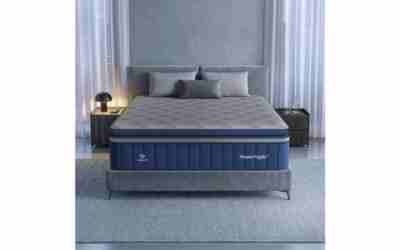
Vorpxin Queen 12 Inch Hybrid Mattress
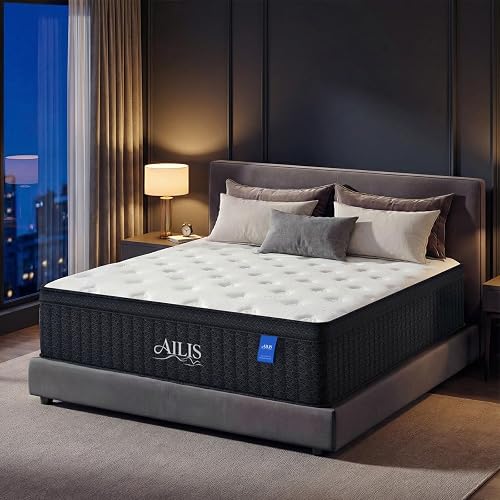
Ailis Queen Mattress 12 Inch Hybrid
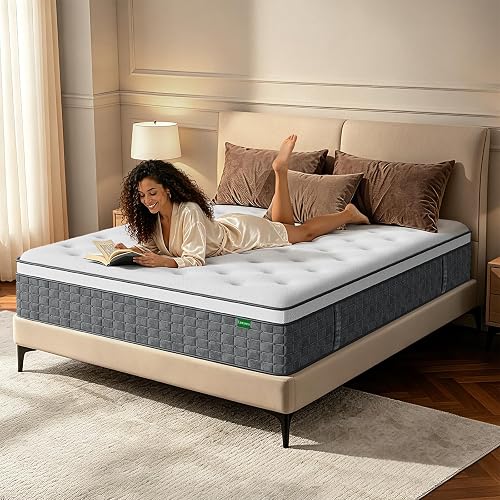
LUXYSEA Queen Mattress 12 Inch Medium Firm
As an Amazon Associate we earn from qualifying purchases. Product prices and availability are accurate as of the date/time indicated.
Frequently Asked Questions
Can a mattress topper replace buying a new mattress?
A topper changes the surface feel but cannot fix a sagging core or broken coils. It makes sense only when the mattress underneath is still structurally sound and you just want it softer.
Is a pricier mattress better for back pain?
No. Price does not measure support. Firmness that keeps your spine neutral in your sleep position matters more, and the trial period is the way to confirm it.
How do I split the cost per night for a couple?
Divide the nightly figure by two. Using the example above, $1,200 over 8 years is $0.41 per night, so each partner pays about $0.21.
Do tariffs make mattresses more expensive?
Tariffs can raise the cost of imported foam, steel and finished beds. The effect on a given mattress depends on where its parts and assembly come from, so no single industry-wide increase applies.
{“@context”: “https://schema.org”, “@type”: “FAQPage”, “mainEntity”: [{“@type”: “Question”, “name”: “Can a mattress topper replace buying a new mattress?”, “acceptedAnswer”: {“@type”: “Answer”, “text”: “A topper changes the surface feel but cannot fix a sagging core or broken coils. It makes sense only when the mattress underneath is still structurally sound and you just want it softer.”}}, {“@type”: “Question”, “name”: “Is a pricier mattress better for back pain?”, “acceptedAnswer”: {“@type”: “Answer”, “text”: “No. Price does not measure support. Firmness that keeps your spine neutral in your sleep position matters more, and the trial period is the way to confirm it.”}}, {“@type”: “Question”, “name”: “How do I split the cost per night for a couple?”, “acceptedAnswer”: {“@type”: “Answer”, “text”: “Divide the nightly figure by two. Using the example above, $1,200 over 8 years is $0.41 per night, so each partner pays about $0.21.”}}, {“@type”: “Question”, “name”: “Do tariffs make mattresses more expensive?”, “acceptedAnswer”: {“@type”: “Answer”, “text”: “Tariffs can raise the cost of imported foam, steel and finished beds. The effect on a given mattress depends on where its parts and assembly come from, so no single industry-wide increase applies.”}}]}