
Partly. Using a blender instead of a food processor works for purées, soups, sauces, smooth dips and pulsed salsa or pesto, but not for slicing, shredding, or kneading dough. If most of your cooking is wet and smooth, the blender you own is probably enough. If you chop and shred a lot, it isn’t.
Can you use a blender instead of a food processor?
Yes for wet, smooth jobs. No for dry, chunky, sliced, or shredded ones. That is the whole rule: wet and smooth goes in the blender; dry, chunky, sliced, or shredded needs a food processor.
A blender is built to pull food down into a blade and turn it into liquid. A food processor is built to cut food into pieces and stop. Those are different goals, so the overlap is real but limited.
Jobs a blender handles well:
- Soups, sauces, and purées
- Smooth dips such as hummus (with added liquid)
- Pesto and salsa, if you pulse instead of run continuously
- Crushing ice and making smoothies
Jobs a blender does poorly or can’t do:
- Slicing and shredding (cheese, cabbage, carrots, potatoes)
- Kneading bread dough
- Chopping dry or chunky food evenly
- Grinding raw meat
What is the difference between a blender and a food processor?
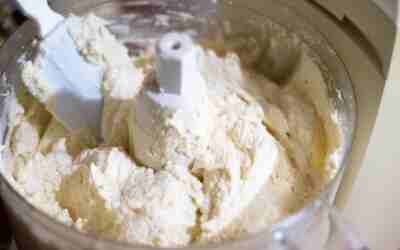
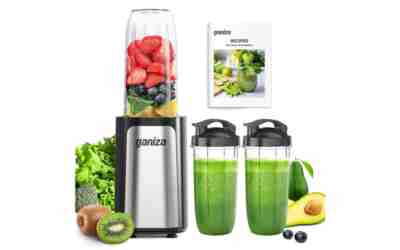
The shape of the container and the blades are the two big differences. A blender has a tall, narrow jar with one fixed blade at the bottom. Spinning liquid creates a vortex that pulls food down toward that blade, which is why blenders need liquid to work well. A food processor has a wide, short bowl and swappable blades and discs, so it can chop, slice, shred, and mix dough without added liquid.
| Blender | Food processor | |
|---|---|---|
| Container | Tall, narrow jar | Wide, short bowl |
| Blades | Usually one fixed blade assembly | S-blade plus slicing and shredding discs; some add a dough blade |
| Needs liquid? | Yes, for the vortex to work | No |
| Typical capacity | About 48 to 72 oz jars on full-size models (varies by model) | 3-cup minis up to 14-cup full-size bowls (varies by model) |
| Best at | Liquids, smooth textures, ice | Chopping, shredding, slicing, dough |
| Loses at | Even chopping, shredding, dough | Silky smoothies and fine soups |
That tall jar causes the main problem when you try to chop. Food near the blade is pulverized while food at the top barely moves. A shorter bowl keeps everything close to the blade, so pieces come out more even.
Power doesn’t close this gap. A high-wattage blender spins faster, but speed does not add a slicing disc. Also, manufacturers often list peak horsepower, which overstates what the motor delivers during real use. For help choosing a strong blender, see our best blenders roundup.
Which food processor jobs can a blender do?
Here is a task-by-task verdict. Pulse counts are rough starting points, not tested results, and your blender’s jar size and motor will change them.
| Task | Verdict | How to make it work |
|---|---|---|
| Purées and soups | Yes | Blender is usually better than a processor here |
| Hummus | Yes, with tweaks | Add liquid (water, lemon juice, olive oil); use a tamper or stop and stir |
| Pesto | Yes, with tweaks | Garlic and nuts first, then basil and oil; pulse |
| Salsa | Yes, with tweaks | Pulse firm onions and peppers first, add soft tomato or mango last |
| Mayonnaise | Yes | Drizzle oil slowly through the lid opening |
| Nut butter | Only on strong blenders | Small batch, tamper, rest breaks; dry nuts won’t grind finely without some liquid or oil |
| Chopping onions or nuts | Fair | Cut into rough 1-inch pieces, pulse in 1-second bursts, small batches |
| Cauliflower rice | Partly | Small florets, a little water, a few pulses, then drain well |
| Shredded cheese or slaw | No | Use a box grater or knife |
| Slicing | No | Use a knife or mandoline |
| Pizza dough or pie crust | Risky | Some blender makers publish dough and biscuit methods, but check your manual first |
| Ground meat | No | Chop by hand or buy ground meat |
On dough, one major blender maker’s method adds the liquids first, layers the dry ingredients on top, and pulses until the dough pulls away from the jar sides. For biscuits it blends cold butter into flour until coarse. That works only on models approved for it. Thick dough can strain a motor, and using it outside the manual may void your warranty.
How do you make a blender chop instead of liquefy?
Control the amount, the liquid, and the blade time. Most mush comes from running the blender continuously.
- Cut food into uniform pieces about 1 inch across. Big chunks hit the blade unevenly.
- Work in small batches. A jar filled about a third full or less chops more evenly than a packed one. Your manual may give its own limit.
- Add liquid when the recipe allows. Even a few tablespoons helps the vortex pull food down. For salsa, the tomato juice does this job.
- Layer by firmness. Put firm items (onion, peppers, nuts) in first and pulse them, then add soft items (tomato, mango, herbs) last.
- Pulse in 1-second bursts and check after every few. Stop as soon as the texture is close; it keeps changing for a moment after.
- Stop the machine and move food around with a spatula when the top layer sits untouched. Use the tamper only if your model includes one and the lid is secure.
Common mistake: blending a thick mixture continuously until it “catches.” That can overheat the motor. Pause between rounds, and if the blender smells hot or slows sharply, stop and let it cool.
For chunky salsa in particular, a model with good pulse control matters. Our best blender for salsa guide covers that.
Safety:
- Never put your hand or a utensil in the jar while the blade is moving. Unplug the blender before clearing a jam or cleaning.
- Hot liquids in a sealed jar can build pressure and spray out. Vent the lid, start on low, and fill the jar only part way.
- Blades are sharp. Handle the blade assembly carefully when washing.
What cheaper tools can replace a food processor?
For occasional use, simple tools often beat forcing a blender to do a job it wasn’t designed for.
| Tool | Good for | Where it loses |
|---|---|---|
| Chef’s knife | Chopping, mincing, slicing | Slow for large volumes |
| Box grater | Shredding cheese and vegetables | Harder on hands, messier |
| Mortar and pestle | Pesto, guacamole, spice pastes | Small batches only |
| Stand mixer | Bread dough, pie crust (with a pastry cutter or cold butter) | Doesn’t chop or shred |
| Immersion blender | Soups, sauces, mayo, in the pot | Not for chopping dry food |
| Mini chopper | Onions, herbs, nuts in small amounts | Tiny capacity |
An immersion blender is a good match if soups and sauces are your main use; see our immersion blender recipes for ideas. If you mostly need quick chopping, a compact option like the KitchenAid food chopper costs less and takes less counter space than a full-size processor.
When is a food processor worth buying?
Buy one if you do any of these at least a couple of times a month: shred cheese or vegetables, make slaw, knead dough, chop large amounts of onions or nuts, or make nut butter regularly. Skip it if you mostly make smoothies, soups, and sauces.
Decision rule: list what you cooked in the last month that needed chopping, shredding, or dough. If it’s only one or two dishes, use a knife and grater. If it’s a regular habit, a processor saves real time. Our food processor worth-it guide walks through that choice in more detail.
If you decide to buy, match size to how you cook:
- Small households, light chopping: a 3-cup unit such as the Cuisinart Mini-Prep Plus.
- Everyday cooking with a mid-size bowl: the Ninja Professional Plus BN601 9-cup.
- Large batches, dough, and family meals: the Cuisinart DFP-14BCNY 14-cup.
Check each product’s specs and attachments before you buy, because bowl size, discs, and dough capacity vary by model.
Our Top Picks
Ready to shop? These are the top-rated options from our hands-on roundup, Best Non Toxic Food Processor of 2026.

Ninja Mega Kitchen System BL770, 1500W Blender and Food Processor with 72-Oz Pitcher, 8-Cup Bowl, and 2 Nutri Ninja Cups

Ninja Professional Plus Food Processor BN601 9-Cup

Cuisinart DFP-14BCNY 14-Cup Food Processor
As an Amazon Associate we earn from qualifying purchases. Product prices and availability are accurate as of the date/time indicated.
Frequently Asked Questions
Can I make pizza dough or pie crust in a blender?
Some blender makers publish dough and biscuit methods, but not every model is rated for it. Thick dough strains motors and may void your warranty. Check your manual first. If it’s not approved, use a stand mixer or knead by hand.
Can a blender shred cheese or vegetables?
No. A blender has no shredding disc, so cheese and vegetables turn to paste or crumbs unevenly. Use a box grater, or a food processor with a shredding disc for larger amounts.
Is a high-power blender as good as a food processor?
Not for chopping, slicing, or shredding. More power makes a blender better at smooth purées and some nut butters, but it adds no discs and doesn’t fix the tall jar’s uneven chopping. Peak horsepower ratings also overstate real motor output.
Can I make hummus or nut butter in a blender instead?
Hummus works in a blender if you add enough liquid and stir or use the tamper. Nut butter is harder and works mainly in strong blenders, in small batches with rest breaks. Dry nuts won’t grind finely without some liquid or oil.
{“@context”: “https://schema.org”, “@type”: “FAQPage”, “mainEntity”: [{“@type”: “Question”, “name”: “Can I make pizza dough or pie crust in a blender?”, “acceptedAnswer”: {“@type”: “Answer”, “text”: “Some blender makers publish dough and biscuit methods, but not every model is rated for it. Thick dough strains motors and may void your warranty. Check your manual first. If it’s not approved, use a stand mixer or knead by hand.”}}, {“@type”: “Question”, “name”: “Can a blender shred cheese or vegetables?”, “acceptedAnswer”: {“@type”: “Answer”, “text”: “No. A blender has no shredding disc, so cheese and vegetables turn to paste or crumbs unevenly. Use a box grater, or a food processor with a shredding disc for larger amounts.”}}, {“@type”: “Question”, “name”: “Is a high-power blender as good as a food processor?”, “acceptedAnswer”: {“@type”: “Answer”, “text”: “Not for chopping, slicing, or shredding. More power makes a blender better at smooth purées and some nut butters, but it adds no discs and doesn’t fix the tall jar’s uneven chopping. Peak horsepower ratings also overstate real motor output.”}}, {“@type”: “Question”, “name”: “Can I make hummus or nut butter in a blender instead?”, “acceptedAnswer”: {“@type”: “Answer”, “text”: “Hummus works in a blender if you add enough liquid and stir or use the tamper. Nut butter is harder and works mainly in strong blenders, in small batches with rest breaks. Dry nuts won’t grind finely without some liquid or oil.”}}]}