
Yes, a food processor can grind coffee beans, but the result is a coarse, uneven grind that suits French press and cold brew, not espresso. Pulse about ¼ cup of beans (roughly 30 g) in 1–3 second bursts, shake the bowl between bursts, and stop before the grounds turn to dust.
Can a food processor grind coffee beans for French press, drip or espresso?
It handles coarse grinds well enough, medium grinds with some extra work, and fine grinds poorly. The spinning blade chops beans instead of crushing them to a set size, so you get a mix of chunks and powder.
Here is how each brew method holds up:
| Brew method | Grind needed | Food processor result |
|---|---|---|
| Cold brew | Coarse | Good. A long steep forgives uneven particles. |
| French press | Coarse | Good, if you sift out the fine powder. |
| Drip machine | Medium | Fair. Needs short pulses and sifting. |
| Moka pot | Medium-fine | Marginal. Fines can clog the filter basket. |
| Pour-over | Medium to medium-fine | Poor. Water flow depends on even particles. |
| Espresso | Fine and very uniform | Not realistic. |
Pour-over shows uneven grounds the most, because flow through the bed depends on particle size. If that is your daily method, check our best pour-over coffee makers and plan on a real grinder.
Why the grind is uneven and what it does to flavor
A food processor blade is larger and set farther from the bowl wall than the blade in a coffee grinder. Fine powder collects at the bottom while whole or half beans stay on top, out of reach of the blade.
A burr grinder works differently. It crushes beans between two textured surfaces set a fixed distance apart, so particles come out close to the same size. A blade grinder is closer to your food processor: it chops, so its grind is uneven too, just in a smaller, tighter chamber.
Uneven particles change the cup in two ways:
- Fine powder over-extracts and tastes bitter or harsh.
- Large chunks under-extract and taste sour or thin.
Heat is the second problem. A blade that runs continuously warms the beans and can start to melt their oils, which dulls the aroma and adds bitterness. Short pulses give the motor and the beans time to rest.
How to grind coffee beans in a food processor, step by step
- Start clean and dry. Unplug the machine, fit the metal blade, and make sure the bowl and lid are completely dry. Water turns ground coffee into paste.
- Measure a small batch. Use about ¼ cup of beans, roughly 30 g. Too few beans scatter and miss the blade, and too many leave a layer on top that never gets cut. The sweet spot varies by bowl size and model. A small bowl, like the one on the Cuisinart Mini-Prep Plus 3-cup, keeps beans near the blade. In a large 11- to 14-cup bowl, grind several small batches instead of one big one.
- Lock the lid and keep hands clear of the feed tube.
- Pulse in bursts of 1–3 seconds. Aim for roughly 20–30 seconds of total running time, adjusted to your machine. Never hold the button down.
- Shake or tilt the base (with the lid locked) between bursts so the chunks drop back toward the blade.
- Check after about 10 pulses. Stop when the pieces look like the target size in the table below.
- Wait 30 seconds after the blade stops so the coffee dust settles, then open the lid.
- Sift and brew soon. See the next section for sifting. Ground coffee loses aroma fast, so grind only what you will brew.
Safety: unplug the machine before you reach in. Lift the blade by its center hub, not the edge, and never open the lid until the blade has fully stopped. Don’t use a cracked bowl or lid.
Batch size, pulse timing and sifting for a more even grind
No single pulse count works for every model, because motor speed and blade shape differ. Treat these as starting points, then adjust by eye.
| Brew method | Beans per batch | Starting pulse pattern | What it should look like |
|---|---|---|---|
| Cold brew | About 30 g | 8–12 pulses of 2–3 seconds | Coarse, like raw sugar or sea salt |
| French press | About 30 g | 10–15 pulses of 1–2 seconds | Coarse, like sea salt, with little powder |
| Drip | About 30 g | 15–20 pulses of about 1 second | Medium, like coarse sand; sift before brewing |
Worked example: for French press at a common 1:15 coffee-to-water ratio, 30 g of beans pairs with 450 g of water, about 15 fl oz. That is roughly one large mug, so one batch covers one serving.
A simple sifting step
- Set a fine-mesh kitchen strainer over a bowl.
- Pour in the grounds and shake gently. Powder falls through.
- Return the chunks left in the strainer to the processor and give them 2–3 short pulses.
- Repeat once. Brew the middle-sized grounds.
Use the fine powder in a separate cup of strong coffee, or save it for baking. Adding it to a French press makes the cup muddy and bitter.
Common mistake: pulsing until it looks uniform. By the time the last chunks break down, most of the rest is dust. Stop early and sift instead.
Will coffee beans damage the blade or leave a smell in the bowl?
A few batches will not harm a stainless steel blade, and coffee beans are not abrasive enough to dull it noticeably. Smaller, low-power choppers may strain on hard beans, so check your manual for limits on hard foods. If it says not to process them, use another method.
The bigger issue is oil. Coffee oils soak into plastic bowls and lids, and old residue can turn rancid and flavor your next batch of hummus or pesto. Clean right after grinding:
- Brush out loose grounds with a dry brush or paper towel.
- Wash the bowl, lid and blade in hot soapy water. Use a bottle brush for the blade hub.
- If a smell remains, rub a paste of baking soda and water onto the plastic, wait 10 minutes, and rinse. A soak in a 1:1 mix of white vinegar and water also works.
- Dry fully and leave the lid off for a few hours so the bowl airs out.
Many bowls are dishwasher-safe on the top rack, but follow your manual. Wipe the motor base with a damp cloth only, and never submerge it.
Other ways to grind coffee without a grinder
- Blender: Works like a food processor, with the same uneven results. Use short pulses and a small batch. See our guide on whether a blender can replace a food processor for what each does well.
- Mortar and pestle: Slow, but it crushes instead of chops, so the grind is more even. It suits coarse grinds and small amounts.
- Rolling pin: Seal beans in a zip bag, wrap it in a towel, and crack them with firm presses. This works for cold brew and French press, and nothing else.
All of these are stopgaps. None gets you to an even medium-fine grind.
When a dedicated coffee grinder is worth buying
Decision rule: if you brew coffee more than a few times a week, or you use pour-over, a moka pot or espresso, buy a grinder. If you make French press or cold brew now and then, your food processor is fine.
- Blade grinder: The cheapest option. It also chops unevenly, but its small chamber keeps beans near the blade, so it is usually easier to control than a large processor bowl.
- Burr grinder: Needed for consistent medium and fine grinds. Espresso needs a burr grinder with fine adjustment.
- Bean-to-cup machine: Many include a built-in grinder. See our best fully automatic coffee machines if you want grinding and brewing in one appliance.
Where each option loses: the food processor is inconsistent and messy to clean, the blade grinder is still uneven, and the burr grinder costs more and takes counter space.
Our Top Picks
Ready to shop? These are the top-rated options from our hands-on roundup, Best Non Toxic Food Processor of 2026.
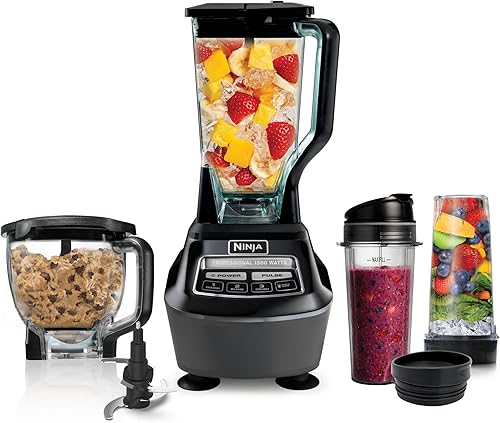
Ninja Mega Kitchen System BL770, 1500W Blender and Food Processor with 72-Oz Pitcher, 8-Cup Bowl, and 2 Nutri Ninja Cups

Ninja Professional Plus Food Processor BN601 9-Cup

Cuisinart DFP-14BCNY 14-Cup Food Processor
As an Amazon Associate we earn from qualifying purchases. Product prices and availability are accurate as of the date/time indicated.
Frequently Asked Questions
Can I grind coffee beans for espresso in a food processor?
Not in any way that gives good espresso. Espresso needs a fine, very even grind, and a food processor leaves chunks and powder together. The shot will pull unevenly, tasting both sour and bitter. Use a burr grinder, or buy pre-ground espresso.
Can I grind a whole bag of beans at once?
Not well. Large loads leave beans stuck above the blade and grind unevenly. Ground coffee also loses aroma quickly, so work in batches of about ¼ cup and grind only what you will brew within a day.
Why does my coffee taste bitter and sour at the same time?
That usually means an uneven grind. Fine powder over-extracts and tastes bitter, while large chunks under-extract and taste sour. Sift out the powder, re-pulse the chunks briefly, and use a coarser method like French press.
Is it safe to wash the bowl in the dishwasher after coffee?
Often yes, if your manual says the bowl, lid and blade are dishwasher-safe. Rinse out the grounds first so they don’t clog the drain. If a coffee smell remains, scrub with baking soda paste and air-dry with the lid off.
{“@context”: “https://schema.org”, “@type”: “FAQPage”, “mainEntity”: [{“@type”: “Question”, “name”: “Can I grind coffee beans for espresso in a food processor?”, “acceptedAnswer”: {“@type”: “Answer”, “text”: “Not in any way that gives good espresso. Espresso needs a fine, very even grind, and a food processor leaves chunks and powder together. The shot will pull unevenly, tasting both sour and bitter. Use a burr grinder, or buy pre-ground espresso.”}}, {“@type”: “Question”, “name”: “Can I grind a whole bag of beans at once?”, “acceptedAnswer”: {“@type”: “Answer”, “text”: “Not well. Large loads leave beans stuck above the blade and grind unevenly. Ground coffee also loses aroma quickly, so work in batches of about ¼ cup and grind only what you will brew within a day.”}}, {“@type”: “Question”, “name”: “Why does my coffee taste bitter and sour at the same time?”, “acceptedAnswer”: {“@type”: “Answer”, “text”: “That usually means an uneven grind. Fine powder over-extracts and tastes bitter, while large chunks under-extract and taste sour. Sift out the powder, re-pulse the chunks briefly, and use a coarser method like French press.”}}, {“@type”: “Question”, “name”: “Is it safe to wash the bowl in the dishwasher after coffee?”, “acceptedAnswer”: {“@type”: “Answer”, “text”: “Often yes, if your manual says the bowl, lid and blade are dishwasher-safe. Rinse out the grounds first so they don’t clog the drain. If a coffee smell remains, scrub with baking soda paste and air-dry with the lid off.”}}]}