
Yes, a used coffee maker is worth buying if it is a basic drip machine that passes a quick inspection; skip used pod and espresso machines.
Is buying a used coffee maker worth it?
A simple drip machine in good shape is usually worth buying used, as long as the price is low enough. The real risks are specific: electrical damage, and mold or slime in a reservoir that sat damp. Age by itself is not the problem.
What matters is how much of the machine you can see and scrub. A carafe, lid and filter basket can be washed or replaced. Internal tubing, pumps and boilers cannot, and you have no way to know how they were treated.
Here is what you give up by going used:
- Warranty: almost always gone.
- Water history: hard water leaves scale inside, and you can’t see most of it.
- Returns: many thrift and private sales are final.
Cheap new drip machines also narrow the savings, so run the price check in the last section before you commit. Anyone with a mold allergy or a weakened immune system should buy new.
Which used coffee makers are safe bets and which to skip
The more hidden plumbing a machine has, the riskier it is secondhand. Use this table as a starting point, and check your model’s manual for details.
| Type | Used risk | Verdict | Where it loses |
|---|---|---|---|
| Basic drip, glass carafe | Low: reservoir, basket and carafe are easy to reach | Buy if it passes inspection | No warranty; new ones are cheap |
| Programmable or thermal-carafe drip | Low to moderate: clock and timer can fail | Buy if the display, timer and carafe all work | A replacement carafe can erase the savings |
| Pod machine (Keurig-style) | Moderate to high: needle, pump and lines are hidden | Buy only if it brews hot and fast after a descale | Scale and residue in lines you can’t open |
| Espresso machine, no milk system | Moderate: boiler scale, worn gaskets, pump wear | Buy only with maintenance proof from the seller | Repairs can cost more than the discount |
| Espresso or bean-to-cup with milk system | High: milk residue in internal lines | Skip unless the seller can show it was cleaned regularly | Lines are hard to fully clean |
Decision rule: if you can see and scrub every part the water touches, buy used. If water runs through tubing you can’t reach, buy new, or buy only from someone who can document the upkeep.
If espresso is the goal, a new entry-level machine can be a safer start than a mystery used one. Our beginner espresso maker picks cover that route.
Used coffee maker inspection checklist
Do this in person before paying. If the seller won’t let you plug the machine in, that is a reason to pass.
- Smell the reservoir and under the lid. A musty or sour smell means mold or old coffee oils. Walk away.
- Look for film or slime. Check the reservoir, the lid, the basket holder and the showerhead. Black, green or pink spots or a slick coating are a no.
- Inspect the cord and plug. No cuts, fraying, exposed wire, melted spots, bent prongs or a loose fit in the outlet.
- Check the housing and base. Look for cracks, scorch marks or discolored plastic near the heating plate.
- Look for scale. A light white crust is normal and can be descaled. Heavy buildup in a pod or espresso machine is a pass.
- Confirm every part is there. You need the carafe (no chips or cracks), lid, basket and reservoir. Price any missing part before you agree.
- Run a water-only cycle. Watch for leaks, listen for loud gurgling or sputtering, and note how long it takes. A very slow drip points to clogged lines.
- Check the water temperature. Hold an instant-read thermometer in the stream at the basket. The Specialty Coffee Association brewing range is 195–205°F. Water well below that makes weak, sour coffee.
- Look up recalls. Find the brand and model number on the label, then search it on the Consumer Product Safety Commission recall site (cpsc.gov).
Questions to ask the seller
- How old is it, and how often was it used?
- Was it ever descaled, and what water did it use?
- Has anything been repaired or replaced?
- Why are you selling it?
- Can I plug it in and run water through it?
Warning signs that mean walk away
Any one of these is enough to pass:
- A frayed or damaged cord, or a wobbly plug.
- A cracked housing or a scorched base.
- Visible mold or slime anywhere water touches.
- A musty smell that stays after cleaning.
- Sour or bitter coffee, or a slow flow that doesn’t improve after a descale.
- A seller who won’t let you test it.
- No model label, so you can’t check for recalls.
Brewing heat does not reliably remove slime or mold you can see or smell, so don’t count on hot water to fix a dirty reservoir.
How to clean and descale a used coffee maker
Clean any used machine before the first pot, even if it looks fine. Unplug it before taking anything apart. Check the manual first, since some makers recommend their own descaler instead of vinegar.
- Wash the carafe, lid and filter basket in warm, soapy water. Use the dishwasher only if the manual allows it.
- Wipe the reservoir and the area under the lid with a soapy cloth. Use a small brush for corners.
- Fill the reservoir with a 50/50 mix of white vinegar and water, or a manufacturer-approved descaler mixed to the label.
- Run a brew cycle. If the machine allows, pause partway and let the mix sit about 30 minutes, then finish the cycle.
- Run at least three cycles of fresh water only, until there is no vinegar smell or taste.
- Wash the removable parts again, then brew a test pot and taste it.
Never mix vinegar with bleach. For machine-specific steps and timing, see our guide on how to descale a coffee maker or espresso machine.
On a pod machine, follow the manual’s descale procedure. If flow is still weak or the coffee tastes off afterward, the lines are likely clogged and the machine isn’t worth keeping.
When a new coffee maker is the better value
Price rule of thumb: pay no more than half the price of a comparable new machine, counting any parts you’d have to replace.
Example with round numbers: a comparable new drip machine costs $40, so your ceiling is $20. A seller asks $12, but the carafe is missing and a replacement costs $15. That totals $27, which is over $20, so buy new.
New is also the better choice when:
- The sale is final and you can’t test the machine.
- It’s a pod or milk-system machine with unknown history.
- You want a warranty, or repair quotes would approach the price of a new unit.
Where you buy matters too. At a thrift store, ask to plug it in. In a private sale, meet and test it before paying. With refurbished units, read the seller’s return window and warranty terms, since they vary.
If the numbers favor new, our best drip coffee makers list is a good place to compare.
Our Top Picks
Ready to shop? These are the top-rated options from our hands-on roundup, Best Coffee Makers of 2026.

Keurig K-Elite Single Serve Coffee Maker - Strong Brew, Iced Coffee, Temperature Control, 8-12oz Brew Sizes, Brushed Gold
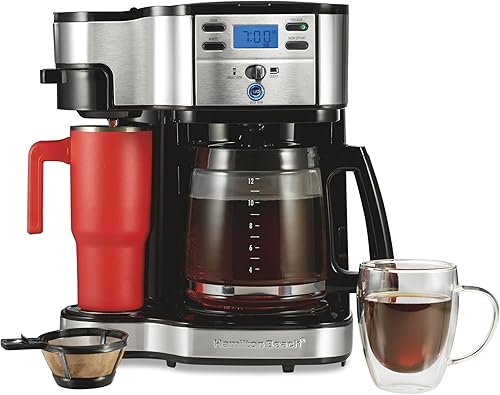
Hamilton Beach 2-Way Programmable Coffee Maker, Single Serve and 12-Cup Carafe, Black/Stainless Steel
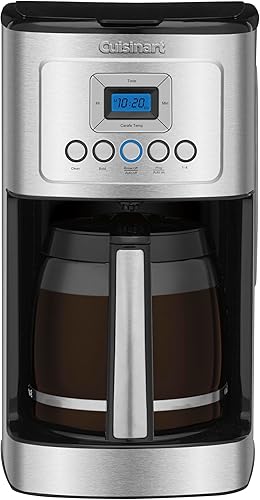
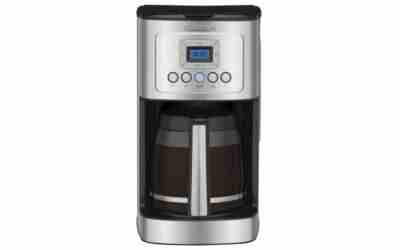
Cuisinart DCC-3200 14-Cup Programmable Coffee Maker, Stainless Steel, PerfecTemp with Brew Strength Control and Gold-Tone Filter
As an Amazon Associate we earn from qualifying purchases. Product prices and availability are accurate as of the date/time indicated.
Frequently Asked Questions
Is a used Keurig-style pod machine worth buying?
Rarely. The needle, pump and tubing can’t be fully cleaned or inspected. Buy one only if the seller lets you test it, it brews hot and fast after a descale, and the price is at or below half of a new equivalent.
Can I get sick from a moldy coffee maker?
Mold and bacteria can grow in damp reservoirs, and most healthy people notice it first as bad taste or smell. People with mold allergies or weakened immune systems should avoid any used machine and buy new.
Is a used espresso machine worth it?
Only a simple one with documented upkeep, such as descaling records and replaced gaskets. Skip models with milk systems and unknown history, because hidden lines hold residue and repairs can cost more than you save.
Can I buy a used coffee maker online without seeing it?
Only with a clear return window. Smell, leaks and heating are the main tests, and you can’t judge them from photos. Without returns, pay no more than half the new price or pass.
{“@context”: “https://schema.org”, “@type”: “FAQPage”, “mainEntity”: [{“@type”: “Question”, “name”: “Is a used Keurig-style pod machine worth buying?”, “acceptedAnswer”: {“@type”: “Answer”, “text”: “Rarely. The needle, pump and tubing can’t be fully cleaned or inspected. Buy one only if the seller lets you test it, it brews hot and fast after a descale, and the price is at or below half of a new equivalent.”}}, {“@type”: “Question”, “name”: “Can I get sick from a moldy coffee maker?”, “acceptedAnswer”: {“@type”: “Answer”, “text”: “Mold and bacteria can grow in damp reservoirs, and most healthy people notice it first as bad taste or smell. People with mold allergies or weakened immune systems should avoid any used machine and buy new.”}}, {“@type”: “Question”, “name”: “Is a used espresso machine worth it?”, “acceptedAnswer”: {“@type”: “Answer”, “text”: “Only a simple one with documented upkeep, such as descaling records and replaced gaskets. Skip models with milk systems and unknown history, because hidden lines hold residue and repairs can cost more than you save.”}}, {“@type”: “Question”, “name”: “Can I buy a used coffee maker online without seeing it?”, “acceptedAnswer”: {“@type”: “Answer”, “text”: “Only with a clear return window. Smell, leaks and heating are the main tests, and you can’t judge them from photos. Without returns, pay no more than half the new price or pass.”}}]}